
By Amit Sarkar from Rajshahi
In urban life, plastic is no longer a luxury rather it is an unavoidable part of daily living. Water bottles, oil containers, soft drink bottles and countless plastic products, once used, quickly turn into waste. For years, in many slum areas of Rajshahi city, these discarded plastics clogged drains and canals, causing waterlogging, foul smells, and serious health risks. Today, however, that same plastic is quietly being transformed into a tool for environmental protection and positive change in people’s lives.
In slums such as Budhpara, Jamalpur, Namovodra, Srirampur, Hetemkhan, Baharampur and Chotobangram, a new initiative has taken root with the active and effective facilitation of BARCIK in Rajshahi. Through regular meetings, courtyard discussions, and motivational sessions, urban poor are learning how to cut and reuse old plastic bottles, broken buckets, and other discarded plastic items to grow vegetables and plants. This initiative is ensuring the reuse of plastic waste and turning the idea of urban agriculture into a living reality at the slum level.
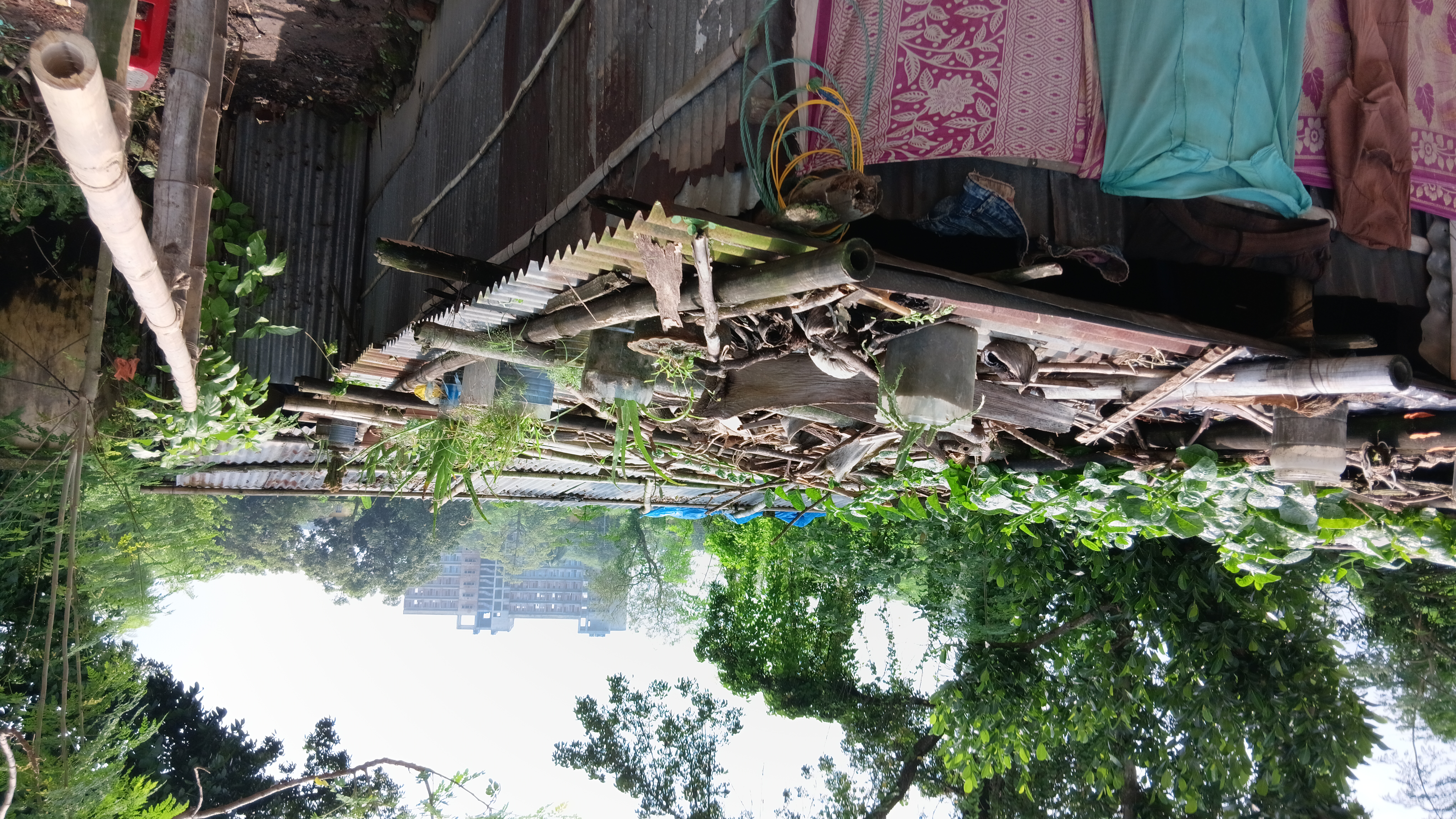
What was once rubbish has now become a container for mini gardens. Plastic bottles and containers filled with soil and plants are hung from walls, rooftops, and open corners of homes. These small gardens bring a touch of green into densely packed living spaces and even help to reduce excess dampness inside houses. In areas where space is severely limited, hanging and vertical gardens have emerged as an effective and practical solution.
Before this initiative, many urban poor in the slum, area were dotted with piles of plastic waste in unused, filthy corners. Today, those same spaces are alive with bottle-grown gourds, cucumbers, chilies, eggplants, coriander, Malabar spinach, and ornamental plants. Barren areas have become productive, greenery has returned, and both plastic pollution and waste accumulation have visibly declined.
Mohammad Humayun, a resident of Jamalpur slum, recalls how plastic bottles once lay scattered in drains, causing water to stagnate during the rainy season. He said, “Now we cut those bottles and plant vegetables in them. I don’t own any cultivable land. Because of lack of space, I keep the plants on my roof. Still, I get vegetables from there. That feels like a big achievement.”
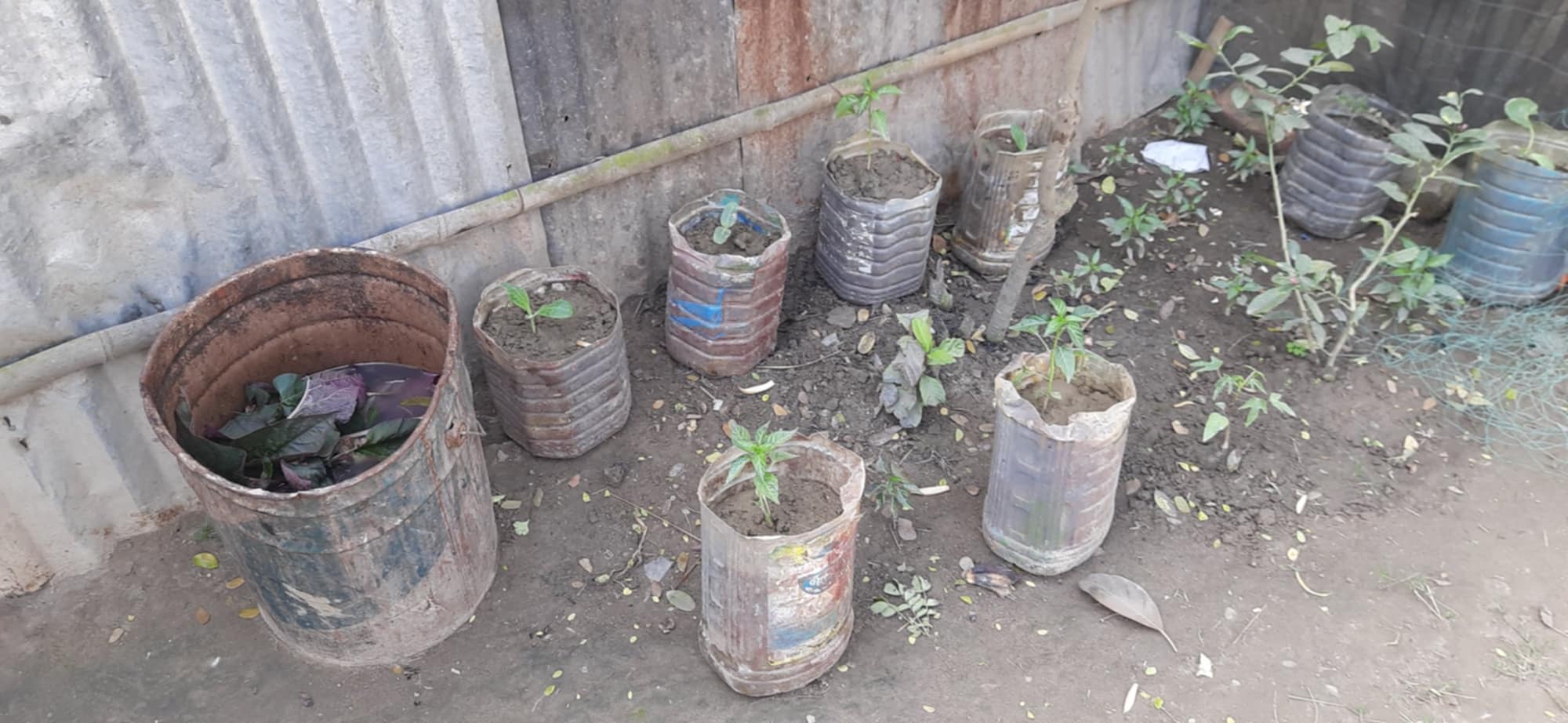
In Budhpara slum, Omar Ali admits he never imagined that farming was possible in such a small space. After participating in a BARCIK meeting, he cut a five-liter water bottle and planted a chili sapling. When the plant bore fruit, his confidence grew. Today, he collects discarded plastic jars from different places and fills them with plants. His home now has chilies, basil, eggplant, tomatoes, aloe vera, and various flowering plants. He has even started raising seedlings of gourd, chili, and papaya, earning a small but meaningful income.
For Latifa Begum, a housewife from the same slum, the garden is both a passion and a practical support for her family. She said, “I buy fewer vegetables from the market now. “I made a bamboo frame beside my house and planted vegetables in plastic containers. The place was not suitable for cultivation, yet this method works.”
In Baharampur slum, Mala Khatun lives in a small shack beside the railway line. The ground around her home is filled with bricks, stones, and metal scraps, making traditional cultivation impossible. Using broken buckets she collected, she planted chilies and Malabar spinach and now harvests vegetables regularly. Mala Khatun said, “After seeing this, people around me are getting interested. They want to start doing it too.”
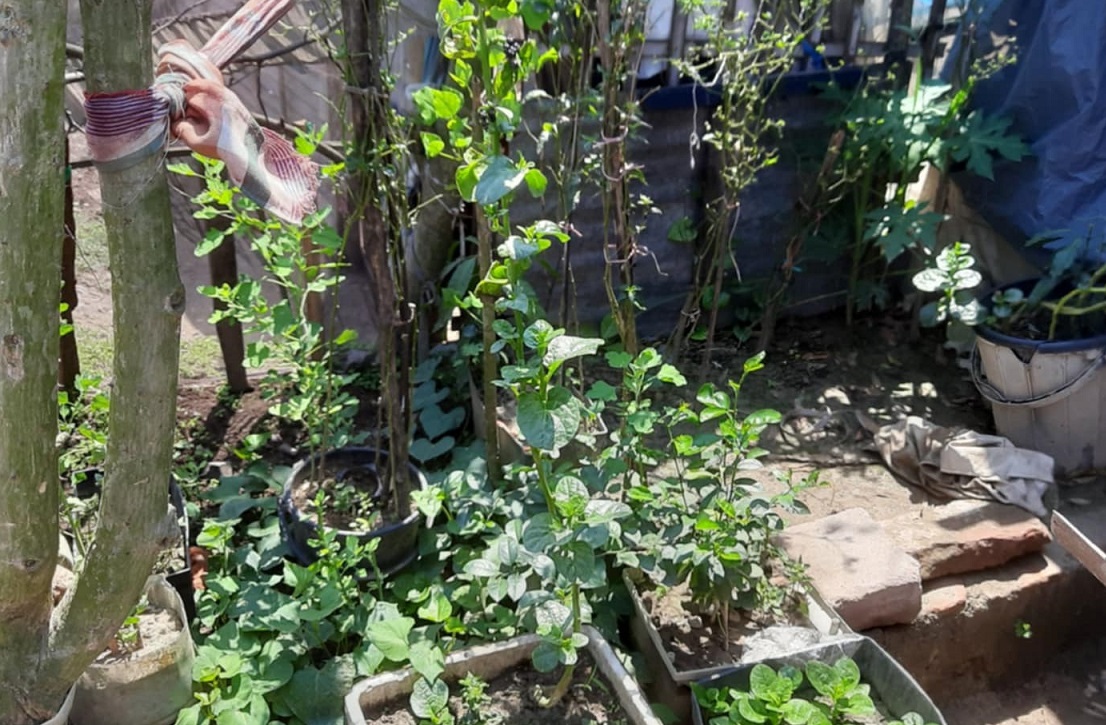
This initiative shows that when discarded plastic is used creatively, it does reduce pollution and contributes to food production and improves people’s livelihoods. Growing vegetables in plastic bottles, slum residents is protecting the environment, strengthening food security, and in some cases creating new income opportunities.
If expanded further, this model could significantly reduce plastic pollution while opening new possibilities for landless and low-income urban communities. Urban agriculture like this can play a vital role in ensuring food security, generating extra income, and building resilience against climate change. The greenery growing in plastic bottles is more than just plants rather it is a symbol of change in Rajshahi’s slums, proving that awareness and creativity can bring meaningful transformation to both people’s lives and the urban environment.