
By Al-Mamun from Shyamnagar, Satkhira
Basanti Rani Mondal, a 35-year-old farmer from Dhumghat Terkatirchak village in Shyamnagar, Satkhira, has transformed her small homestead into a successful organic farming model. A few years ago, her five-member family depended on only 20 decimals of land and struggled with rising production costs, declining soil fertility, and food insecurity under chemical-based farming.
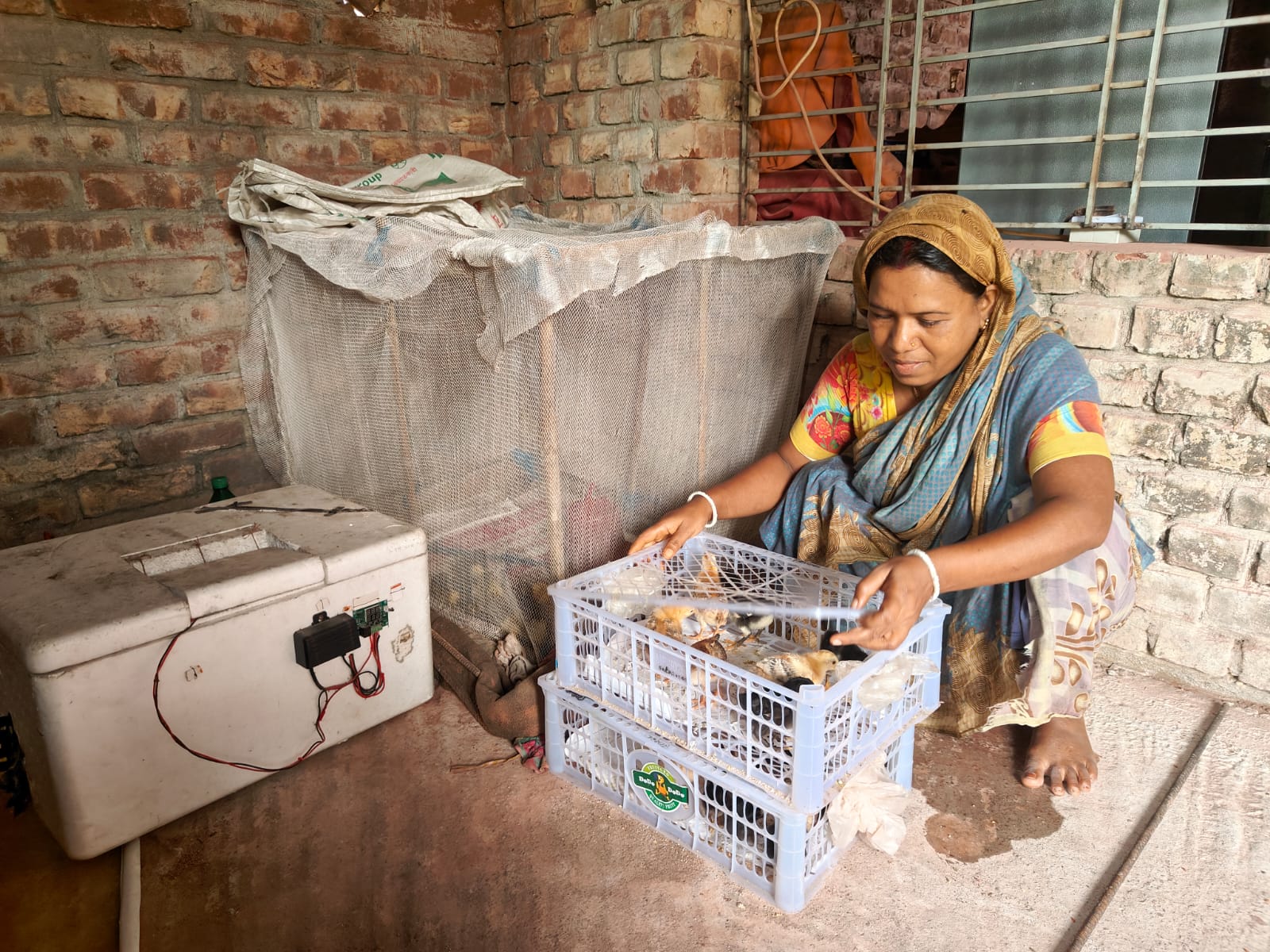
After joining BARCIK in 2024, she received training on agroecology, vermicomposting, indigenous seed conservation, year-round vegetable cultivation, mulching, water conservation, and integrated farming. Today, her homestead produces around 23 varieties of vegetables, 13 fruit species, indigenous fish, cattle, ducks, and chickens, ensuring year-round nutritious food for her family.
She conserves indigenous seeds, reducing dependence on commercial seed markets while protecting local biodiversity. Organic compost has lowered production costs, improved soil fertility, and enabled the family to consume safe, chemical-free food.
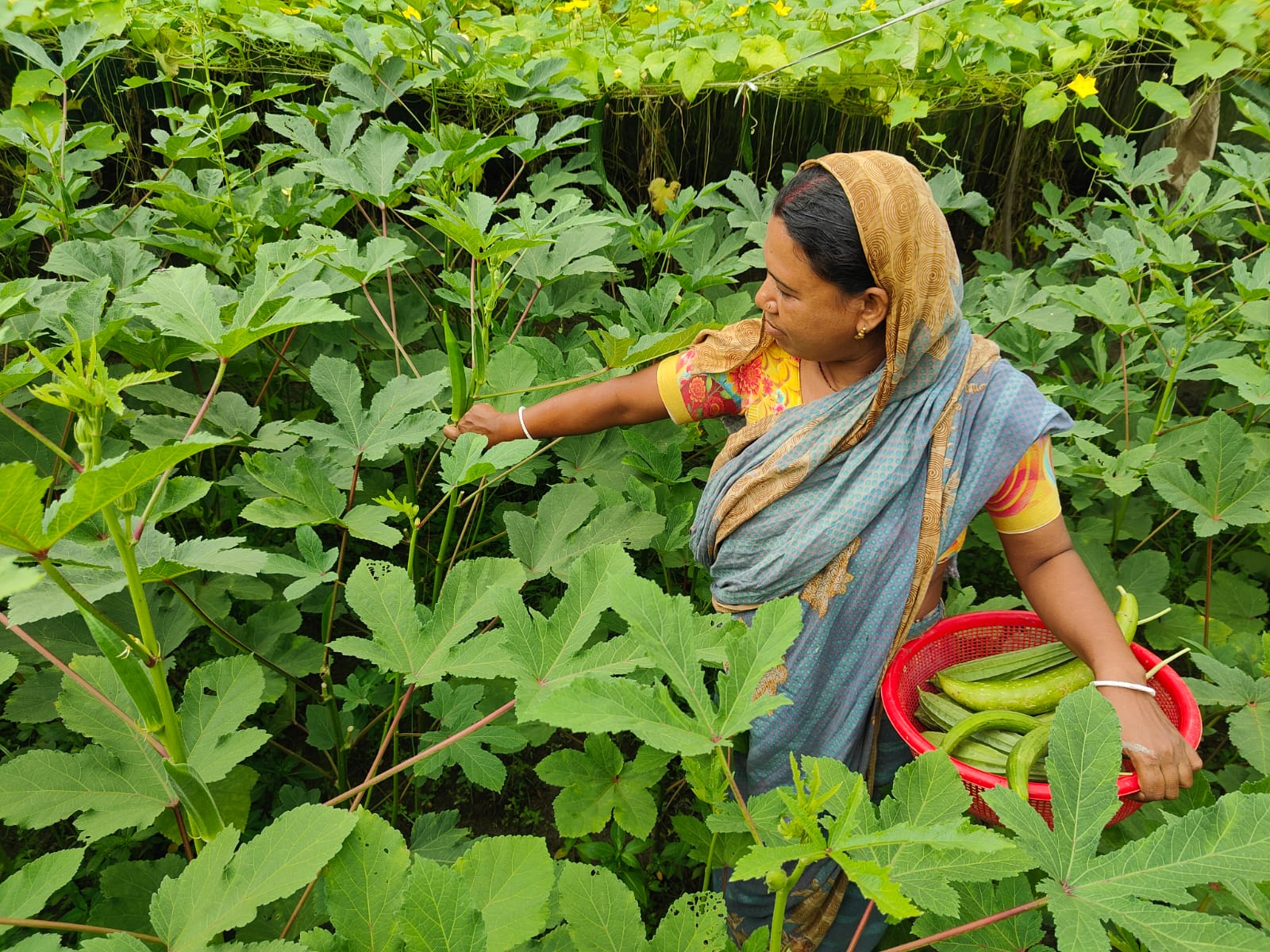
Basanti now earns about BDT 36,000 annually from vegetables, BDT 20,000 from poultry, BDT 6,000 from fish, monthly income from egg sales, and additional seasonal income from cucumber cultivation. The increased income has enabled her family to lease farmland, build a new house, and purchase a motorcycle.
Beyond economic success, Basanti has become a respected community resource person. Local farmers regularly seek her advice on organic farming and indigenous seed conservation. Her journey demonstrates how agroecology, combined with training and technical support, can improve livelihoods, strengthen food and nutrition security, conserve biodiversity, and empower rural women in Bangladesh’s climate-vulnerable coastal region.