
By Happy Roy from Netrakona
A rich source of fish, aquatic plants, irrigation water, and livelihoods once, the Behi Beel in Lakshiganj Union of Netrakona is rapidly disappearing due to encroachment, commercial fish farming, agrochemical pollution, and unplanned development.
Covering about 250 kathas of lands, the wetland was traditionally open to local communities. It supplied indigenous fish, edible aquatic plants, livestock fodder, and irrigation water, supporting the livelihoods of surrounding villages. Elderly communities recall abundant fish catches and vibrant biodiversity that sustained families throughout the year.
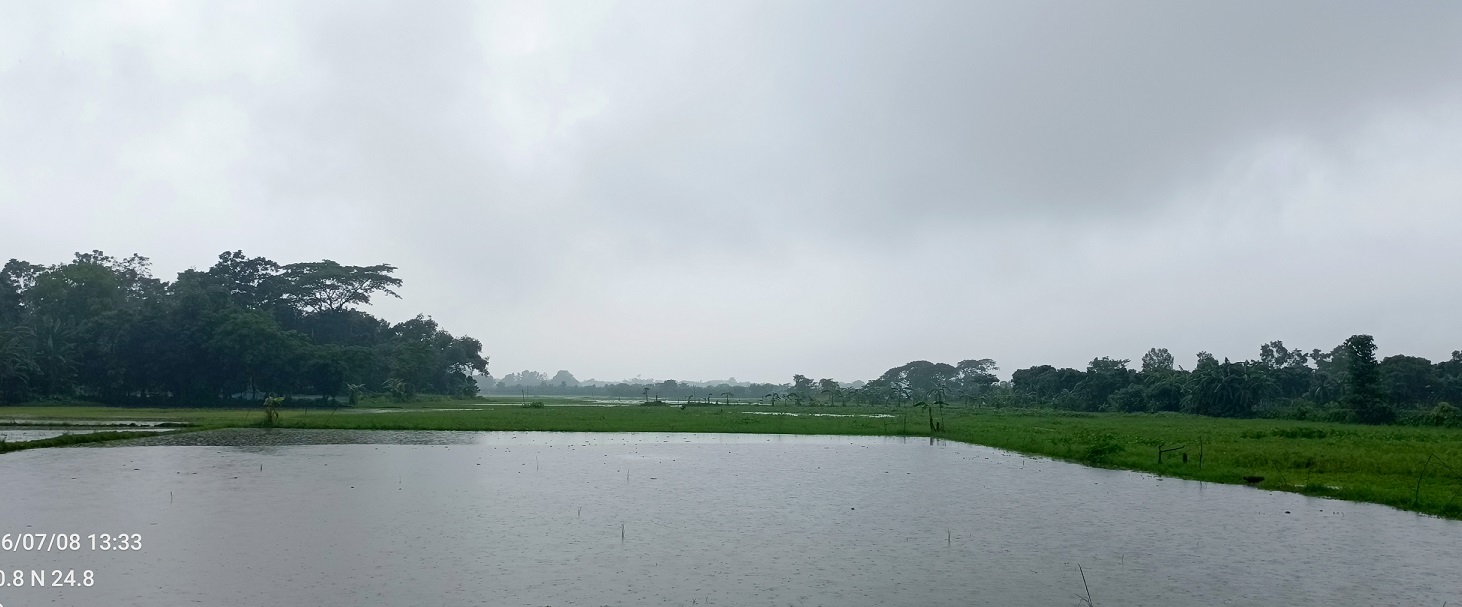
Over time, influential individuals occupied large sections of the beel by constructing embankments for commercial aquaculture. As access became restricted, fish populations declined, aquatic vegetation disappeared, and local people lost an important source of food and income. The increasing use of chemical fertilizers, pesticides, and fine-mesh nets has further degraded fish breeding habitats and accelerated biodiversity loss.
Community members say younger generations have never experienced the rich ecosystem that once existed. They stress that conserving wetlands is essential not only for biodiversity but also for food security, livelihoods, climate resilience, and water conservation.
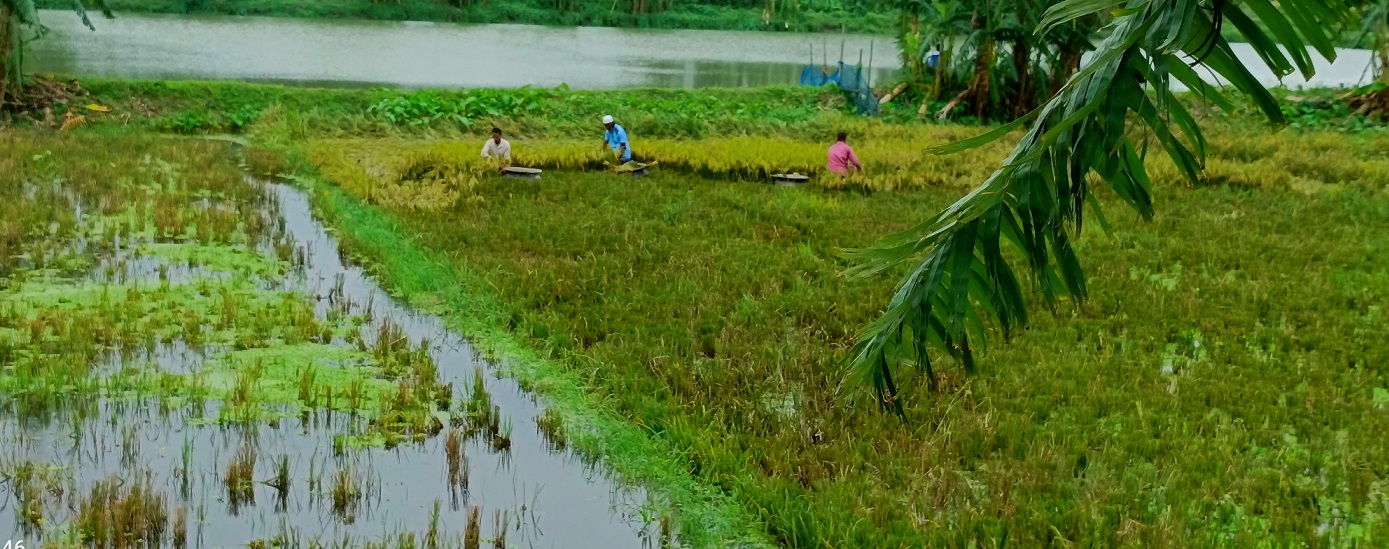
Local residents are calling for joint initiatives by communities and government authorities to restore and protect Behi Beel. They believe conserving natural wetlands through community-based management is critical for sustaining biodiversity and strengthening resilience in the face of climate change.
Information provided by Md. Kochimuddin, Kandapara and Md. Masud Mia, Chokpara