
By Biswajit Mondal, from Shyamnagar, Satkhira
Bangladesh’s coastal region is highly vulnerable to natural disasters. Climate change, salinity, and river erosion have made life and livelihoods increasingly fragile. In this context, planting environment-friendly and salt-tolerant trees is essential. The tamarind tree is one of the most suitable trees for coastal areas due to its ability to withstand salinity.
Almost every household in coastal villages has at least one tamarind tree. Tamarind is widely known for its medicinal value and is used to treat ailments such as dysentery and high blood pressure. It is also fed to livestock in cases of poisoning and is commonly used in chutneys, pickles, sauces, salads, and various traditional foods. Tamarind aids digestion and adds flavor to many dishes.
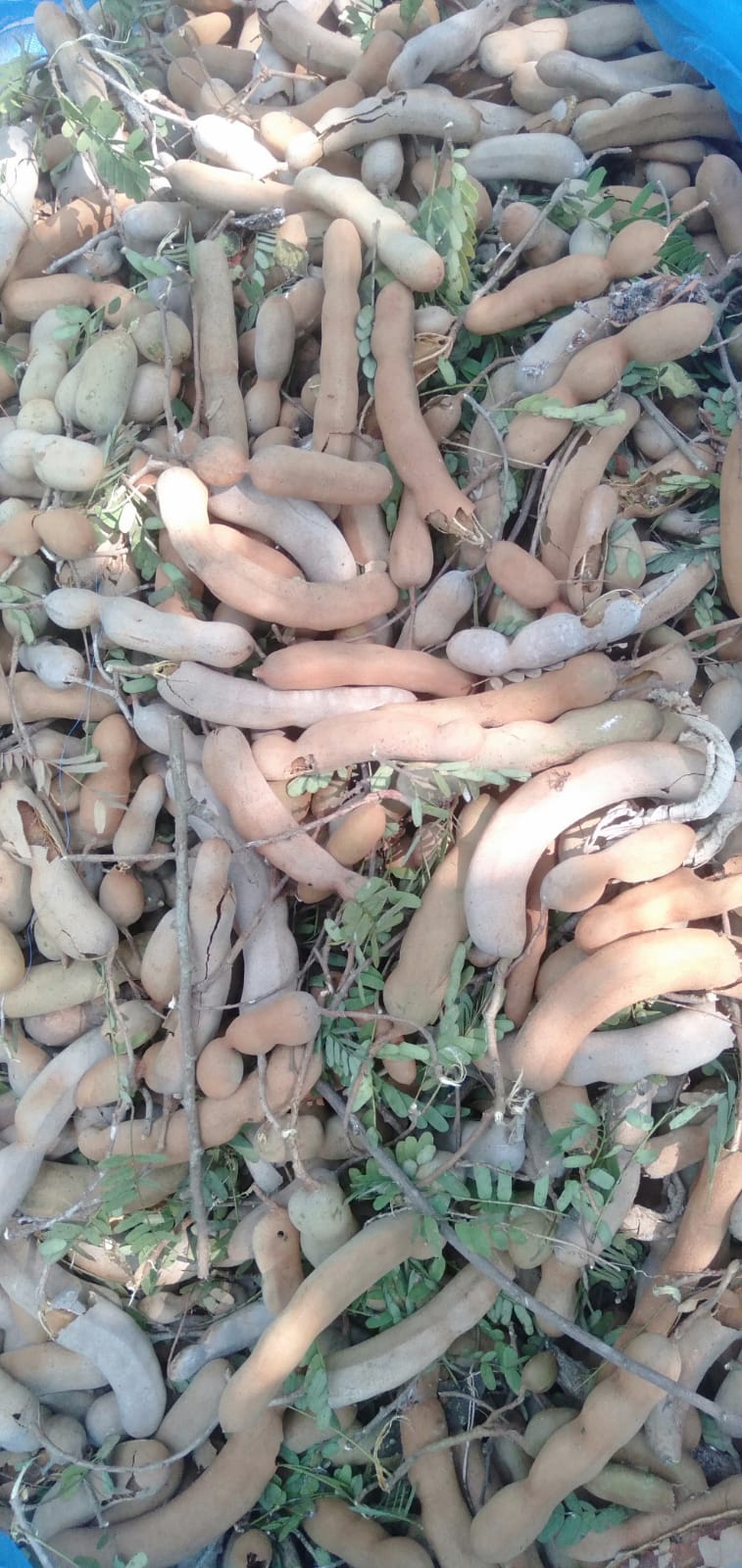
Since tamarind is seasonal, preserving ripe tamarind ensures year-round availability. Proper preservation helps to retain its quality for a long time. Similar preservation methods are also used for fruits like keora, jujube (kul), and chalta.
In West Jelekhali village of Munshiganj union under Shyamnagar upazila, farmer Sita Rani Majhi (64) has been preserving ripe tamarind as dry food for over two decades. She learned the technique from her mother and mother-in-law and has been practicing it for 20–25 years. Some of her preserved tamarind has lasted up to 10 years.
According to her, tamarind trees flower during Chaitra–Boishakh, and fruits are harvested the following year in Magh–Falgun. Ripe pods turn whitish and fall when the branches are shaken. After collection, the shells are removed, and the tamarind is sun-dried for 3–4 days. The seeds are then separated, and a small amount of salt, sometimes with turmeric to prevent insects is mixed in. The tamarind is stored in earthen pots, glass jars, or plastic containers.
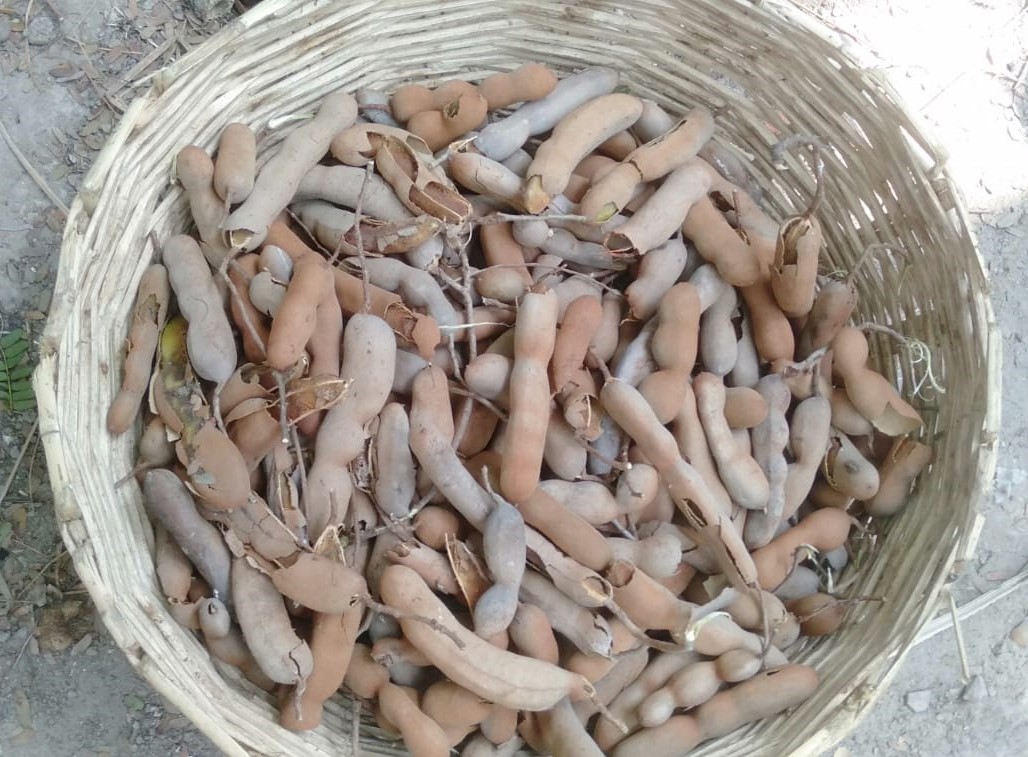
She explains that properly preserved tamarind can last 10–15 years, especially when preserved in earthen containers. Occasional sun-drying every few months helps to maintain quality. The main challenges include insect infestation, spoilage, and temperature changes, which can be controlled through proper drying, airtight storage, and regular monitoring.
She said, ‘There are some problems with preserving ripe tamarind, such as quick spoilage, insect attacks, and quality deterioration due to temperature changes. If not preserved properly, its taste and aroma can be lost. To solve these problems, tamarind must be dried thoroughly in sunlight and stored at an appropriate temperature, preferably in a cool place. Regular monitoring ensures long-term preservation.”
Tamarind trees are well-suited to coastal environments and require little investment, making them a profitable crop. Beyond their economic value, tamarind and its preservation play an important role in coastal livelihoods, traditional knowledge, and cultural practices. Men usually assist in harvesting, while women take the lead in preservation, highlighting the role of women in sustaining this age-old practice.