
By Bimal Chandra Roy from Manikgonj
The name “Mother Organization” (Ma Songothon) reflects the identity and it represents care, responsibility, and transformation. The word “mother” carries deep emotional meaning, symbolizing love, compassion, and the power to shape future generations. As Napoleon Bonaparte once said, “Give me an educated mother, and I will give you a developed nation.” Mothers are central to social change because they nurture values in their children.
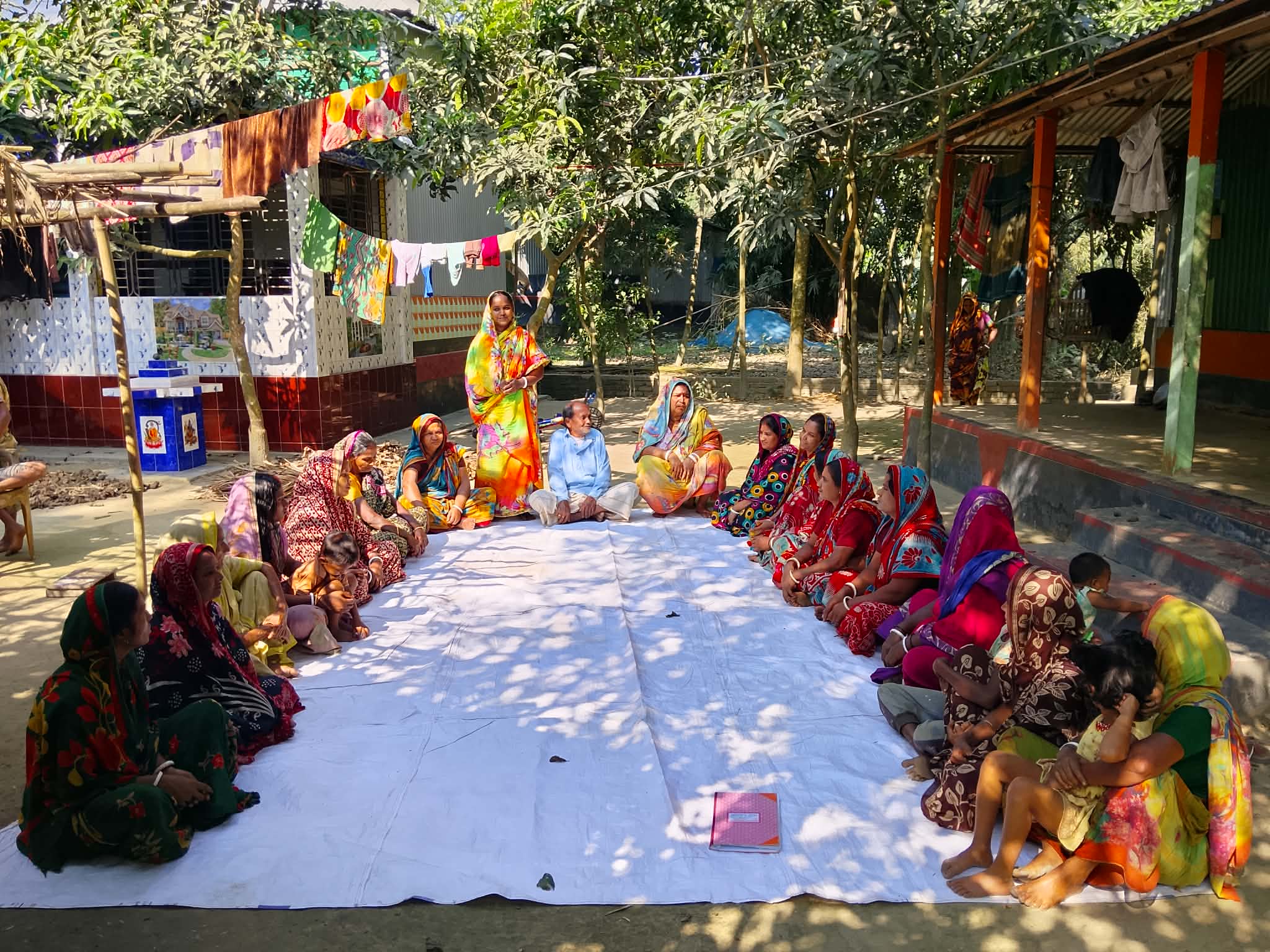
Marginalization exists in many forms such as economic, social, cultural, and even within families. Communities in villages like Ashtadona, Uchutia, and Mitra face long-standing discrimination based on caste and mindset. Many people, including the Monirishi and Bagdi (blacksmith) communities, live at the lowest levels of dignity and opportunity, often deprived of basic services and rights.
To address this, “Mother Organizations” were formed by engaging mothers of children involved in educational support programs with the facilitating supports from BARCIK. These groups raise awareness about rights, health, and livelihoods while empowering women to lead change in their communities.
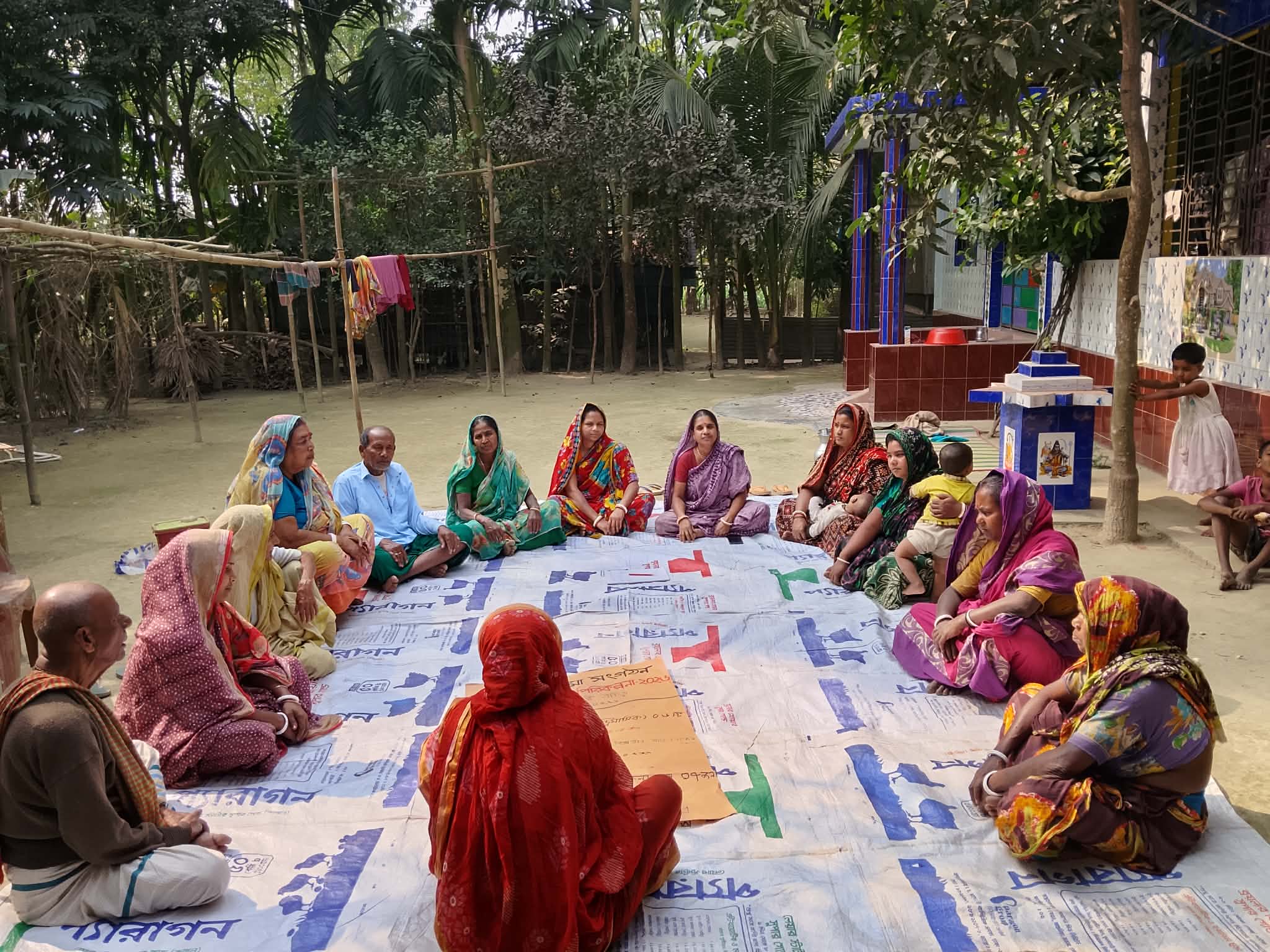
Through regular meetings and collective action, these women have improved their living conditions. They practice biodiversity based farming, grow seasonal vegetables, conserve local seeds, and produce vermicompost. Many rear livestock and engage in handicrafts, increasing both food security and income. Their efforts reduce dependency on markets and improve nutrition.
The mother organizations also contribute to promoting environmental protection through encouraging the members to plant trees and adopt eco-friendly practices. Women now actively access healthcare services and support each other during pregnancy and childbirth. They advocate for community needs, such as safe water and infrastructure.
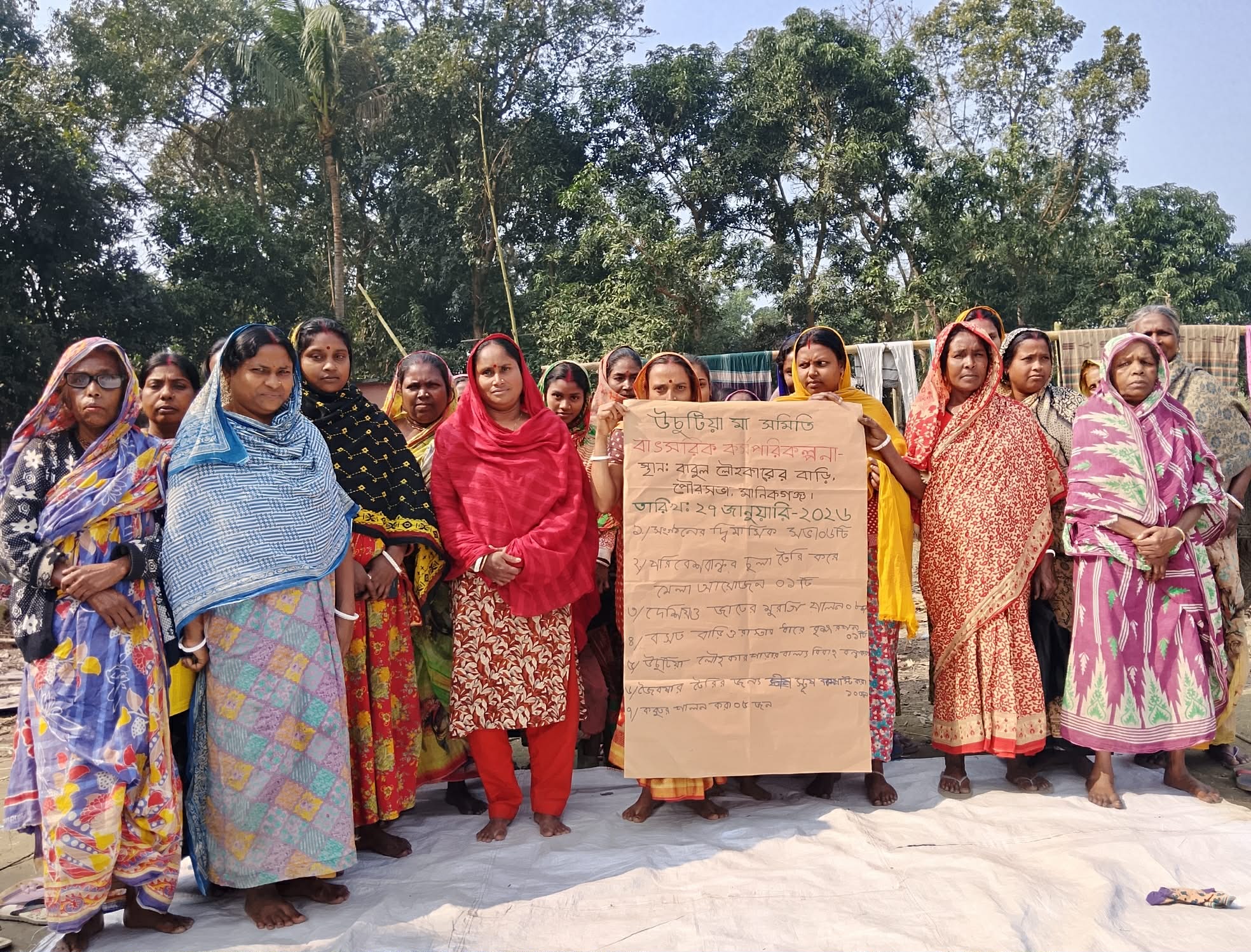
Importantly, the rise of mother organizations has contributed to reducing violence against women as well. Through the facilitation and encouragement of BARCIK the members of these organizations have contributed to reducing child marriage, promoting gender equality, and ensuring all children attend school. Some women have even started income-generating activities like tailoring.
Overall, these marginalized communities are gradually overcoming barriers building dignity, rights, and a more equitable future through the leadership of mothers.