
By Sattaranjan Saha from Harirampur, Manikganj
Manikganj district, crisscrossed by canals, wetlands, and rivers, is enriched each monsoon by layers of fertile silt deposited on its farmlands. For generations, farmers here have cultivated diverse crops, especially traditional varieties of rain-fed Aman rice, adapting cultivation to high, medium, and low lands.
Once, rural households conserved many varieties of rice, which were used to prepare seasonal foods such as rice, pitha, payesh, muri, khoi, and hotchpotch (khichuri) during the harvest festival of Nabanna and the winter months. In the face of increasing natural disasters, farmers emphasize that cultivating diverse crops and conserving seeds is essential for resilience and food security. Agroecological practices are helping to restore soil fertility and ensure food sources for biodiversity.
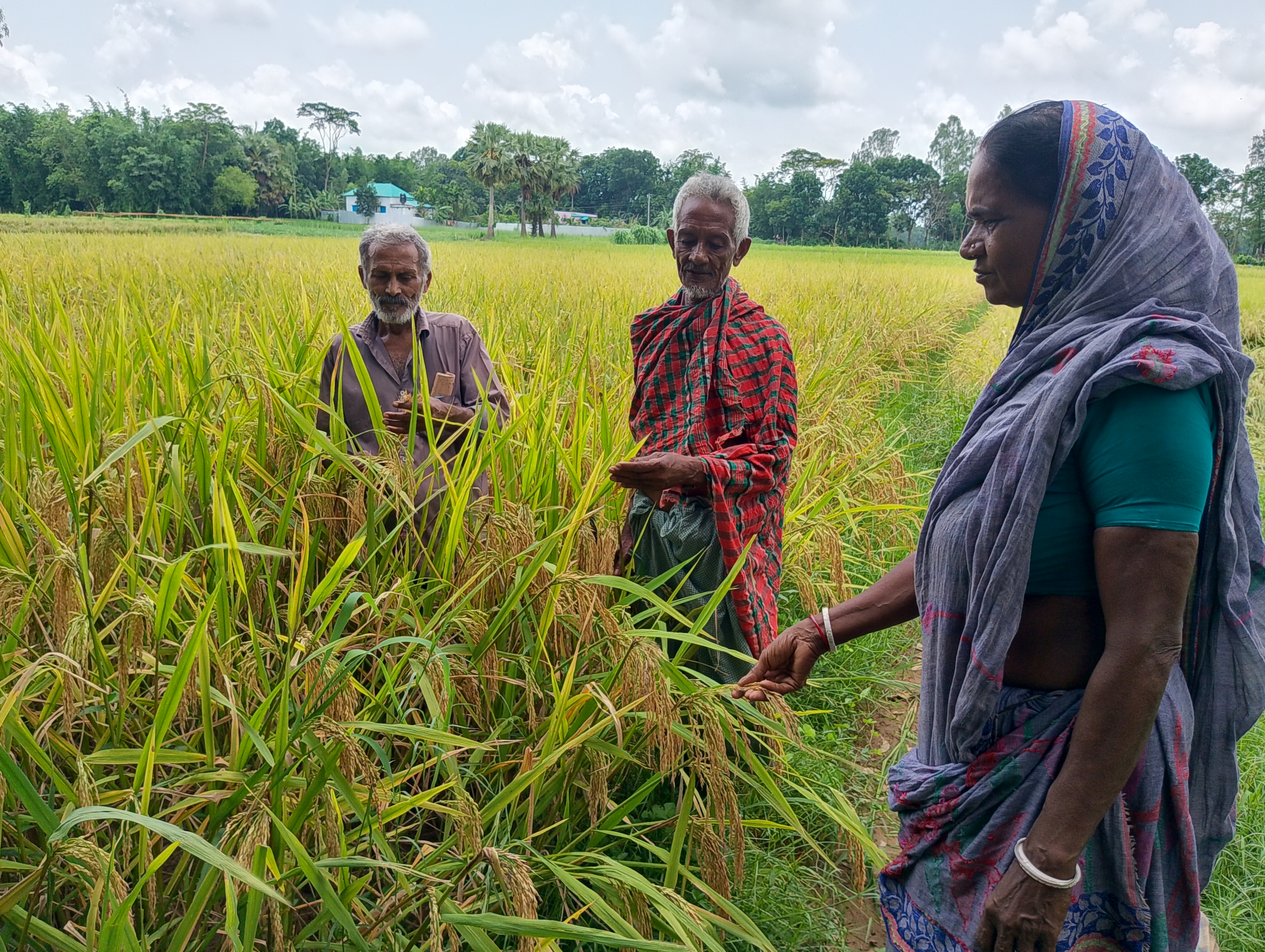
In Barundi village of Hatipara Union under Manikganj Sadar Upazila, BARCIK and the Barundi Farmers’ Organization are jointly implementing an organic, farmer-led applied rice research initiative. Through regular observation of research plots, farmers are identifying rice varieties that are productive, water-tolerant, drought-resilient, and disease-resistant.
Farmer-researcher Baidyanath Sarkar cultivated Gosai rice on 33 decimals of land using seeds from the research plot and harvested 22 maunds of paddy. Encouraged by good yields at low cost during the last Aman and Boro seasons, interest in Gosai rice is growing in the area. Ten farmers have already collected seeds and received guidance on cultivation using cow dung manure. Gosai rice produces around 400 grains per panicle, requires less water, and faces minimal pest attacks.
Baidyanath Sarkar said, “I am happy that I can save my own seeds and share quality rice with other farmers.”
Gosai Das Ray, a member of the Barundi Farmers’ Organization, said farmers from different villages in Manikganj are collecting Gosai rice seeds from the research plots. Through close observation in both Aman and Boro seasons, farmers selected Gosai rice as a locally suitable and high-yielding variety. The yield is about 25–30 kilograms per decimal, outperforming other popular rice varieties.
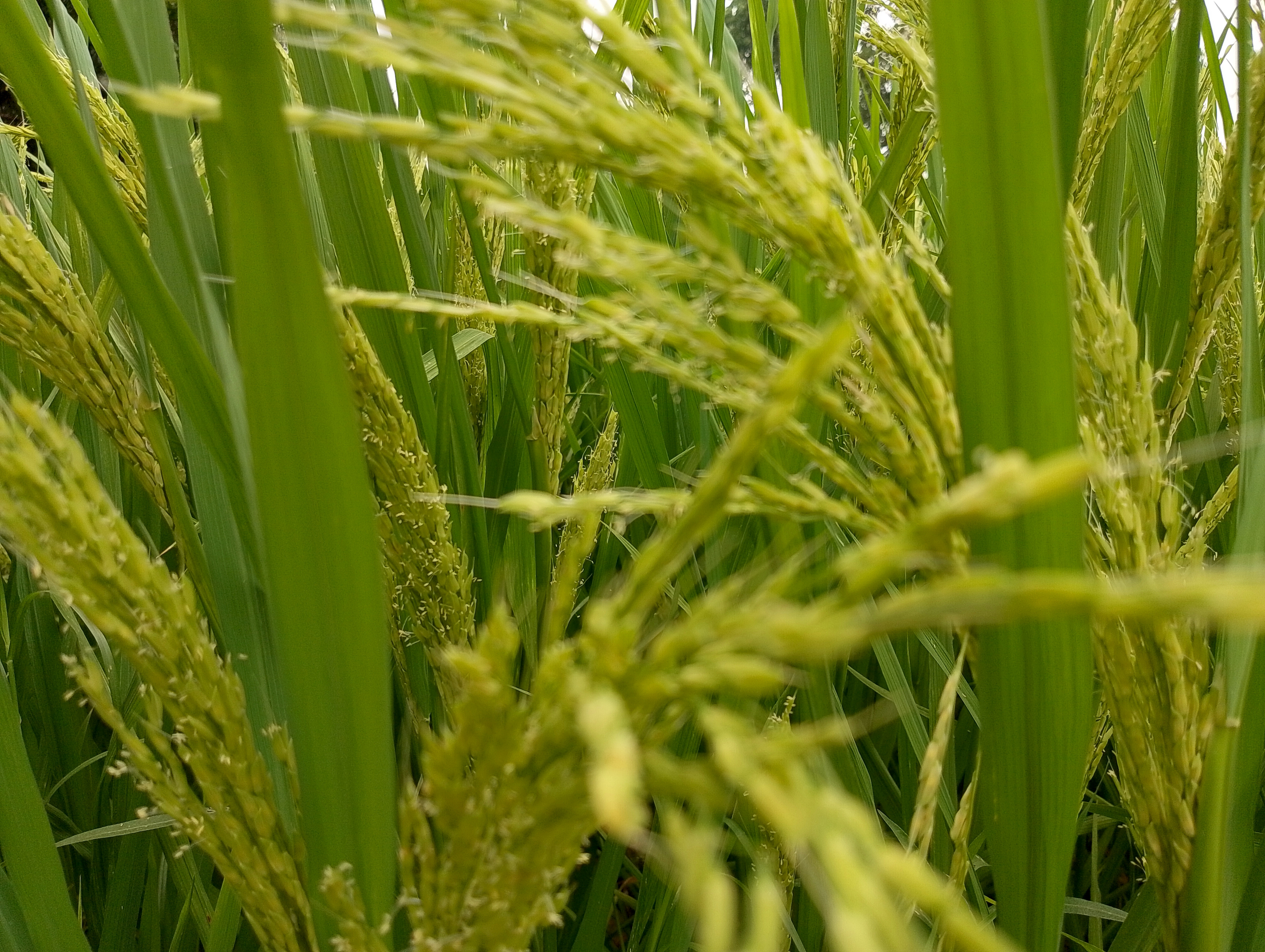
In 2025, 32 farmers in Manikganj cultivated Gosai rice at the field level. Farmers regularly exchange experiences and support one another, achieving higher yields without chemical inputs. Seed exchange at the community level is helping to conserve rice biodiversity.
Farmers mention that participatory research has increased their confidence, improved soil health, and expanded rice diversity in the fields. One key advantage of local rice varieties is their adaptability to both high and low water conditions, allowing farmers to cultivate without fear. Farmers can also easily conserve seeds for future seasons.