
By Biswajit Mondal, from Shyamnagar, Satkhira
Shrimp farming expanded rapidly in Bangladesh’s southwestern coastal region after the 1980s, with saline water brought in from nearby rivers. Over time, shrimp enclosures spread across districts and upazilas, including Shyamnagar in Satkhira.
In the early 1990s, shrimp farming began in Kaikhali and Shailkhali villages of Kaikhali Union using saline water through coastal sluice gates. Following this, rich outsiders leased land from marginal farmers at nominal rates and expanded shrimp cultivation. Saline water was deliberately allowed into neighboring paddy fields, damaging rice production and forcing farmers to lease out their land.
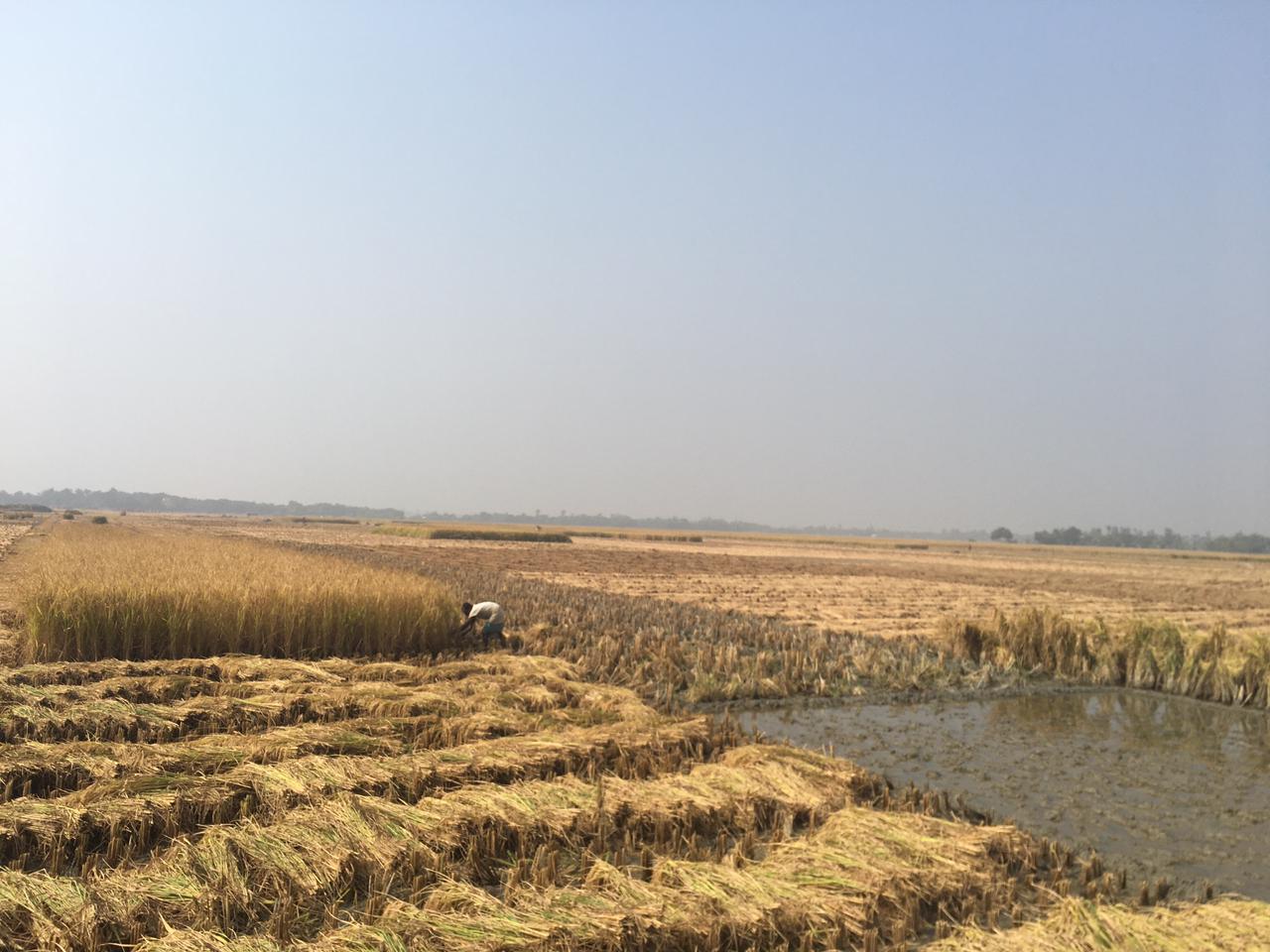
For nearly 32 years, shrimp farming dominated around 3,000–4,000 bighas of land in West Kaikhali village. However, by 2015, farmers began noticing declining fish yields and increasing diseases in shrimp enclosures. Shrimp operators also failed to pay lease fees regularly, sometimes withholding payments for years.
As a result, landowners reclaimed their fields and initiated rice cultivation. This created tension, with one group favoring rice farming and another preferring shrimp cultivation.
Farmers of Kaikhali village said that in 2019, members of the Kaikhali IPM Farmers’ Organization, along with local groups and communities, began advocating for an end to shrimp farming. With support from local government institutions, the Upazila Administration, the Agriculture Office, and the Water Development Board, they decided to stop saline water intrusion.
Initial rice cultivation in 2020 yielded poor results, but farmers continued their efforts. Gradually, soil salinity decreased, and from 2023–24 onwards, rice production in former shrimp enclosures improved significantly.
Farmer Habibur Rahman said, “ More than 2,000 bighas of shrimp farms in West Kaikhali have now been converted to rice fields. Farmers are currently cultivating two rice seasons along with crops such as watermelon, okra, maize, mustard, and various vegetables.”
He went on saying, “Earlier, we earned only Tk 8,000–10,000 per bigha per year from shrimp farming, and even that was uncertain. Now, by cultivating rice and vegetables, our annual income has increased to around Tk 25,000 per bigha.”He added that food shortages have declined, livestock rearing has increased, and both food and nutrition needs are being met locally.
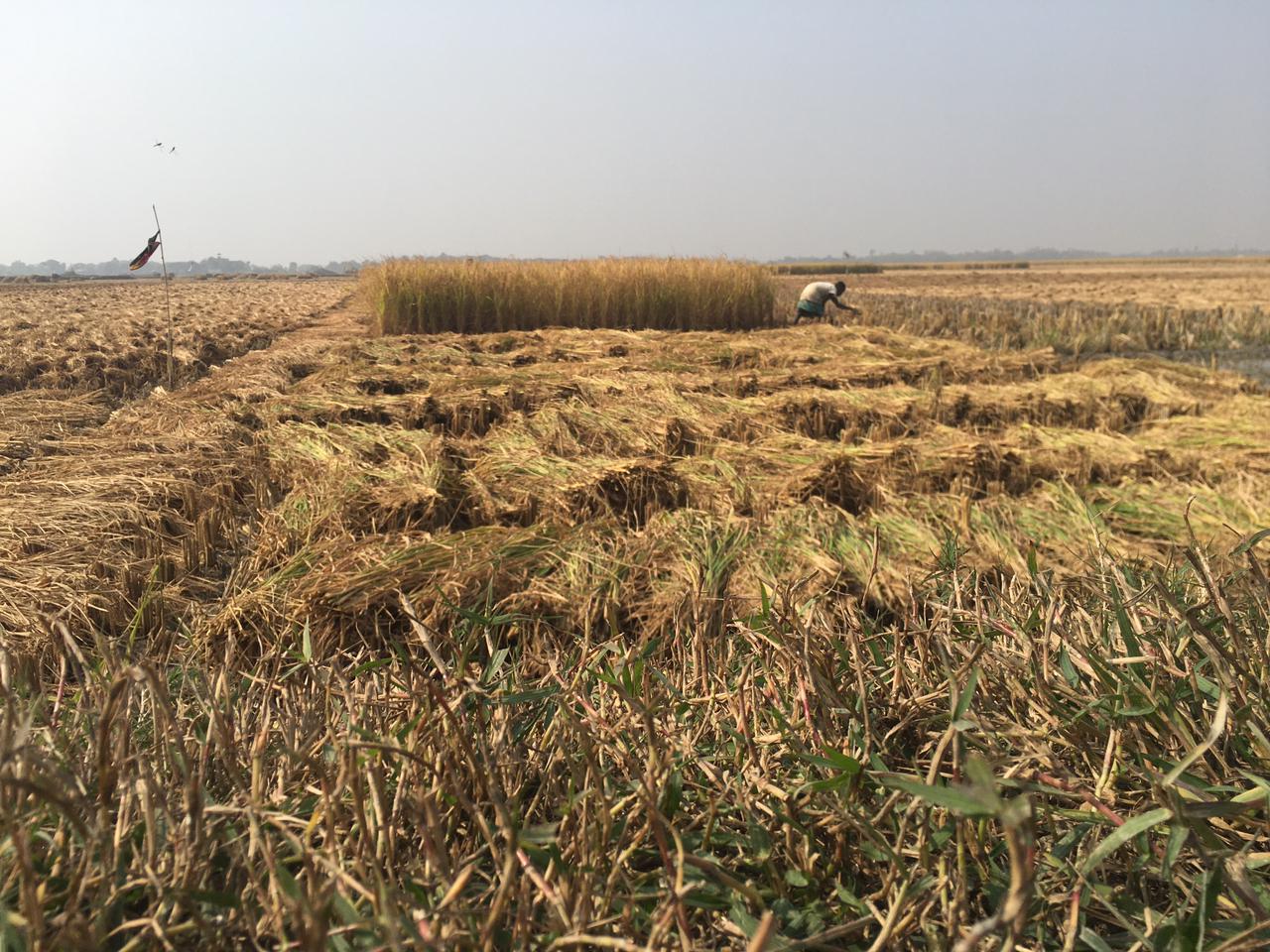
After 32 years, rice cultivation has returned to West Kaikhali village. Due to repeated losses in shrimp farming, many shrimp farmers are now shifting to rice cultivation. This year, rice plants are taller and panicles fuller, with production higher than in previous years. Previously uncultivable saline lands are now productive again, bringing positive changes to family livelihoods.
Since 2016, the Middle Kaikhali IPM Farmers’ Organization has been working with BARCIK to implement various development initiatives in the area.