
By Amreto Sarkar, from Rajshahi
For generations, the Barind Tract has been known as one of the most water-scarce regions of Bangladesh. Rainfall here is significantly lower than in other parts of the country. With worsening climate impacts and excessive extraction of groundwater, drought has become a recurring crisis. Water scarcity affects crop cultivation and access to safe drinking water for rural communities.
Yet this year brought a long-awaited blessing and that is rain. For the first time in over twenty years, farmers in the Barind region witnessed a true rain-fed Aman rice season, reviving memories of the region’s traditional monsoon-dependent agriculture.
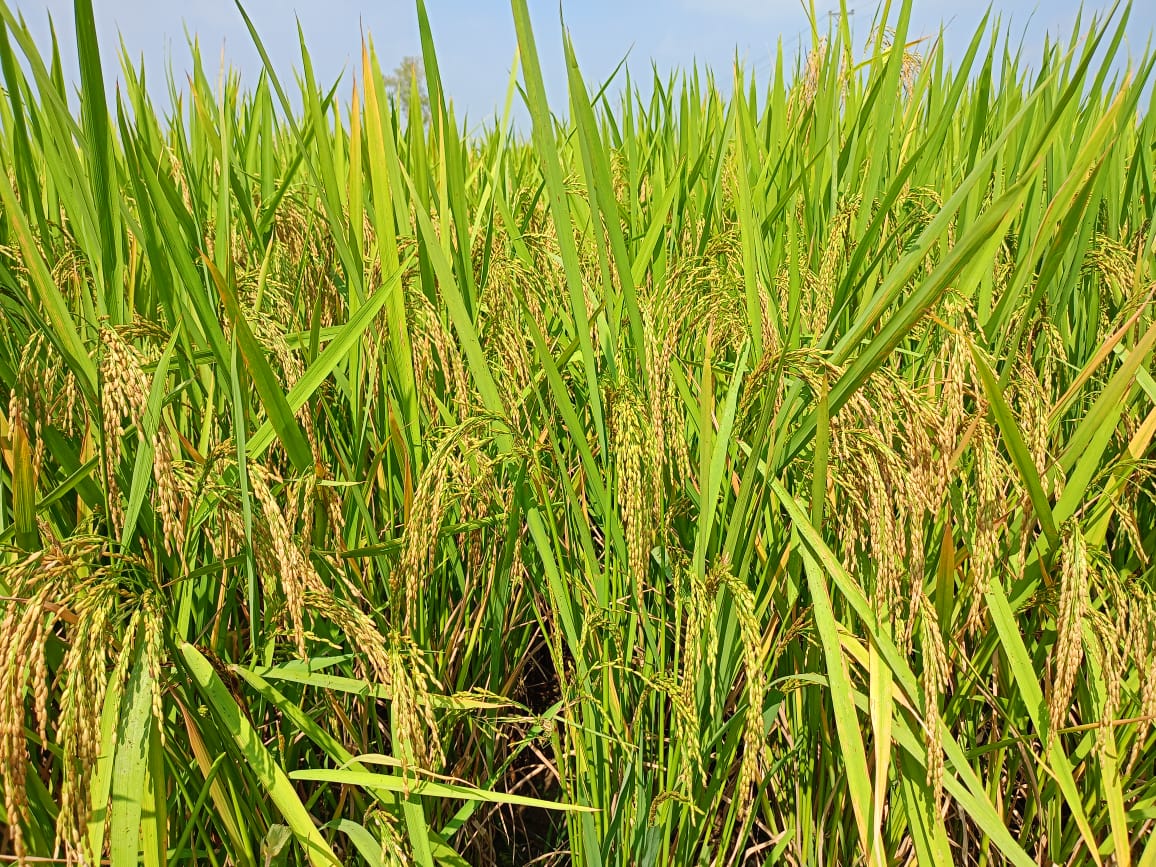
In Bangladesh, the monsoon months of Ashar and Shraban are usually marked by abundant rainfall which is crucial for transplanting Aman rice. But in the past two decades, the rains had become erratic. Farmers were forced to rely on irrigation from shallow and deep tube wells just to prepare seedbeds and transplant rice seedlings.
Md. Zaidur Rahman (56), President of the Barind Farmers’ Seed Bank in Duboil village of Tanore upazila shared the past experiences saying, “For the last three to four years, we had to irrigate just to prepare the seedbeds for Aman. In 2022–23, we even offered Salat al-Istisqa, prayers for rain, because we couldn’t start planting due to the prolonged dry spell.”
For years, farmers managed to transplant rice only with limited rainfall but when the plants reached their flowering stage, drought struck again, forcing them to irrigate repeatedly.
Mahabur (50), a farmer from Jhinapara village in Rajshahi’s drought-prone Tanore upazila, said in this regard, “In those years, I had to spend about Tk 2,500–3,000 per bigha just for irrigation. It was an extra burden, especially for farmers like us who were used to relying only on rainwater.”
Highland crops often withered and died due to lack of water. Another farmer, Naim Hossain (36), said, “We had to use our household submersible pumps to water the fields, even though groundwater was depleting fast. We had no choice but to save the crop meant survival.”
Women too felt the strain. Monika Tudu (48) from Mahalipara village said, “As rainfall declined year after year, we had to depend on BMDA deep tube wells for drinking water. Even that came at a cost.”
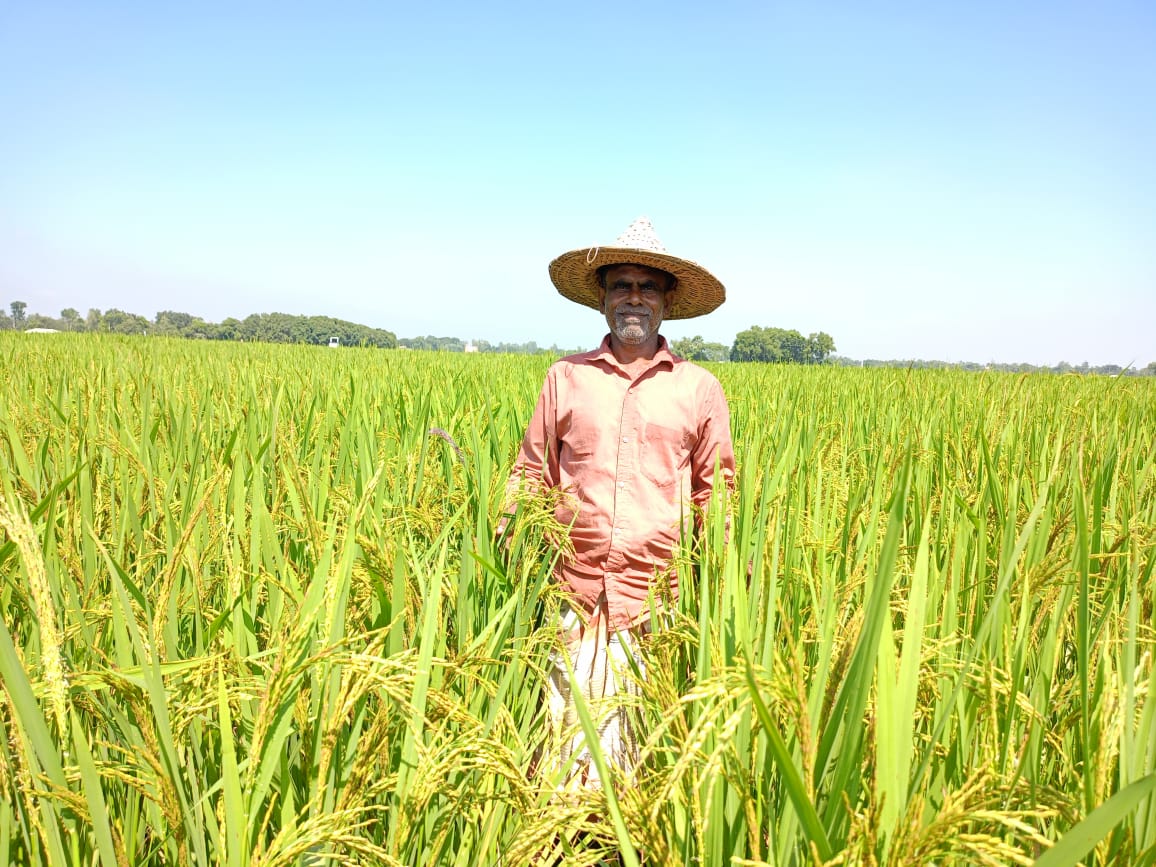
The 2025 monsoon season changed everything. From early Ashar, steady rains returned to the Barind. Farmers ploughed their land on time, prepared seedbeds, and transplanted rice seedlings without any irrigation. In many areas, rainfall was so abundant that lowland fields stayed submerged for a day or two but the water receded without harming the crops. Even lands previously left uncultivated for lack of water such as those in Telopara, Jhinapara, Jumarpra, Jagadishpur, and Aira, were fully cultivated this season.
Selim Hossain (40) of Jhinapara shared his joy saying, “For the last few years, I couldn’t cultivate my three bighas of highland. When I did, the crops dried up halfway. But this year, I could cultivate all of it without any irrigation.”
Another farmer, Mohiuddin (60) said, “My rice is almost ready for harvest. In previous years, I had to spend huge amount of cash for irrigation. This year, I saved a handsome of money, actually everyone has saved.”
For Barind’s farmers, this year’s rain is nothing short of a miracle. Timely rainfall revived traditional rice farming and reduced dependency on groundwater, allowing aquifers to naturally recharge.
The rain-fed Aman of 2025 will be remembered as a symbol of hope which is a reminder that nature’s balance, once restored, brings life back to the land.