
By Asia Akter fom Manikganj
The palm tree stands tall on a single trunk, rising above many other trees just as described in poetry. This tree is truly remarkable for its many benefits. Its fruit, juice, molasses, leaves, and fiber are all useful. During extreme heat, when people suffer from vomiting, fever, or dehydration, consuming preserved palm juice for a few days can help recovery. Palm trees are also planted along roadsides to prevent soil erosion. Farmers plant them near fields so they can rest under shade while working.
Areas with palm trees tend to experience fewer lightning strikes. The tree also supports livelihoods especially those who produce palm products. Many families earn income by selling palm leaves, fans, and related goods, particularly during summer. In rural households, women prepare traditional foods like palm cakes and sweets. Dry leaves are used as fuel. Given its many benefits, the palm tree deserves proper care and value.
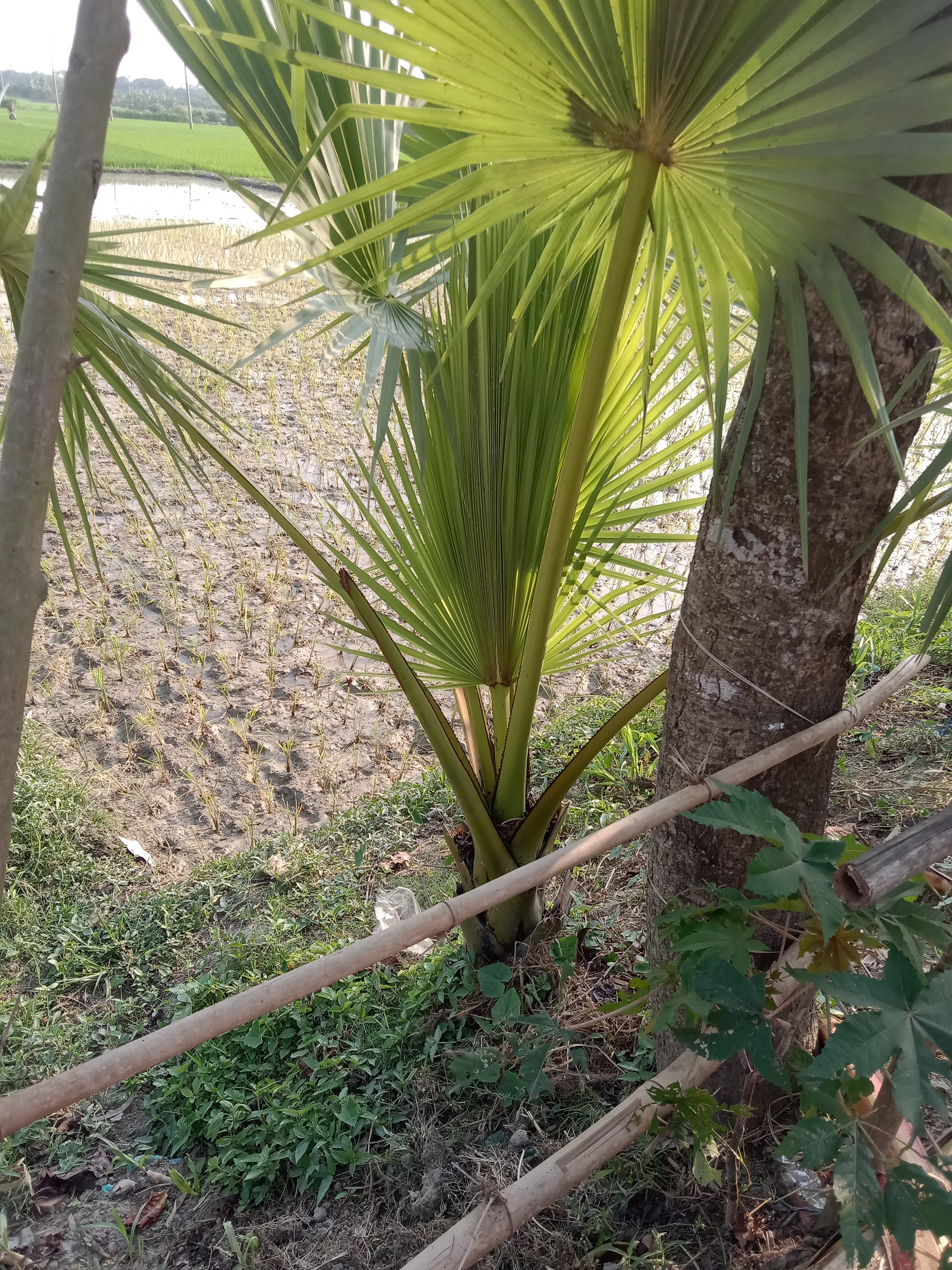
Recognizing this, a group of women and adolescent girls have taken the initiative to plant palm trees along roadsides. In Baira Union of Singair Upazila, Manikganj, a group of motivated women formed an organization called Aalinagar Women Development Organization with support from development partners. They work on preventing child marriage, addressing violence against women, promoting safe vegetable production, and tackling climate change impacts.
As part of climate action, in 2020 they planted numerous palm seeds along roadsides. Today, many of these have grown into young trees. The organization’s president, Fuljan Begum, said, “When these palm trees grow, they will look beautiful. Children will enjoy the juice, and we will benefit greatly. A small glass of juice costs 20 taka now because trees are scarce. When more trees grow, prices will decrease, and birds will return.”
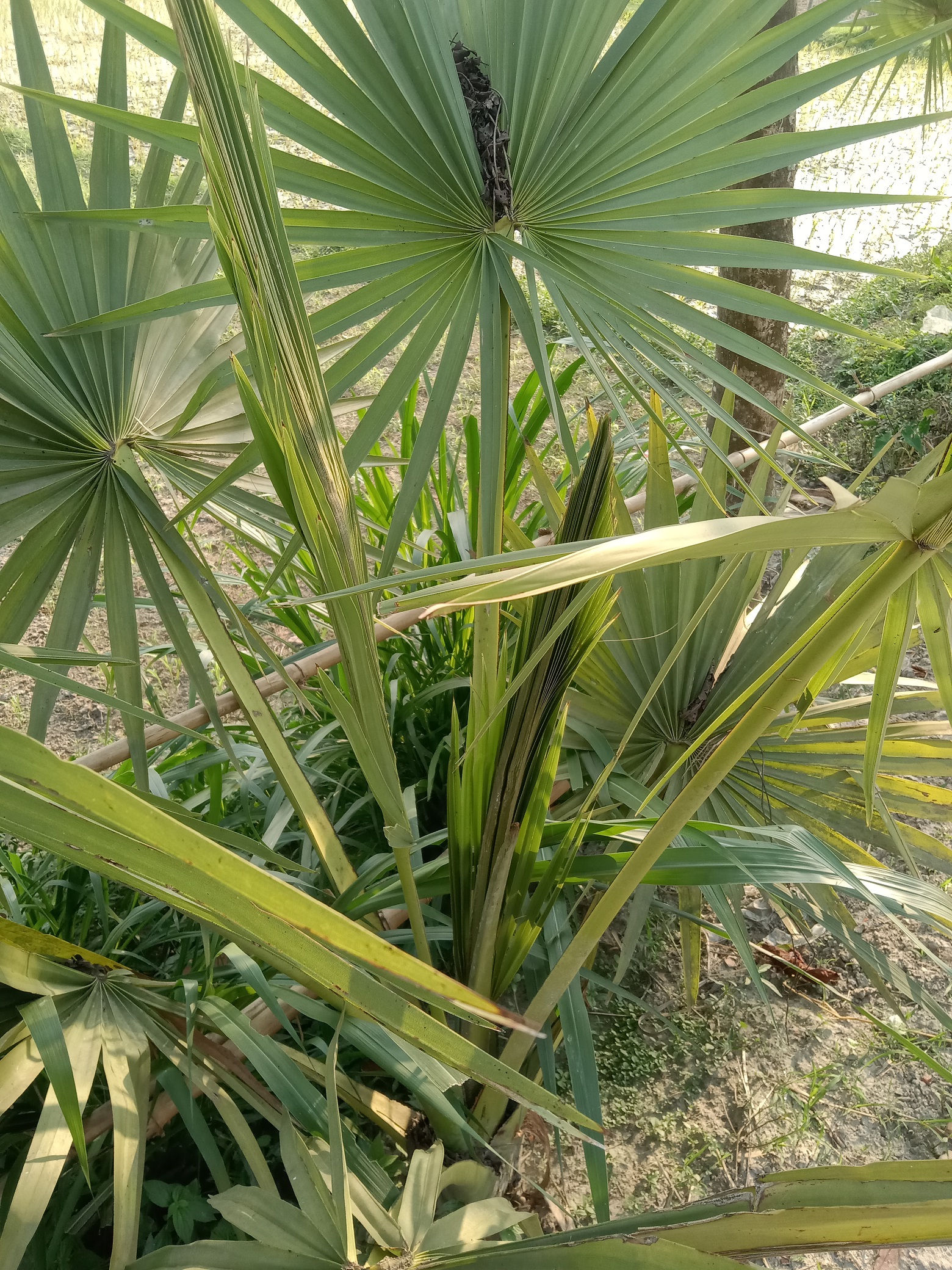
Members maintain the trees collectively, hoping they will enhance both livelihoods and the beauty of their village. Another member, Nurjahan Begum said, “Trees are our essential companions. Palm leaves don’t fall easily like other trees, so they can be planted even near farmland. We should plant trees wherever possible.”