
By Tohura Khatun Lily, from Rajshahi
A comparative study of five households in Budhpara and Namovodra Railway Slums in Rajshahi demonstrates that household vegetable gardening significantly improves food security, nutrition, income, and urban greening while strengthening resilience to climate change.
The study compared two families actively engaged in vegetable cultivation with three families that do not grow vegetables. The gardening households, supported by BARCIK, adopted trellis-based vegetable cultivation, indigenous seed conservation, and environmentally friendly farming methods. Their home gardens meet much of their household vegetable demand, reduce food expenses, and, in some cases, generate additional income through surplus sales.
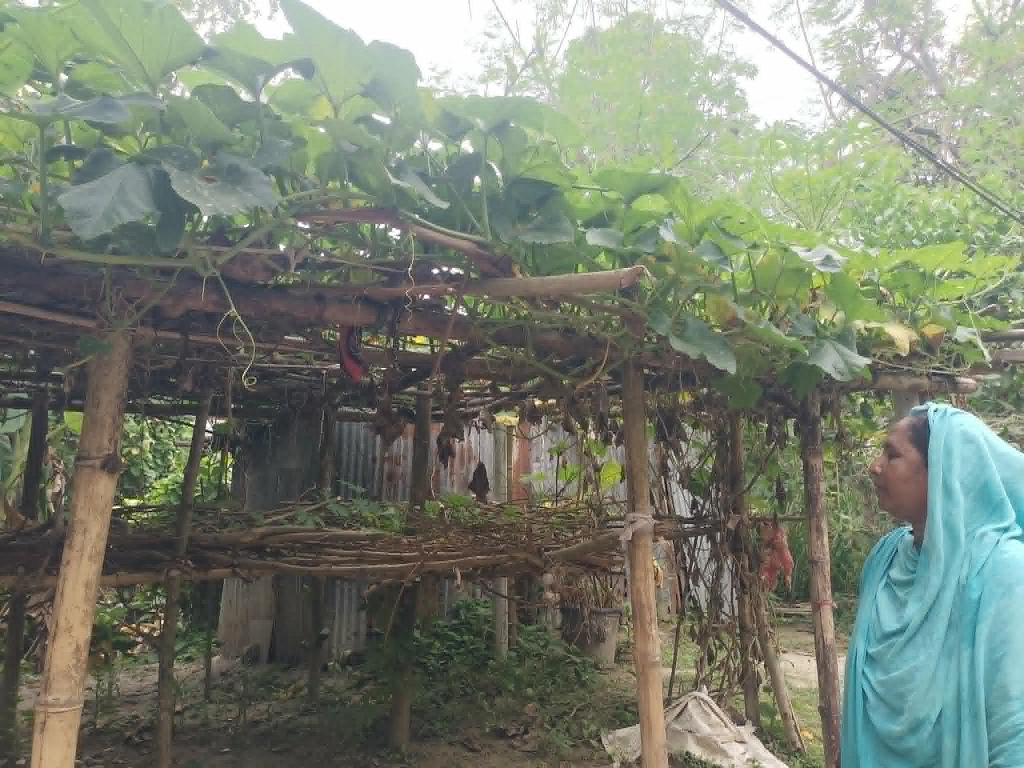
In contrast, the non-gardening households rely entirely on market purchases, resulting in considerably higher annual spending on vegetables. Limited space, poor health, lack of technical knowledge, and previous unsuccessful experiences were identified as the main barriers preventing them from cultivating vegetables.
The study also found that families producing vegetables enjoy regular access to fresh, safe, and nutritious food throughout the year, while their home gardens contribute to urban greenery and improve the local environment. Several non-gardening households expressed interest in starting vegetable cultivation after observing the positive results achieved by their neighbours.
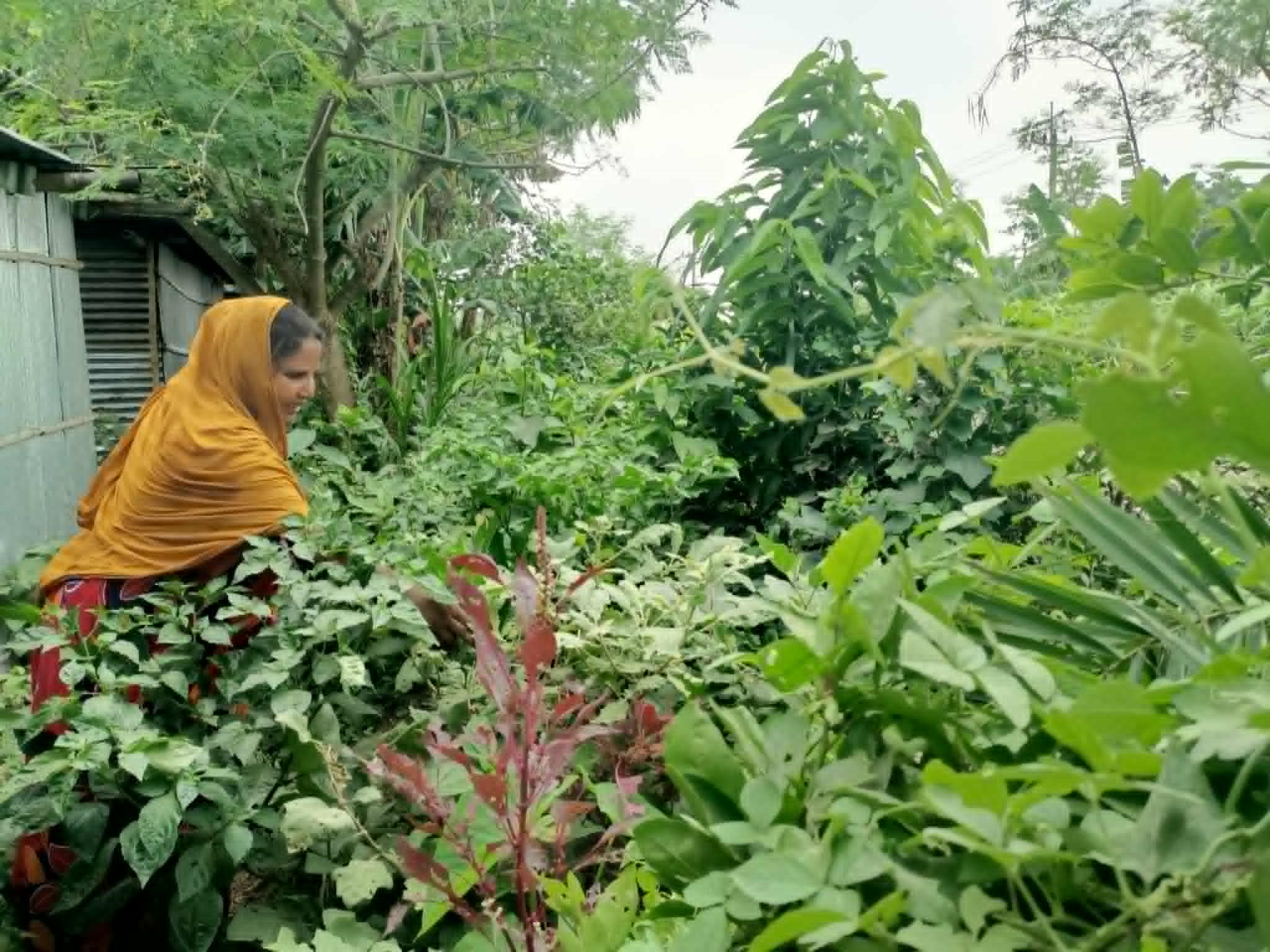
The key findings reveal that home gardening reduces household food costs, enhances nutrition, creates opportunities for supplementary income, promotes indigenous seed conservation, and demonstrates that even small urban spaces can support productive vegetable cultivation through trellis-based methods.
The study concludes that expanding training, technical assistance, and access to production materials including container, sack, and trellis gardening technologies would enable more low-income urban families to adopt vegetable cultivation. Such initiatives can play a vital role in strengthening food and nutrition security, improving livelihoods, increasing urban greenery, and enhancing climate resilience among marginalized urban communities.