
By Subir Kumar Sarker from Manikgonj
As night deepens, a subtle fragrance begins to spread through the air, quietly transforming the landscape. This is the magic of the Hijol flower, a delicate, pinkish-red bloom that turns the natural world into a dreamlike scene.
Under the dim glow of fireflies dancing among the branches, the Hijol tree stands adorned with silky, soft blossoms. By dawn, the flowers fall gently to the ground, forming what looks like a natural carpet beneath the tree.
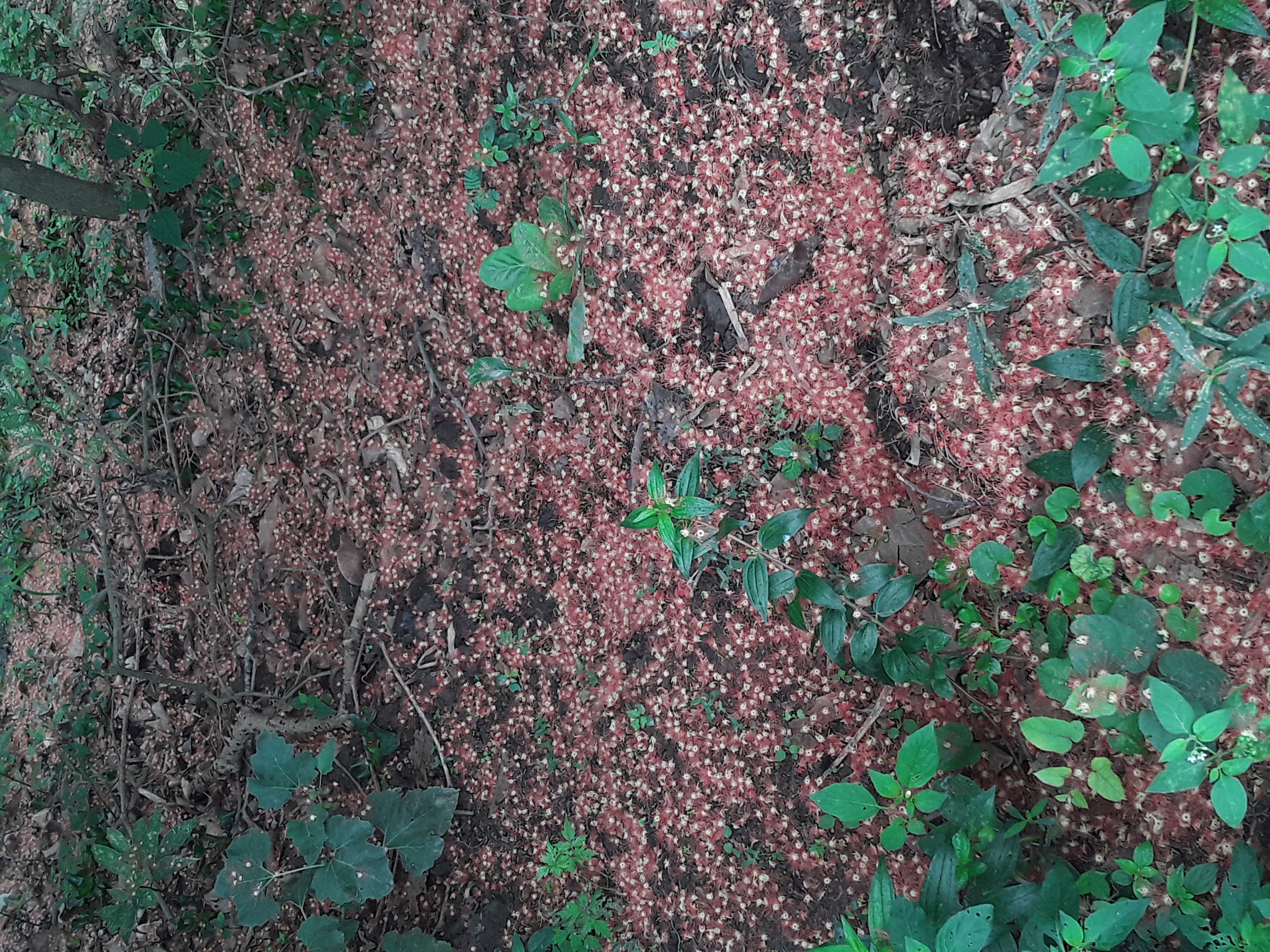
The Hijol tree is a familiar presence across the low-lying regions of Manikganj, especially in areas like Gangdubi, Thatanga, Doyal, Nimta, Nali, Joynagar, and along riverbanks, canals, ponds, and roadside wetlands. During the months of Boishakh and Joishtho, these trees burst into full bloom, enhancing the beauty of the landscape.
Beyond aesthetics, the Hijol tree has ecological importance. Its flowers, about 10–11 cm long, attract bees for nectar collection, while children often use the fallen blooms to make garlands. Even its seeds become part of playful rural creativity.
The tree is highly resilient and is capable of surviving floods, waterlogging, and even prolonged submersion. This makes it well-suited to the riverine ecosystems of Bangladesh.
Aged farmer Prafulla Kumar Mondal (77) recalls that his father once worshipped the Hijol tree, organizing week-long cultural rituals around it. Even today, people in Gangdubi village show deep respect for these old trees.
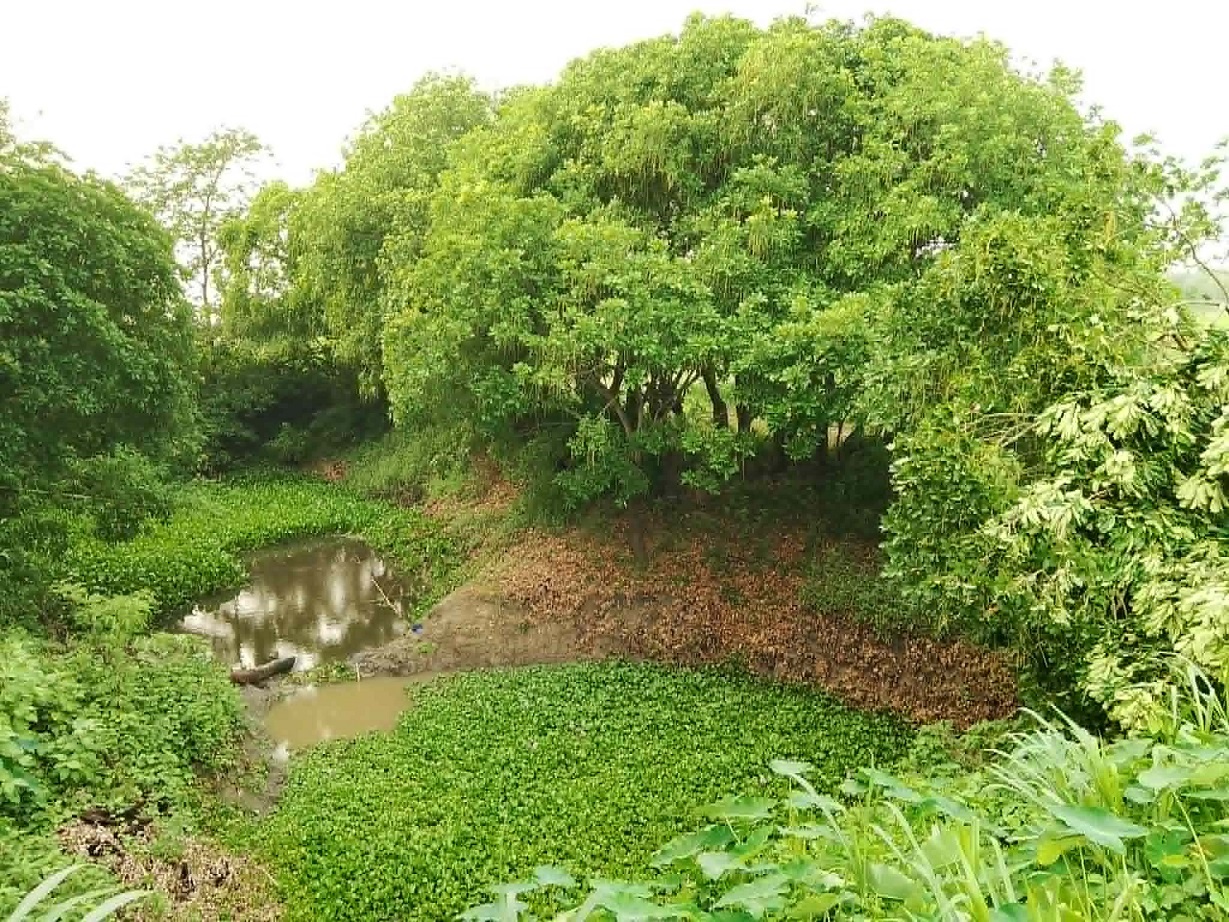
Kartik Halder (70) highlights its environmental value saying “Hijol trees provide oxygen and support aquatic life. Their branches, when submerged in ponds, develop algae that serve as food for fish.”
Yet, despite its importance, the Hijol tree is gradually disappearing due to shrinking wetlands. Preserving rivers, canals, and wetland is essential to ensure the survival of this unique species.