
By Rukhsana Rumi from Netrakona
With the arrival of Baishakh, the Bengali New Year, a quiet yet meaningful tradition comes alive in rural Bangladesh. Women of the villages such as mothers, aunts, and grandmothers gather bitter wild greens from nearby fields and homesteads, preparing special dishes to share with their families.
Early in the morning, they collect a variety of wild and semi-wild greens such as gima, bathua, shushni, dheki shak, dholfi, neem leaves, thankuni, helencha, kalmi, jute leaves, and drumstick leaves. These greens are food and part of a broader cultural practice. Villagers often organize informal gatherings to identify these plants, discuss their uses, and share knowledge.
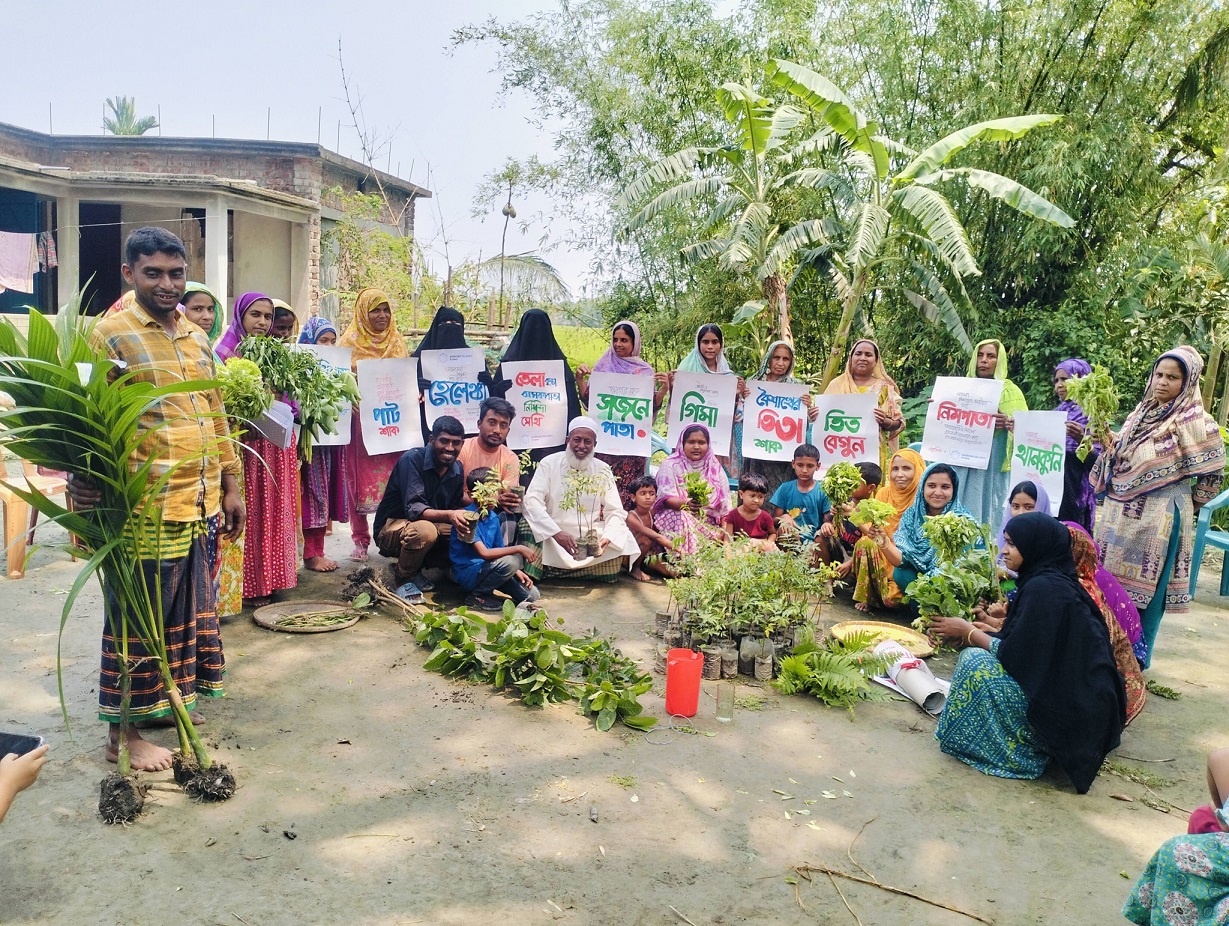
At one such gathering, farmer-researcher Golam Mostafa Madhu guided participants on the identification, medicinal properties, and conservation of these plants. He emphasized on their importance as both nutrition and natural remedies.
Ayesha Akhtar, a resident of Kailati village, reflected on the fading tradition saying “Once, wild greens were an essential part of the Bengali diet. Before Kali Puja, it was customary in rural Hindu communities to eat fourteen types of greens. But over time, especially in urban life, this tradition has nearly disappeared.”
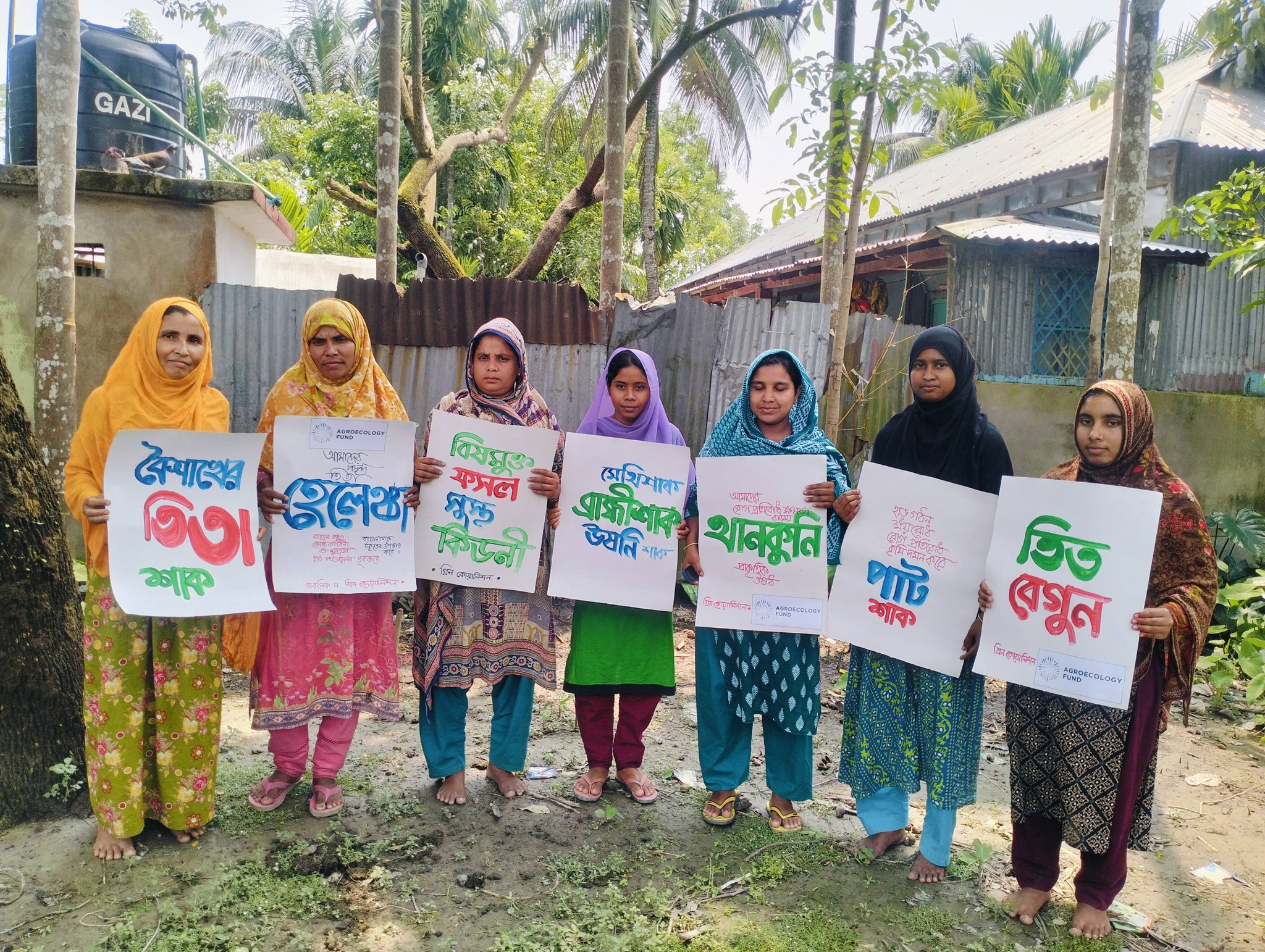
According to Madhu, the practice of consuming these greens during seasonal transitions has existed for generations. “During times of extreme heat, when diseases become more common, these bitter greens are believed to boost immunity and aid recovery,” he explained.
However, the increasing use of herbicides is destroying these valuable natural food sources. What was once abundant and freely available is now at risk of disappearing. Preserving these greens is not just about food, it is about protecting rural heritage and ecological knowledge.