
By Mofijur Rahman from Shyamnagar, Satkhira
A workshop titled “Soil, Water and Life: Realities of the Saline Coast” was held in Pakrataliati village of Burigoalini Union, Shyamnagar, Satkhira recently, bringing together farmers, women, youth, local representatives and teachers to discuss the growing impacts of salinity and climate change.
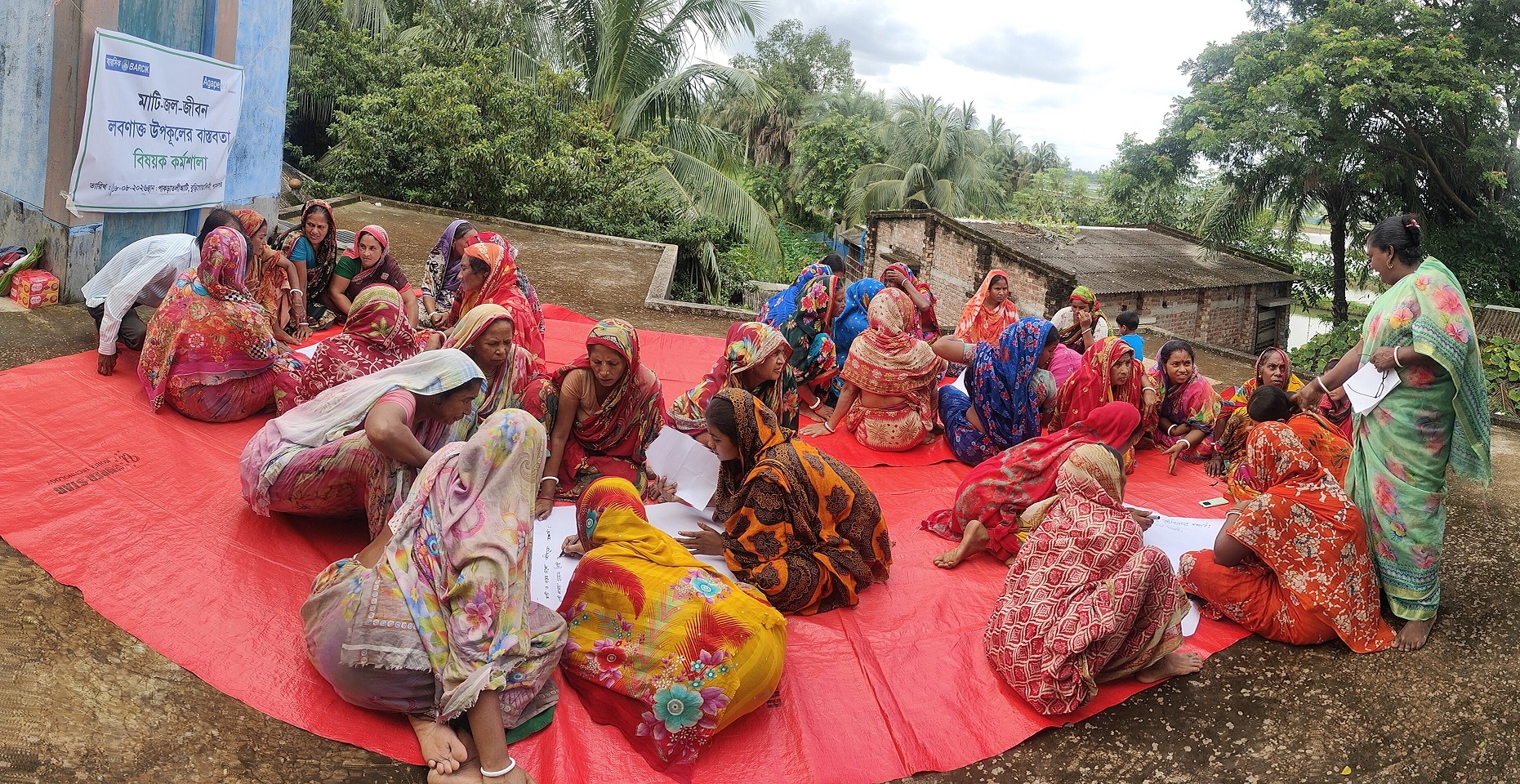
Participants of the event said that increasing salinity is reducing agricultural production, degrading soil fertility, threatening freshwater availability and biodiversity, and undermining local livelihoods. Cyclones, tidal surges, excessive rainfall and waterlogging are further increasing risks for coastal communities. Excessive use of chemical fertilizers and pesticides was also identified as a factor contributing to soil and biodiversity degradation.
The workshop emphasized agroecological and locally adapted solutions, including conservation of local seeds, use of organic fertilizers and botanical pesticides, rainwater harvesting, protection of ponds and canals, mulching, raised-bed cultivation, vermicomposting and saline-tolerant crops. Participants also stressed the importance of integrating local knowledge and community experience into climate adaptation and water management.
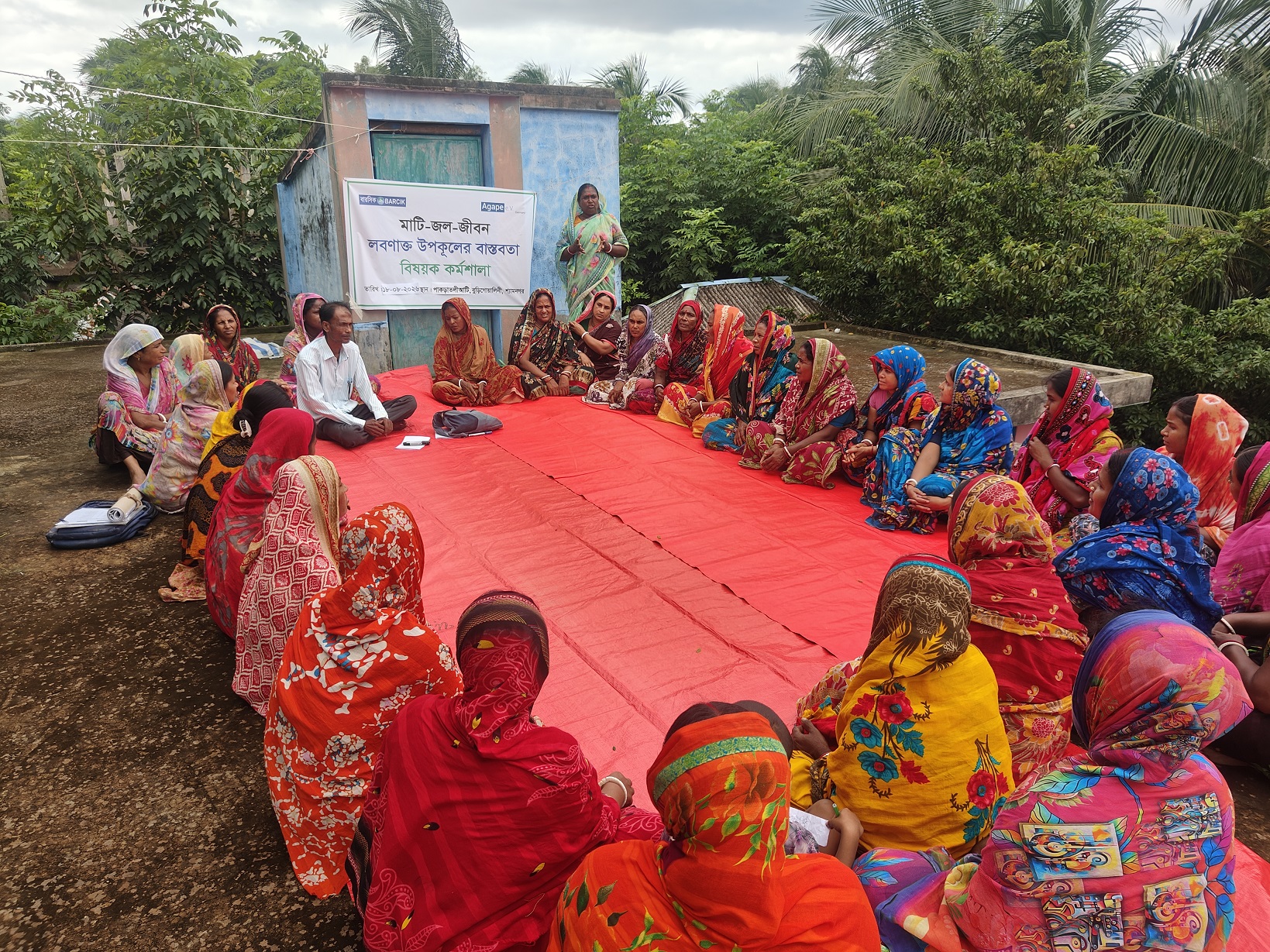
Through group discussions on the relationship between soil, water and livelihoods, participants identified how environmental changes affect agriculture, fisheries, livestock, food and nutrition security. They agreed that addressing coastal challenges requires coordinated action by communities, local government, government agencies, civil society and other stakeholders.
The workshop concluded that protecting the balance between soil, water, biodiversity and human wellbeing is essential for strengthening climate resilience, food sovereignty and sustainable livelihoods in coastal Bangladesh.