
By Subir kumar Sarker from Ghior, Manikganj
Farmers at Helachia Agroecology Learning Centre in Ghior upazila, Manikganj, marked World Food Day 2026 on 16 October by highlighting native Aman rice cultivation, seed conservation, agroecological practices and the importance of safe and nutritious food.
Organized jointly by the learning centre and BARCIK, the event was held under the theme “Today’s Innovations, Tomorrow’s Nutrition.” It aimed to promote safe food production alongside native Aman rice cultivation, preserve agricultural traditions and local seeds, and encourage farmers to exchange experiences on building a safe and nutritious food system.
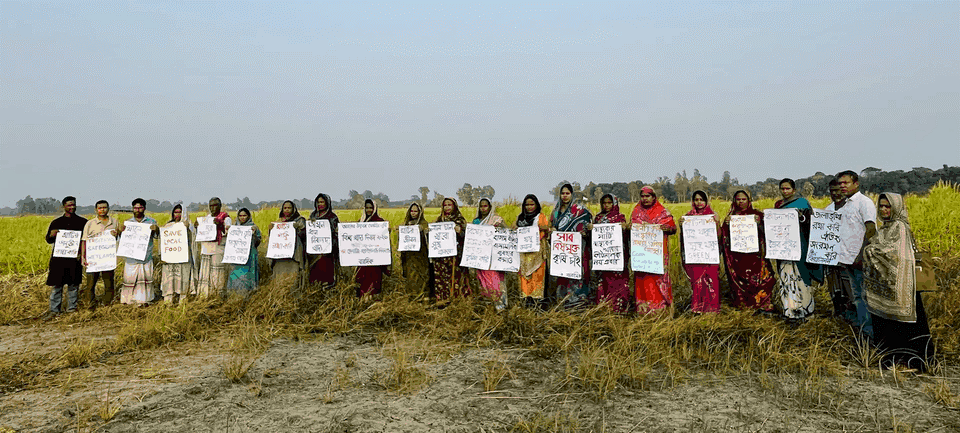
Parvin Akter, supervisor of Helachia Agroecology Learning Centre, said, “Local agricultural diversity could be sustained through the collection, conservation and exchange of native seeds.” She went on saying, “Native seeds are our resources and our rights. Conserving them is essential to ensuring food security for future generations.”
Agroecology practitioner Monowara Begum explained how she uses vermicompost to grow vegetables and produce safe food. She said these practices help meet household nutritional needs, reduce production costs, maintain soil health and minimize environmental harm.
Bimal Roy, BARCIK’s regional coordinator, emphasized on the importance of farmers’ knowledge and locally available resources in building sustainable food systems through traditional and local Aman rice cultivation.
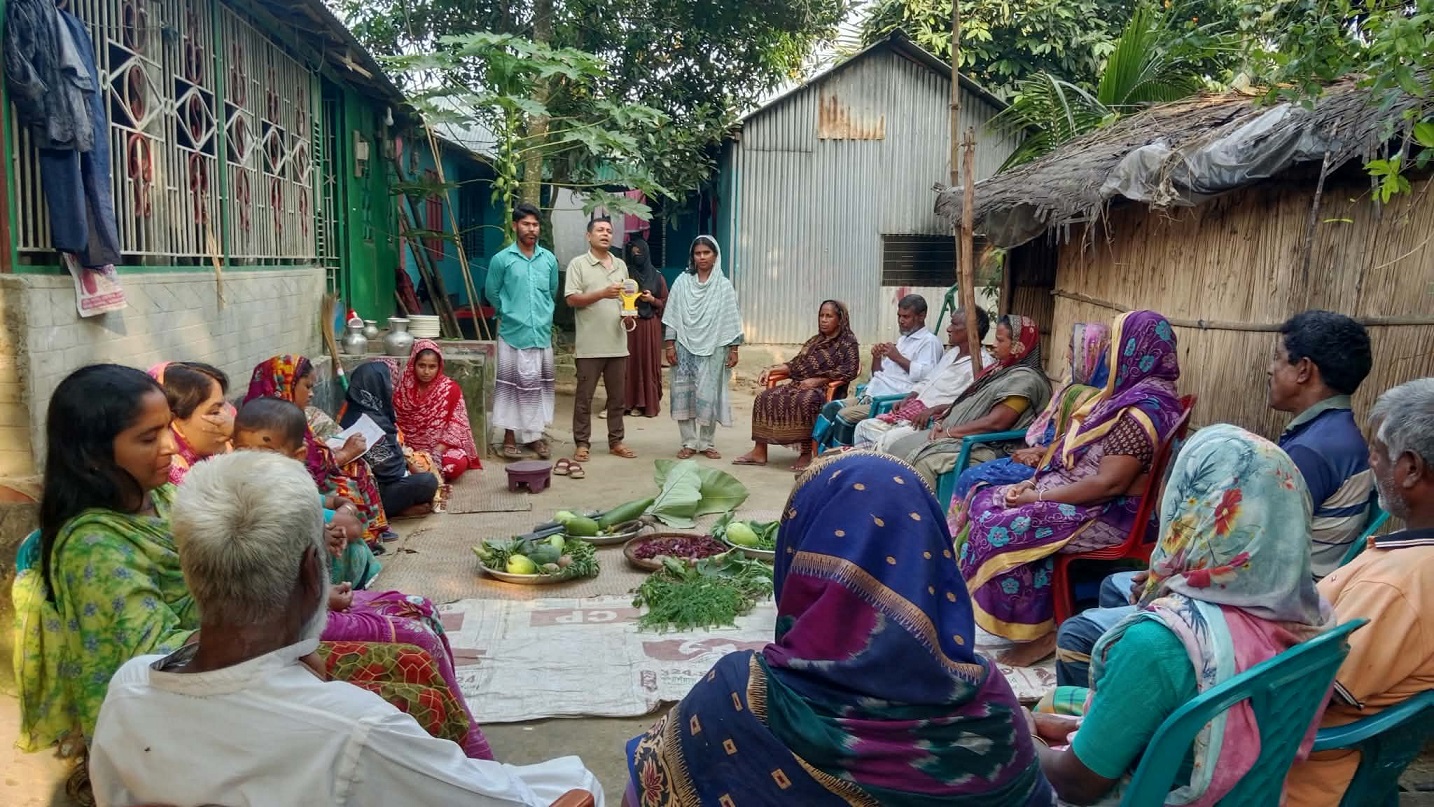
Almas Mahmud, president of the Helachia Farmers’ Organisation, said farmers had continued cultivating Aman rice across generations. He said that the importance of Aman rice and khesari (grass pea) cultivation in maintaining soil health, protecting the environment and producing healthy food.
BARCIK Programme Officer Mukter Hossain said deep water broadcast Aman rice cultivation was closely connected with agriculture, food systems and local livelihoods in the Helachia wetland area. He added that cultivating local rice varieties and khesari helps to sustain local food supplies and preserve the region’s agricultural and cultural heritage.
The discussion underscored the importance of conserving native seeds, promoting agroecological farming and drawing on farmers’ experience to build a more diverse, sustainable and nutritious food system.