
By Mst.Roksana Perveen, from Shymnagar, Satkhira
The Nexus of Climate and Rights
In the climate-vulnerable coastal regions of southwestern Bangladesh, livelihoods are not only fragile but are increasingly shaped by environmental injustice. For many CSO members, climate change has severely disrupted traditional income sources. Salinity intrusions, erratic weather, scarcity of drinking water, and rising temperatures have made cattle rearing more difficult than ever. Farmers now face unfamiliar livestock diseases, declining meat and milk yields, and higher mortality rates—all while lacking adequate access to information or public services.
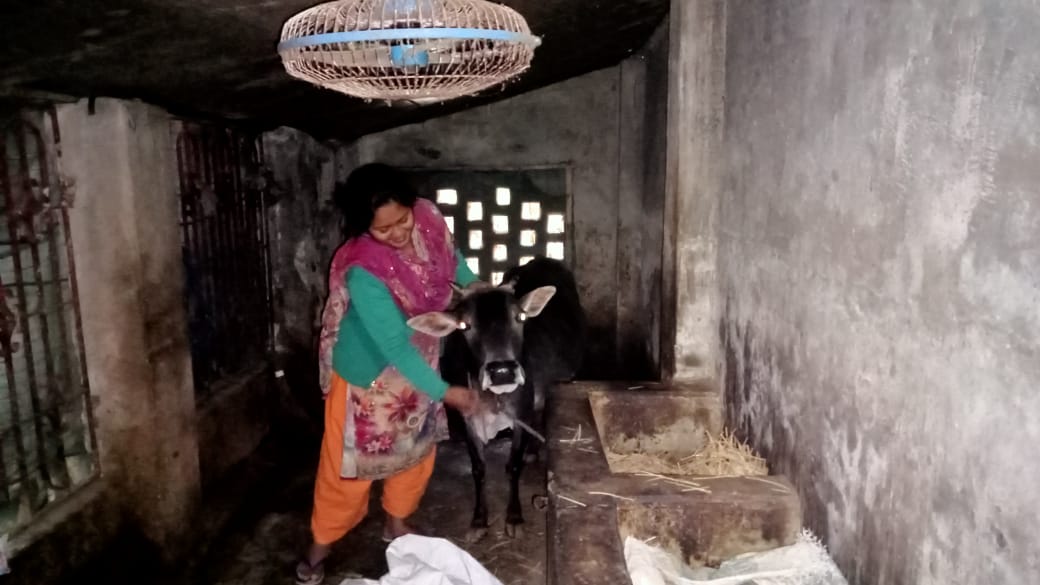
These challenges are not merely technical. They directly affect people’s right to livelihood, food, health, and a safe environment. Recognizing this, BARCIK ENGAGE Project supported by the European Union and NETZ-Partnership for Development and Justice, guided by the framework of Environmental Human Rights for a Just Transition, works to ensure that climate-affected communities can claim their rights and adapt with with dignity, knowledge, and institutional support.
Mapping Environmental Threats to Dairy Farmers’ Rights
Initial discussions with CSO members revealed that many households already owned cattle, but dairy farming remained unprofitable and risky. Climate stress had increased disease outbreaks, while lack of knowledge on nutrition, hygiene, and preventive care worsened losses. Most farmers were unaware of government training opportunities and had no linkage with relevant service providers. As environmental changes intensified, these gaps deepened vulnerability and undermined basic human rights related to food security and income. Addressing this required not charity, but access to knowledge, public institutions, and environmentally sounds practices.
Practical Pathways to Environmental Justice
In response, the BARCIK ENGAGE Project facilitated a linkage between CSO members of Misra Tetulia village, Kadakati Union, Assasuni Upazila of Satkhira district, and the Department of Youth Development. The focus was on climate-resilient and eco-friendly dairy farming as a practical pathway to environmental justice and livelihood security. BARCIK played a coordinating role, identifying interested participants, communicating local needs, and ensuring that the training addressed both climate risks and human rights concerns. This collaboration reflected a key principle of environmental human rights: enabling communities to claim services and build resilience through public systems.
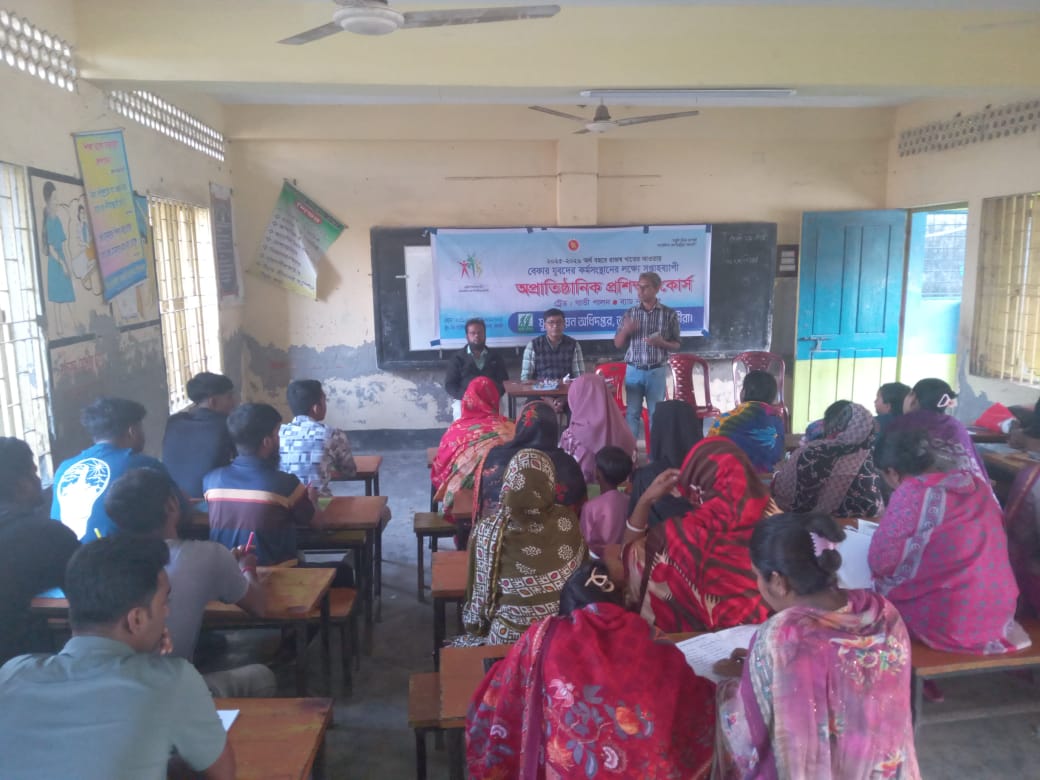
Training Overview
The six-day dairy farming training was held from November 20 to 25, 2025, in Misra Tetulia village. Thirty participants took part, including nine CSO members. The opening session was attended by officials from the Department of Youth Development alongside BARCIK ENGAGE representatives.
The training combined practical and theoretical learning, with strong attention to climate adaptation, disease prevention, and environmental responsibility. Participants learned how environmentally stressed conditions demand new approaches to cattle care and farm management.
Key areas included:
- Selection of locally adapted and climate-resilient cattle breeds
- Balanced feeding using locally available and eco-friendly resources
- Identification and prevention of emerging and climate-linked cattle diseases
- Hygienic farm management to protect animal and human health
- Low-cost, eco-friendly cow shed construction
- Calf care and long-term herd sustainability
- Environmentally responsible methods to increase milk production
- Basic business skills and cost calculation
- Labor-saving and safety practices, with attention to women’s workloads
- Linking dairy farming to household nutrition and income security
Participants Remarks and Immediate Learning
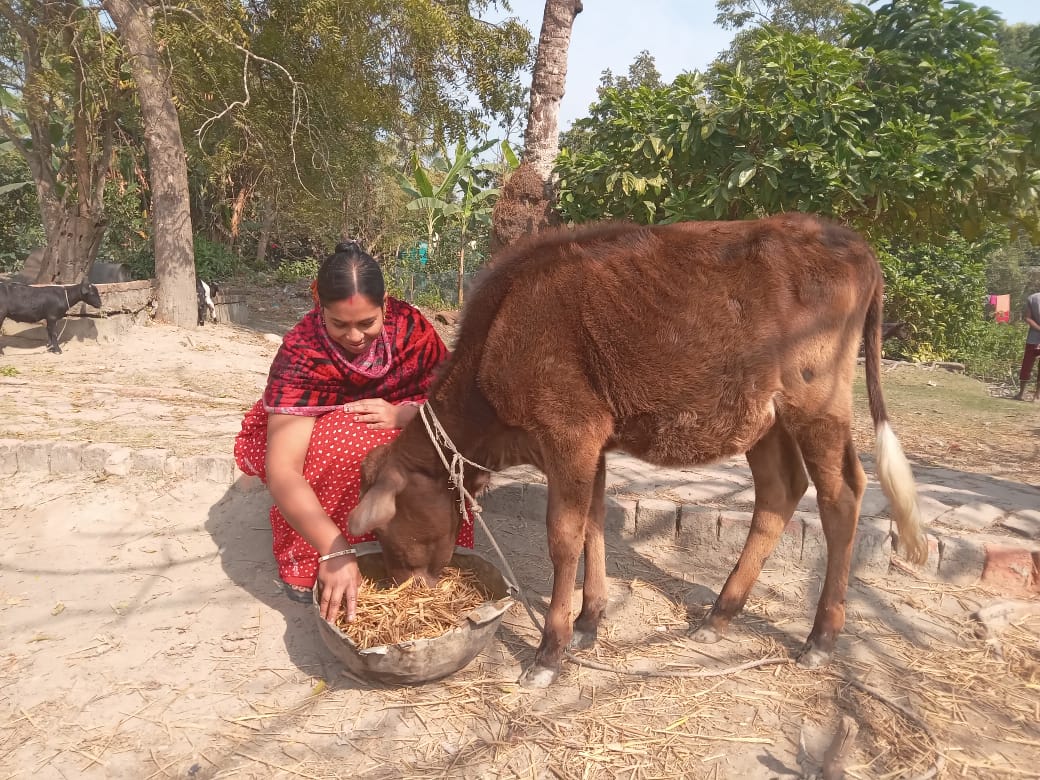
Following the training, CSO members shared that their understanding of dairy farming has shifted. What was once seen as risky and uncertain is now viewed as a more planned, informed, and rights-based livelihood option.
Trisha Adhikari, a woman CSO member, said, “Earlier, we did not clearly understand feeding, hygiene, or early signs of disease. This training helped us learn the basics, and we now feel better prepared to manage our cows.”
Another participant, Chanda Mitra, shared, “We were not aware that we had the right to access government livestock services. Through this training, we learned where to seek support for a safer and healthier livelihood.” Overall, participants expressed growing confidence and readiness to apply the knowledge gradually, while recognizing that results will come with time and practice.
Importantly, the linkage with government institutions has strengthened their confidence to claim public services as a right, showing how environmental human rights can be put into practice while supporting livelihoods in a changing climate.
Scaling Impact and Way Forward
The experience will show that climate-affected livelihoods such as dairy farming can be strengthened when communities receive timely knowledge, institutional support, and environmentally sound guidance. Strengthening local CSOs as bridges between communities and government services will remain essential for a just transition.
Building on this learning, the BARCIK ENGAGE Project will replicate similar trainings and institutional linkages, with the aim of expanding climate-resilient, rights-based livelihood opportunities in other environmental hotspot areas.
Advancing Human Rights through Action
Connecting communities to public services is a practical rights-based step. Linkage for this dairy farming initiative under BARCIK ENGAGE Project goes beyond mere skill development; it reflects a concrete move toward environmental human rights. In this effort, vulnerable communities adapt to climate change without losing their dignity, income, or health. By linking people to essential knowledge and public institutions, the project helps transform environmental hotspots into more resilient and just communities.