
By S.M Osman Goni Sohag from Satkhira
In the coastal villages of Satkhira District particularly in the climate-vulnerable Shyamnagar upazila, jujube (locally known as kul or boroi) plays an important role in household nutrition and livelihood security. The salt-tolerant tree thrives in saline soils where rice and vegetable cultivation is often risky due to cyclones, tidal surges, river erosion, and increasing salinity.
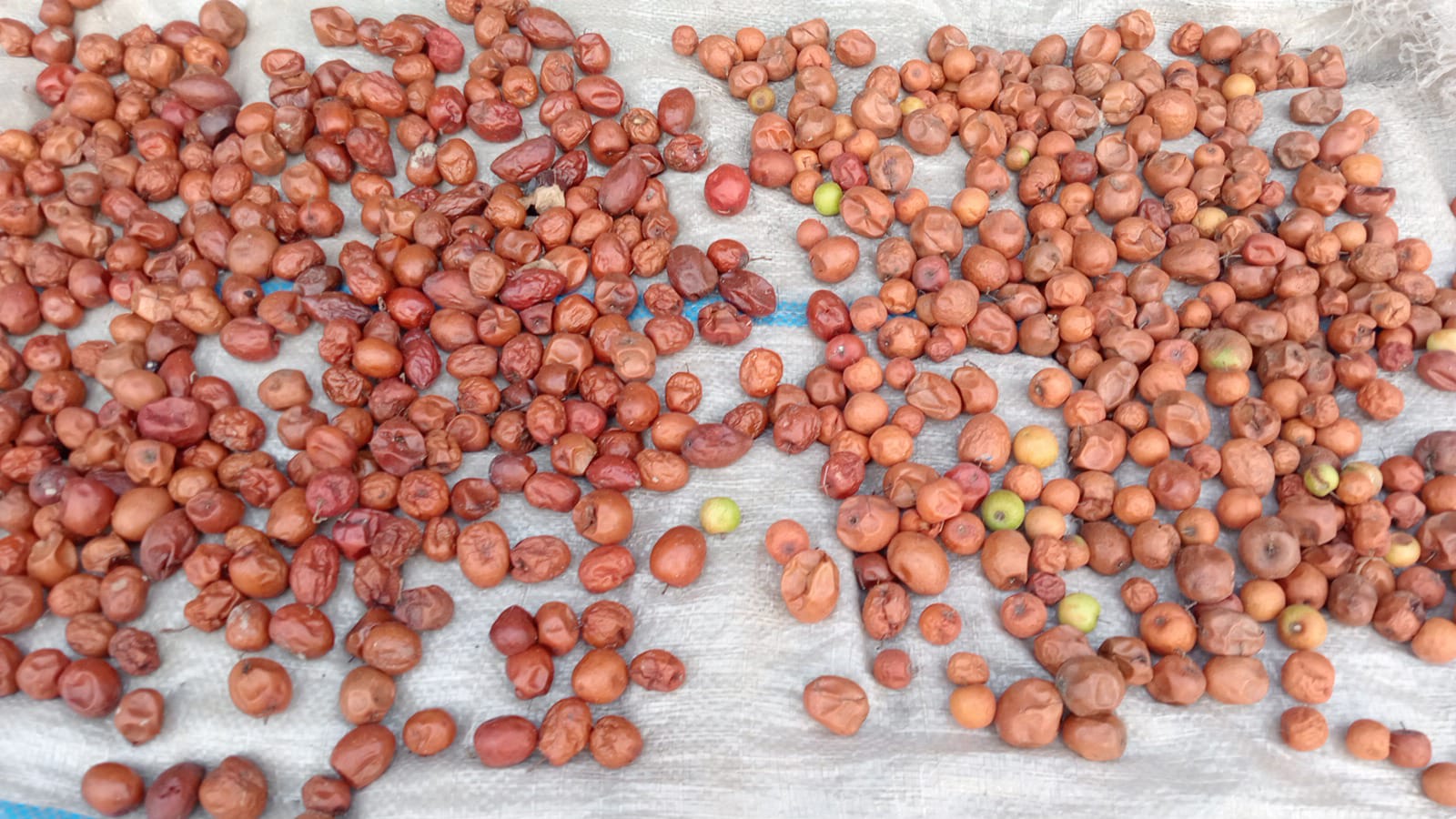
Jujube trees require relatively little water and can grow in homesteads, embankment slopes, and fallow lands. Their root systems help stabilize soil and reduce erosion, making them environmentally beneficial for coastal landscapes. Farmers said that where conventional crops may fail, jujube trees continue to provide reliable seasonal yields.
It has been learnt that nutritionally, jujube is rich in vitamin C, antioxidants, dietary fiber, calcium, iron, and phosphorus. It strengthens immunity, supports digestion, and contributes to overall health. Beyond fresh consumption, women in coastal communities apply traditional knowledge to preserve the fruit. Ripe jujubes are gently sun-dried for several days and stored in jars; some are preserved with date molasses. Dried jujube is later used to prepare pickles, chutneys, and other foods. When properly maintained and occasionally sun-dried, it can be stored for one to two years, serving as a valuable food reserve during times of disaster or scarcity.
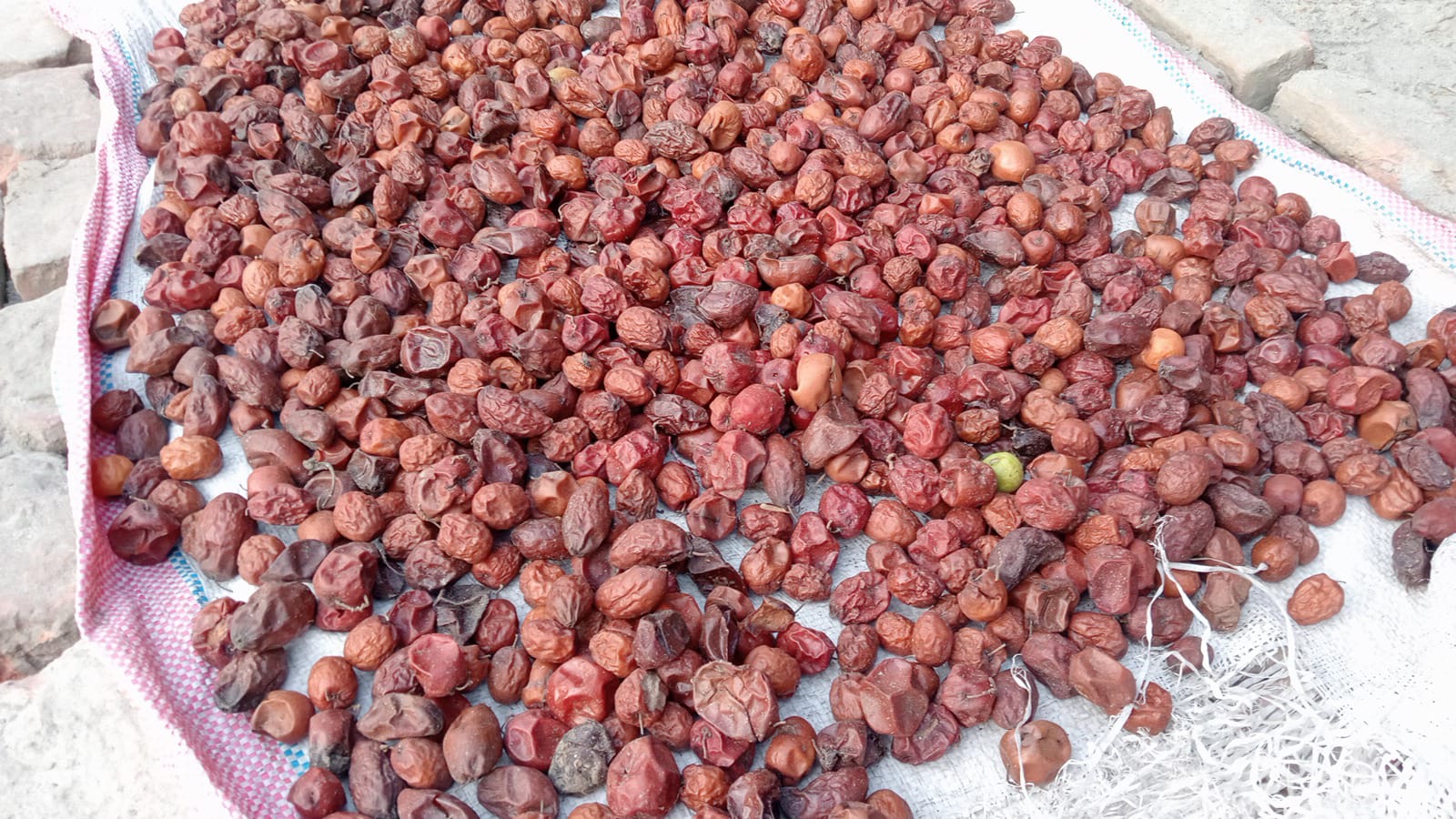
Local educationist Krishna Nanda Mukherjee said that expanding salt-tolerant fruit cultivation, distributing improved saplings, and strengthening training on local preservation methods could significantly enhance food security and climate adaptation efforts. In the face of growing climate risks, jujube represents both as a fruit and a symbol of resilience, indigenous wisdom, and sustainable coastal livelihoods.