
By Esha Akter Labonny from Dhaka
After nearly a week of intense heatwaves, rainfall in Dhaka brought temporary relief to city residents. However, the rain came with strong winds, severe thunderstorms, and waterlogging that created new hardships for low-income communities living in slums.
During a discussion held recently residents of Kallyanpur Pora slum shared their experiences of climate-related suffering in urban areas. Although Dhaka was spared from major lightning damage, 14 people reportedly died in other parts of the country due to lightning strikes.
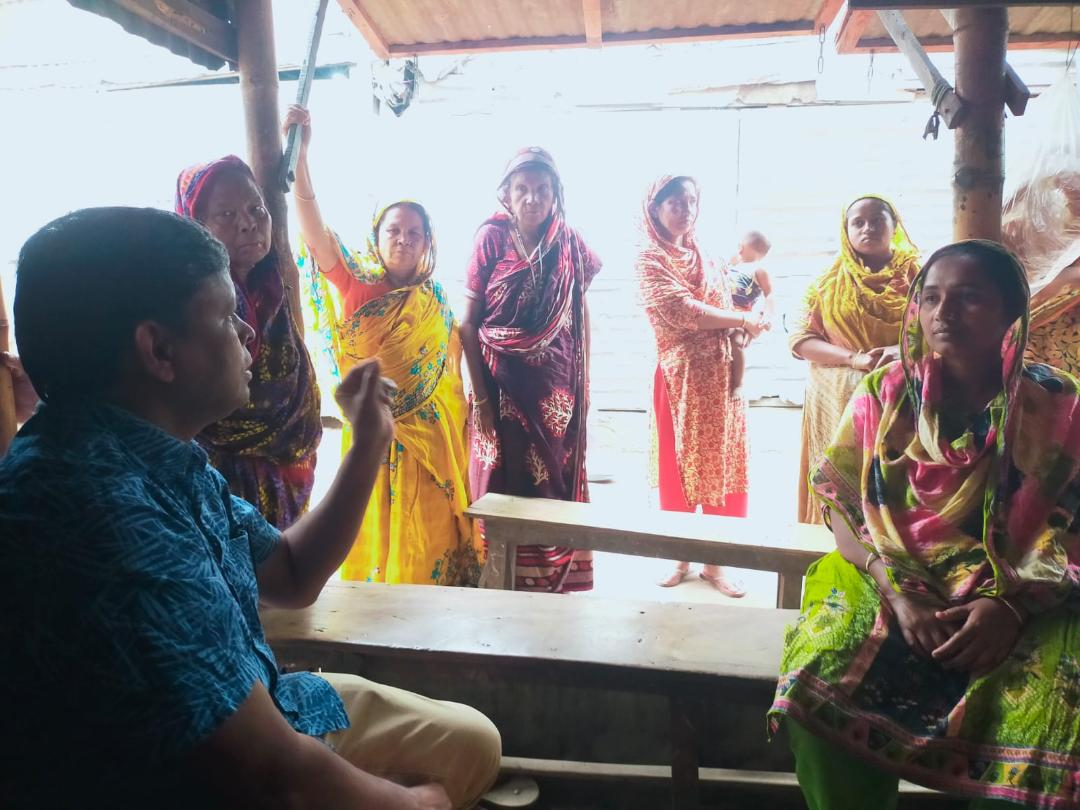
The effects of storms and heavy rain are not equal for everyone in the city. Planned urban neighborhoods quickly returned to normal, while slum dwellers faced flooded homes, damaged belongings, and severe difficulties in movement. Women suffered the most as they struggled to protect household items and prepare food for their families.
Nurbanu Begum (85) explained that many slum dwellers migrated from Bhola district after losing their houses to river erosion, floods, cyclones, and tidal surges. She said, “We came to the city for survival, but life here is also uncertain. For years, we have faced repeated eviction threats and insecurity.” “In this city we have no one of our own and no one advocates for our rights” she added.
Sabera Akter (70) described the unbearable living conditions during extreme heat saying “Our tin-roof houses become too hot to stay in. We cannot sleep at night or remain indoors during the day. Many people suffer from fever, cough, breathing problems, skin diseases, and body pain. Because we cannot afford proper healthcare, we depend on pharmacies for medicine.”
Urban poor of the area also highlighted the worsening drainage crisis. Hajera Begum (60) said that even the first rainfall of the year caused severe waterlogging in the settlement. Senior citizens and children are forced to walk through dirty water and mud, increasing the spread of illness. She also pointed out the social discrimination their children face in schools because of their slum addresses.
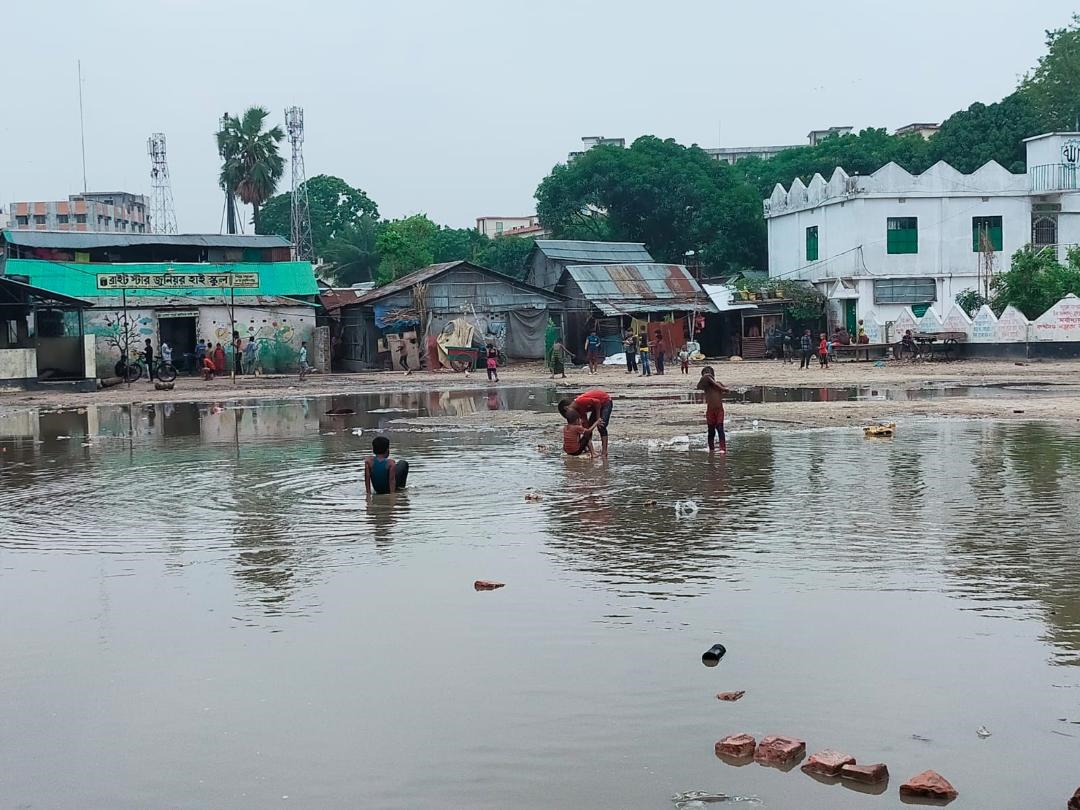
Amena Begum (60) expressed frustration over unequal access to government support. She said, “Slum dwellers pay excessive electricity bills through local middlemen and demanded equal housing support for all vulnerable urban communities.
Ojifa Begum (62) added that skin diseases and measles outbreaks are becoming common in the slum. She also warned that outsiders often exploit poor residents by taking money and identification documents in the name of providing aid.
BARCIK is organizing healthcare camps, vocational training, youth conferences, and advocacy programs to strengthen community leadership and help residents respond to urban climate challenges.