
By Khadiza Akter Lita, from Netrakona
For generations, the Mogra River has shaped the lives of Bishwanathpur village in Netrakona. Like countless rural communities across Bangladesh, the village grew along the riverbank, where water, soil, and seasonal rhythms determined livelihoods, culture, and identity. Fishers, farmers, potters, weavers, and boatmen once depended on the river for survival, while songs, stories, and traditions flowed with its current.
During the monsoon, the Mogra ran wide and powerful so vast that one bank could not be seen from the other. Boats carried goods, fishing nets filled the night, and fish were so plentiful that women prepared spices in advance, certain the men would return with a catch. The river sustained agriculture, nourished biodiversity, and earned Bengalis their timeless identity as “Mache Bhate Bangali.”
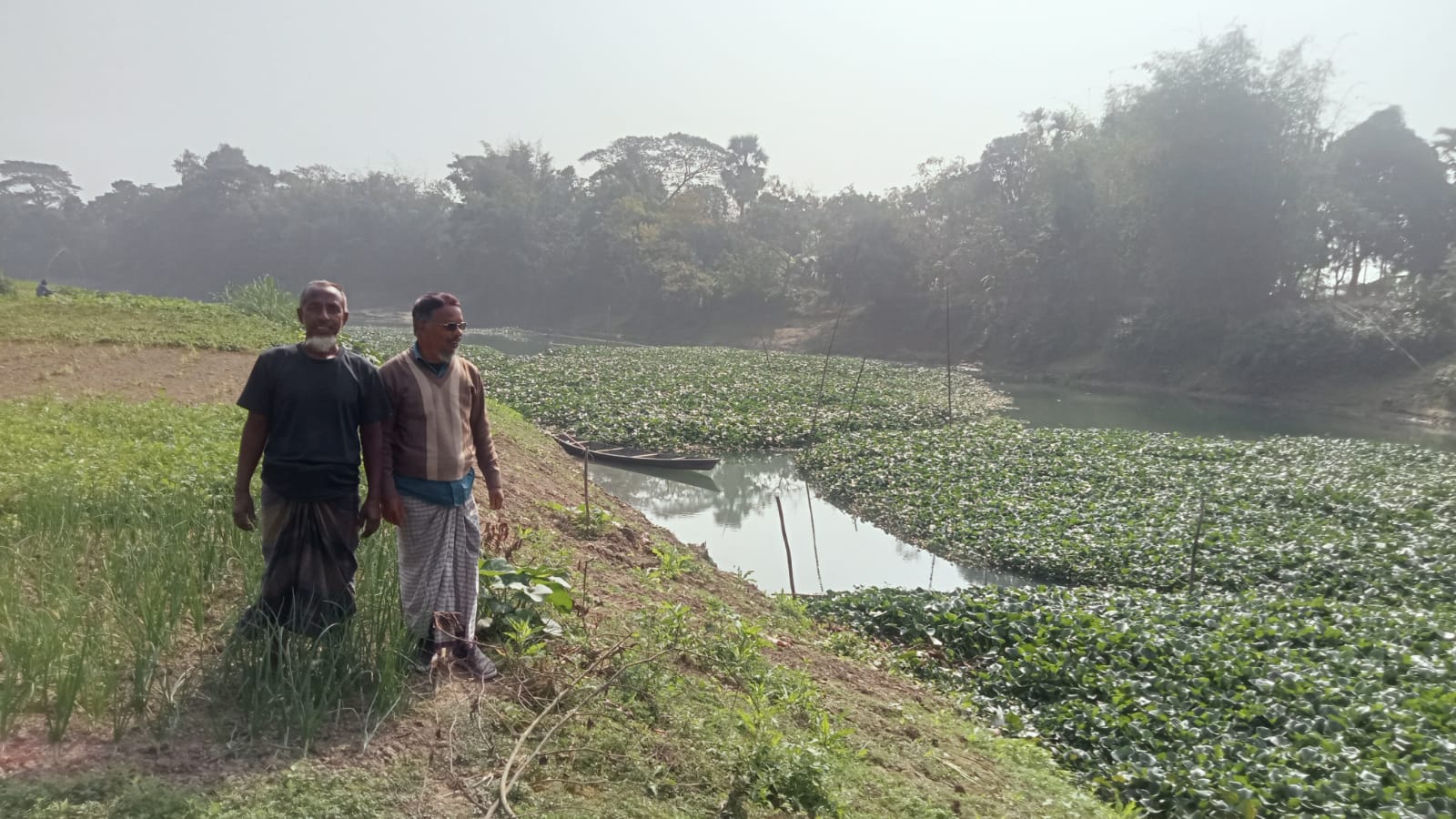
Today, the Mogra is a shadow of its past. Both banks have been filled, and for nearly four months each year the river runs dry. Deep irrigation machines drain underground water, leaving village tube-wells empty and creating severe drinking water shortages. Farmers now buy irrigation water at high cost, only to barely recover their expenses after harvest.
Women’s lives have changed along with the river. Once, the riverbank was a shared space for household work, conversation, and mutual support. Women gathered wild leafy greens from the river’s edges chemical-free foods that sustained family nutrition. As the river shrinks, those social spaces and natural food sources are disappearing, confining women’s lives increasingly within household walls.
Despite its decline, the river remains vital. Villagers still bathe cattle there, collect water hyacinth for fodder, raise ducks, and grow seasonal crops on the river’s sandbars. Yet access to the river is no longer equal. Once open to all, it is now controlled by powerful interests, restricting local people from fishing freely.
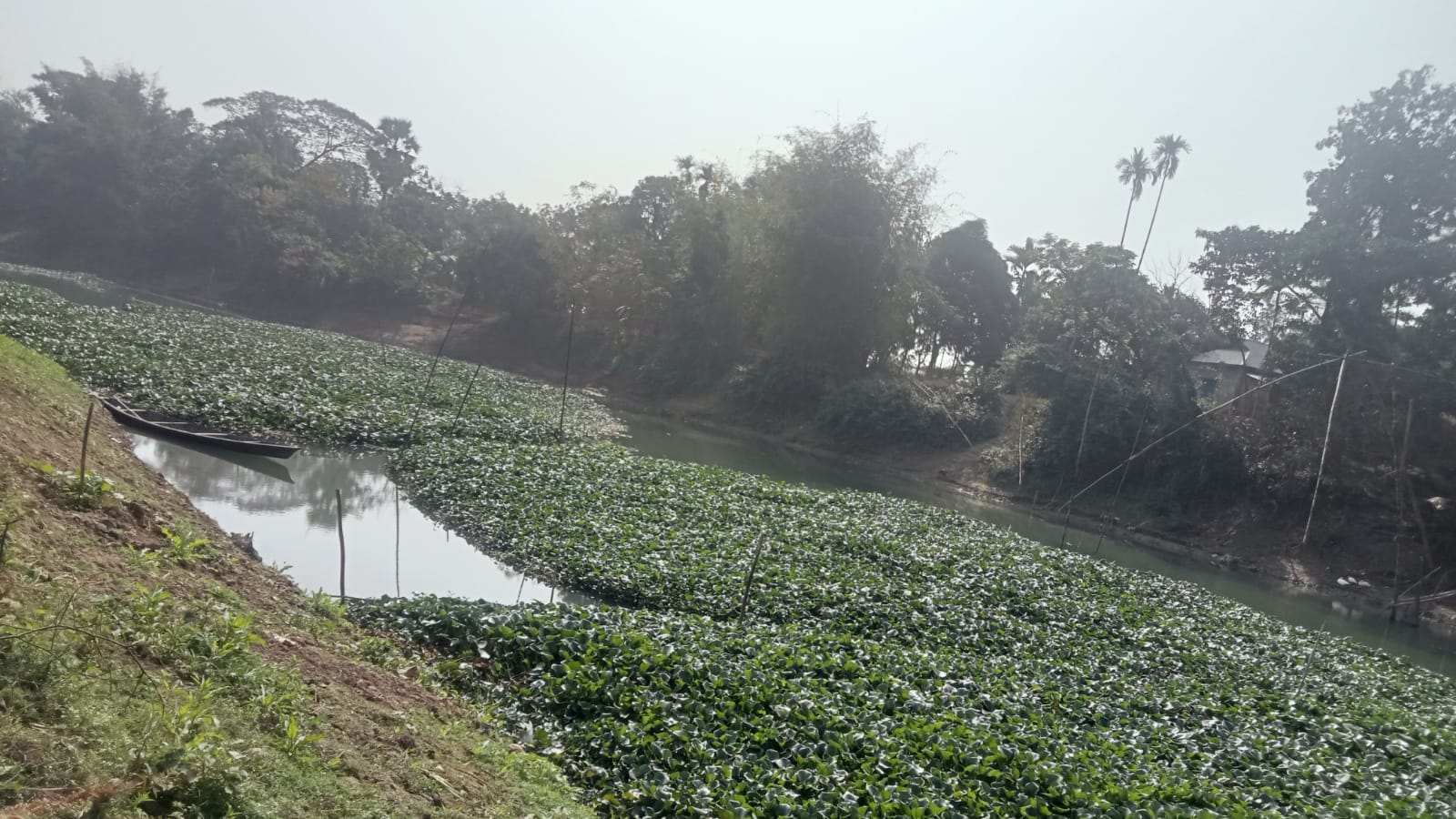
As water recedes, so does biodiversity, fish, snails, birds, and even fireflies that once lit the riverbanks at dusk. If the Mogra disappears so will disappear a living culture shaped by water, labour, and shared memory.
Protecting the Mogra River now demands urgent collective action. Dredging, restoration, and community stewardship are essential to save a river and preserve the lives, livelihoods, and dreams that still flow with it. Therefore, action from farmers, fishers, women, youth, and all professions should be taken and it is right time act now.