
By Hena Akter Rupa, from Dhaka
A discussion meeting titled “Urban Climate Crisis and Voices of the Marginalized” was held recently at BARCIK Urban Resource Centre, Balurmath, Hazaribagh. The event was organized by BARCIK and presided over by Hosne Ara Begum Rafza, president of the Slum Dwellers’ Rights Protection Committee. A total of 25 representatives from local slum communities participated in the discussion.
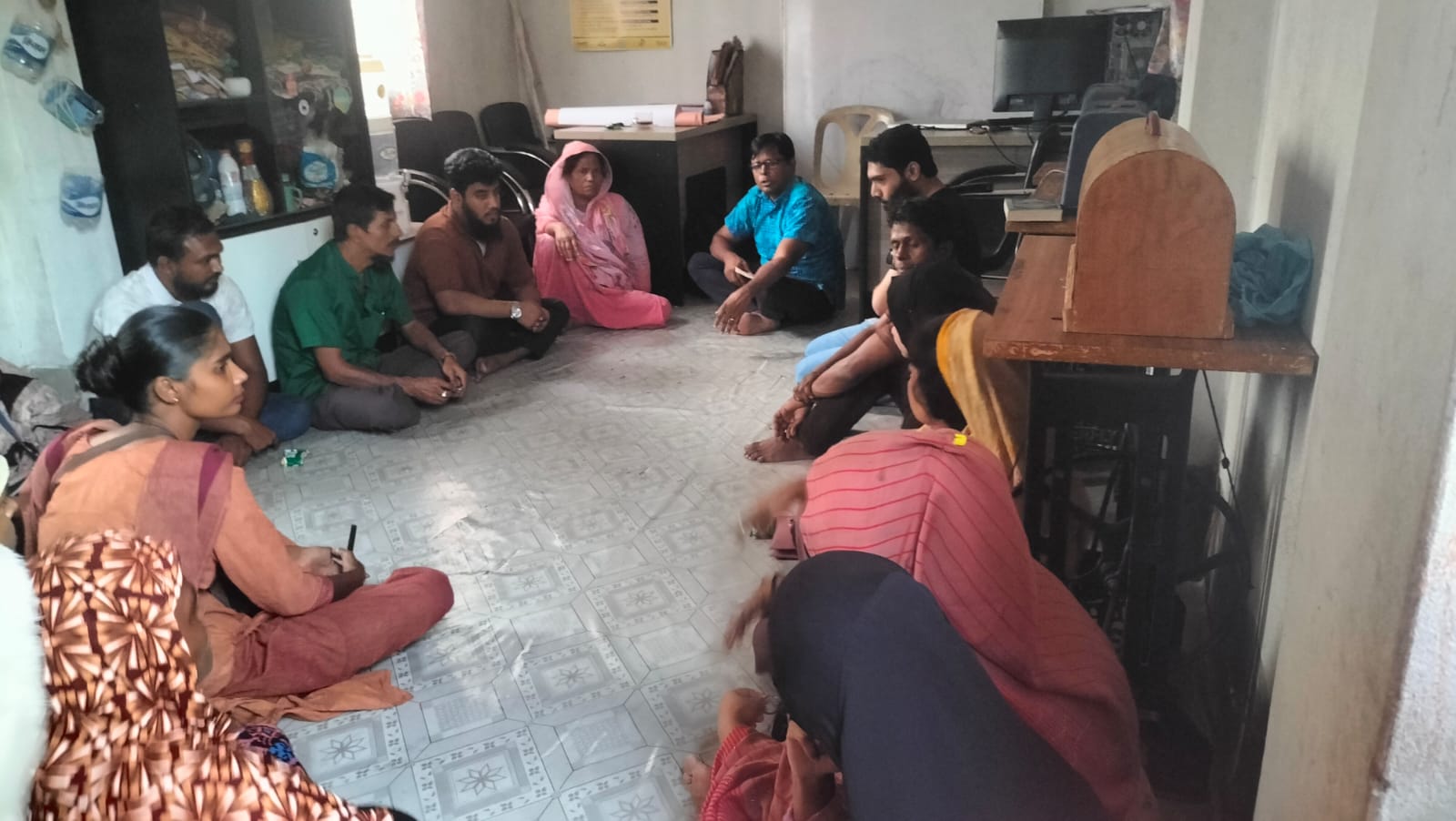
At the beginning of the session, Jahangir Alam, Coordinator and Urban Researcher at BARCIK, welcomed participants and introduced the session. He highlighted that low-income residents in the city face multiple crises related to housing, healthcare, food, education, and employment. He said, “To build a humane city, we must prioritize the problems of those most affected by climate change and develop sustainable solutions.”
Speakers discussed how rising global temperatures, melting ice, sea level rise, floods, droughts, and cyclones are the outcomes of increased carbon dioxide emissions caused by the burning of fossil fuels (coal, oil, gas) and deforestation. They emphasized that wealthy nations bear the primary responsibility for this crisis.
Participants shared their lived experiences of climate-related problems in urban slums. Masud Mia, a slum resident, said, “Waterlogging is a major problem. During rain, our houses and roads go under dirty, polluted drain water. It causes skin diseases like itching and rashes that don’t heal easily.” Lipi Akter said, “We cannot provide good food to our children. Even what we manage is often adulterated. My three children suffer from skin problems and heart issues. I spend all I earn on doctors.” Asma Begum, Ayesha Begum and Jalil Mia also shared their stories and challenges.
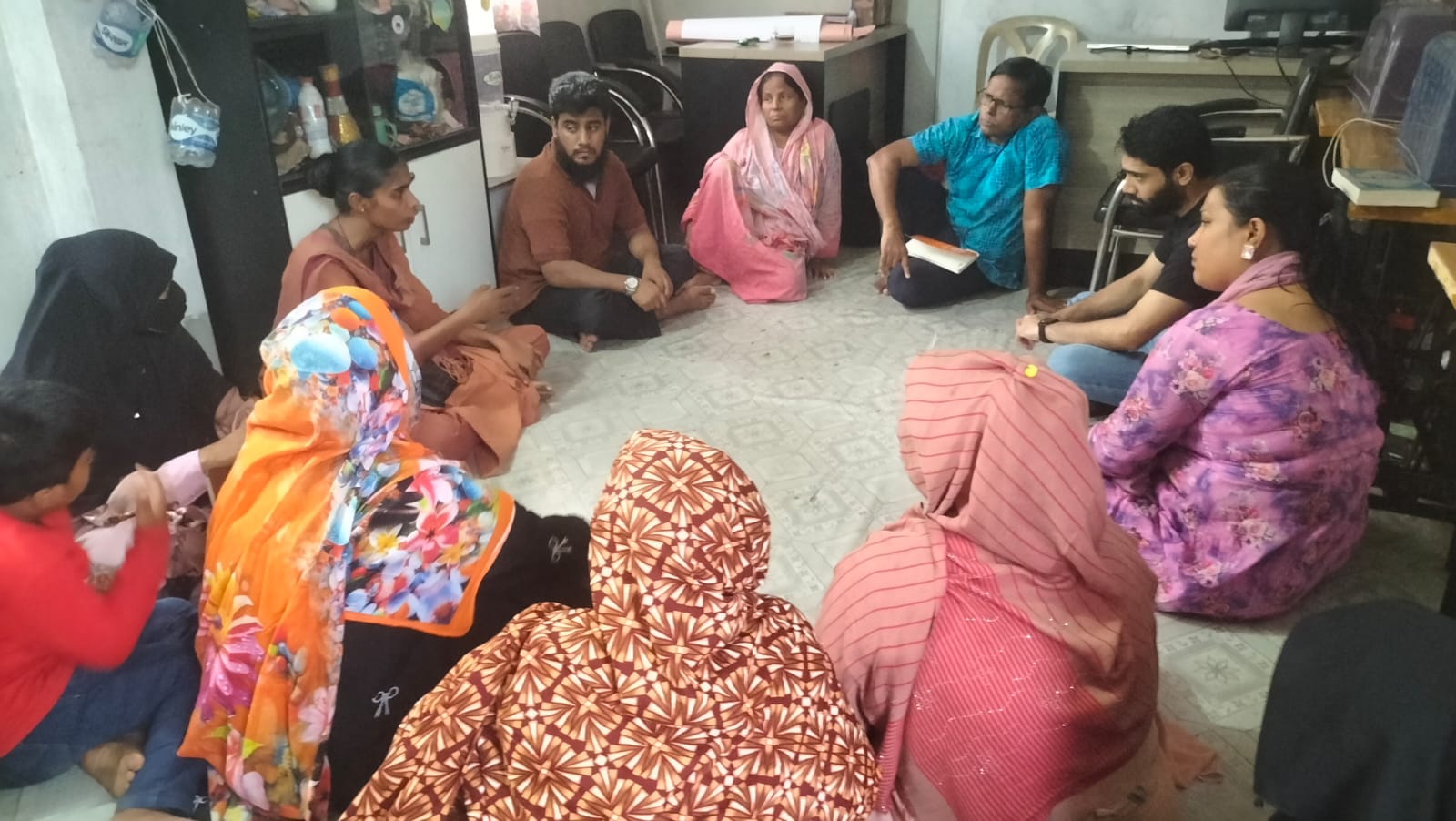
The discussion revealed that slum dwellers frequently suffer from viral fevers, itching, respiratory problems, waterborne skin diseases, heart issues, rashes, allergies, dengue, chikungunya, diarrhea, cholera, typhoid, gastric disorders, heatstroke, and body pain.
Speakers concluded that climate change is not only an environmental issue but also a serious urban health, livelihood, and housing crisis for marginalized communities. They called for urgent policy attention and community-based adaptation measures to reduce suffering and ensure justice for the urban poor.