
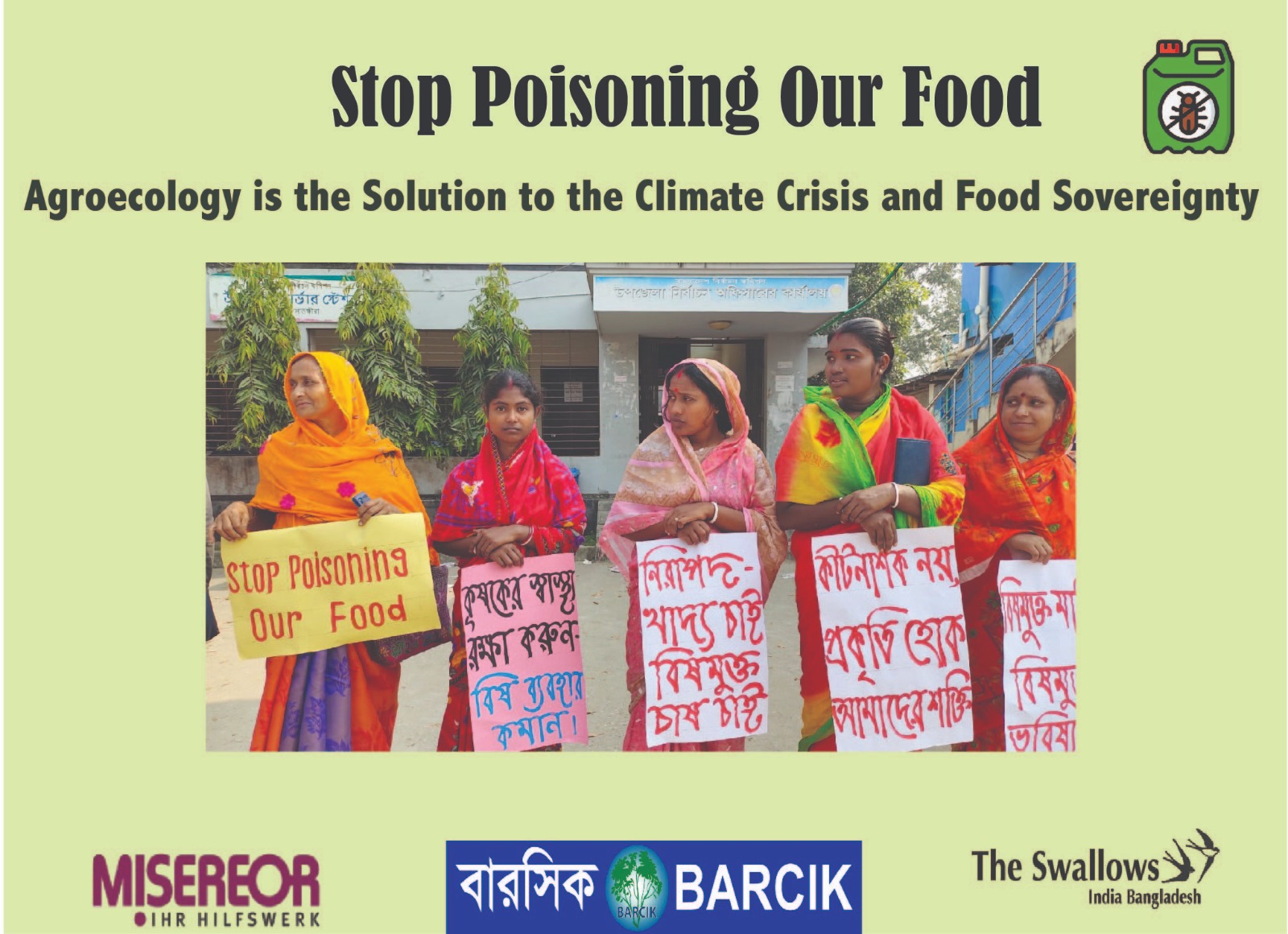
Barciknews desk
Since the introduction of the Green Revolution, farmers have been pressured to use chemical fertilisers and pesticides to increase food production.
However, many of these farmers had their own agricultural practices based on their experiences and local ecological conditions before the so-called Green Revolution. While food production has risen, the number of people suffering from hunger has also increased.
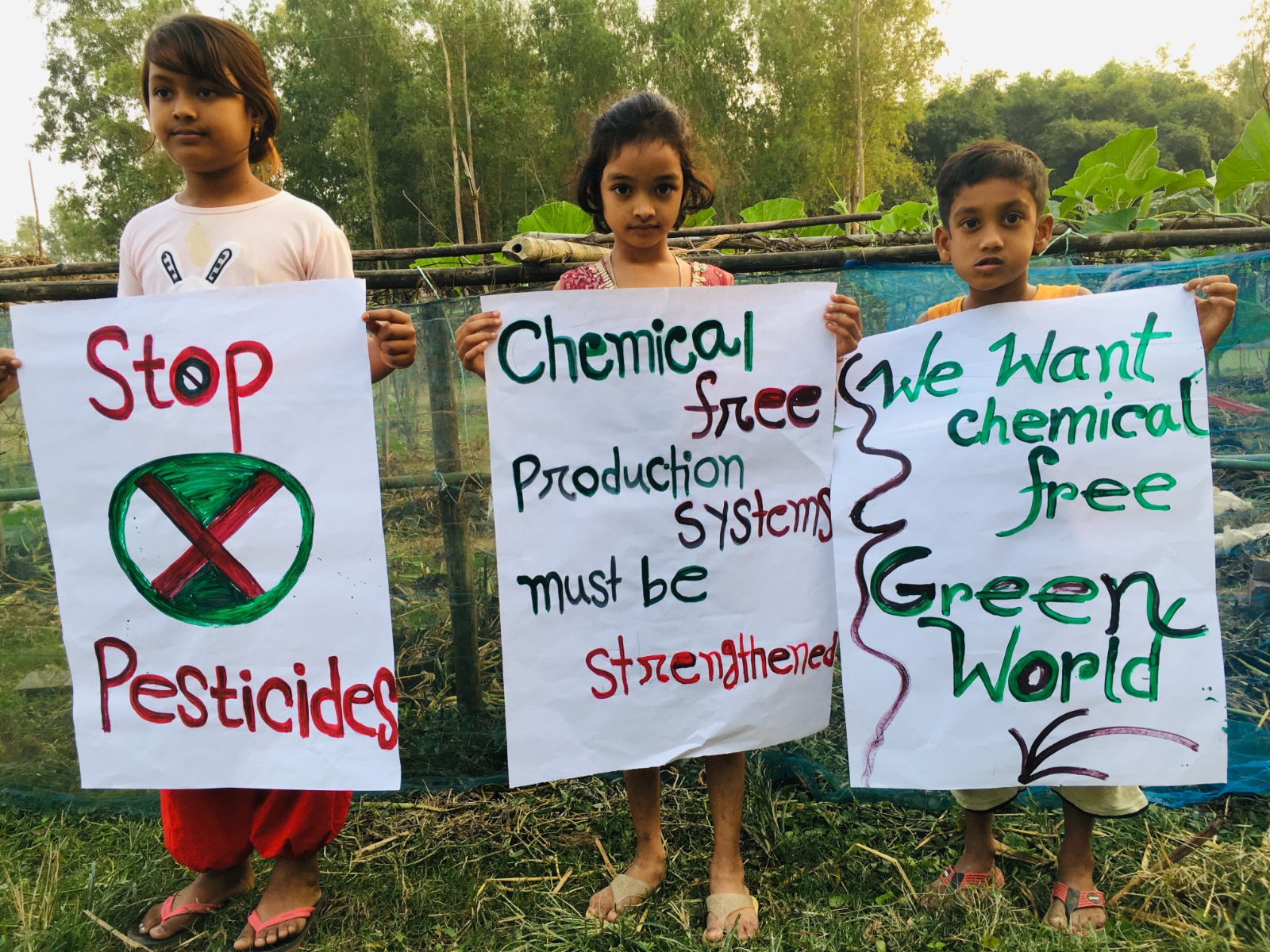
Farmers are often forced to sell a larger portion of their harvest immediately after picking it, usually at lower prices, to repay loans taken out for production. In many cases, the costs of production exceed the selling prices. A significant portion of production costs goes to agrochemical companies, which not only affects farmers’ livelihoods but also has repercussions on their health and public health as a whole.
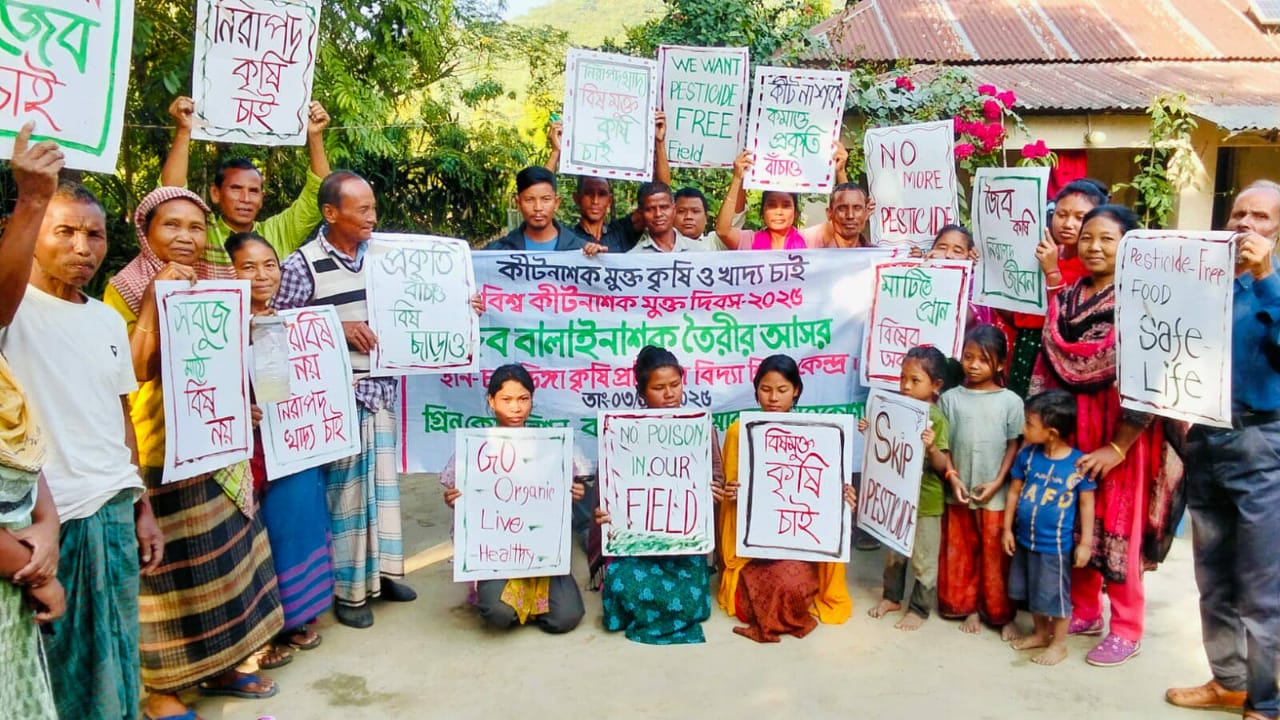
Moreover, the use of pesticides has harmed aquatic resources and polluted the natural environment. As a result, there has been a growing protest against the use of pesticides, and many farmers are increasingly turning to agroecology as a means of ensuring their survival and securing food sovereignty.
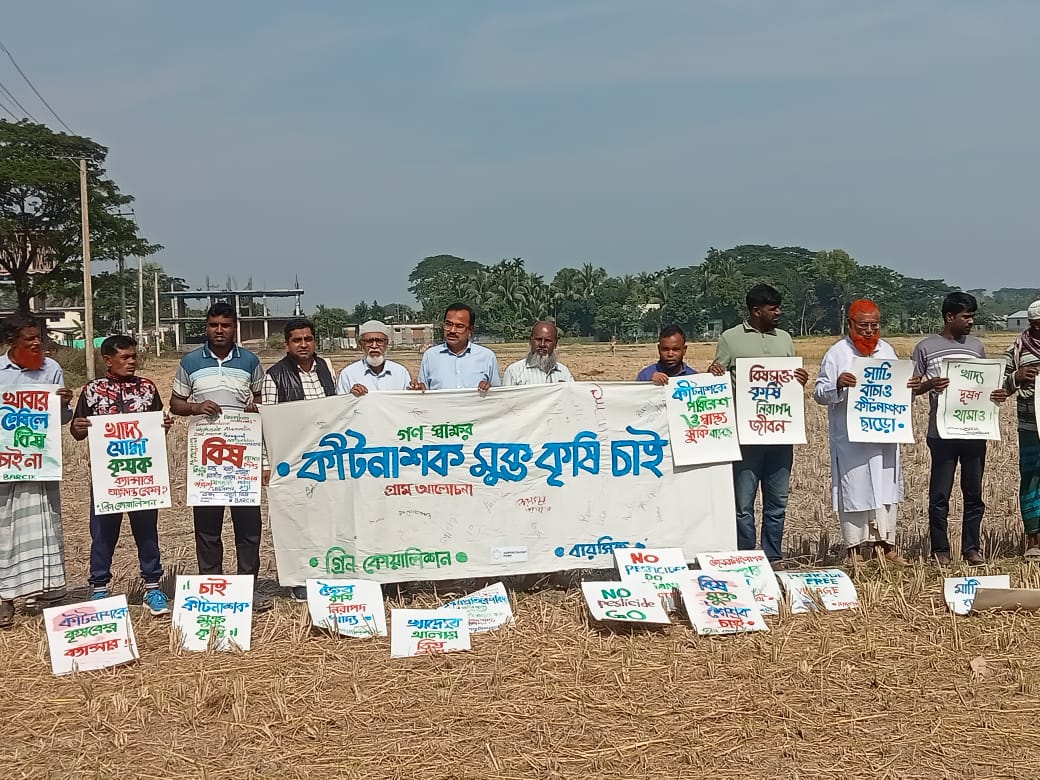
BARCIK has been supporting thousands of farmers across various regions in Bangladesh to practice agroecology for sustainable food production. BARCIK is convinced through its field experiences where agroecology is practiced that Agroecology ensures a viable solution to the climate crisis and promotes food sovereignty.