
By Rukhsana Rumi from Netrokona
Bangladesh is largely an agriculture-based country, and most rural families depend on farming for their livelihood. Enamul Haque (30+), from Mouzebali village in Netrokona Sadar, is a passionate and innovative farmer who has transformed his homestead into a model of biodiversity and sustainable agriculture. He lives with his wife, two daughters, parents, and brothers in a family of eight, owning about 100 decimal (approximately one acre) of land.
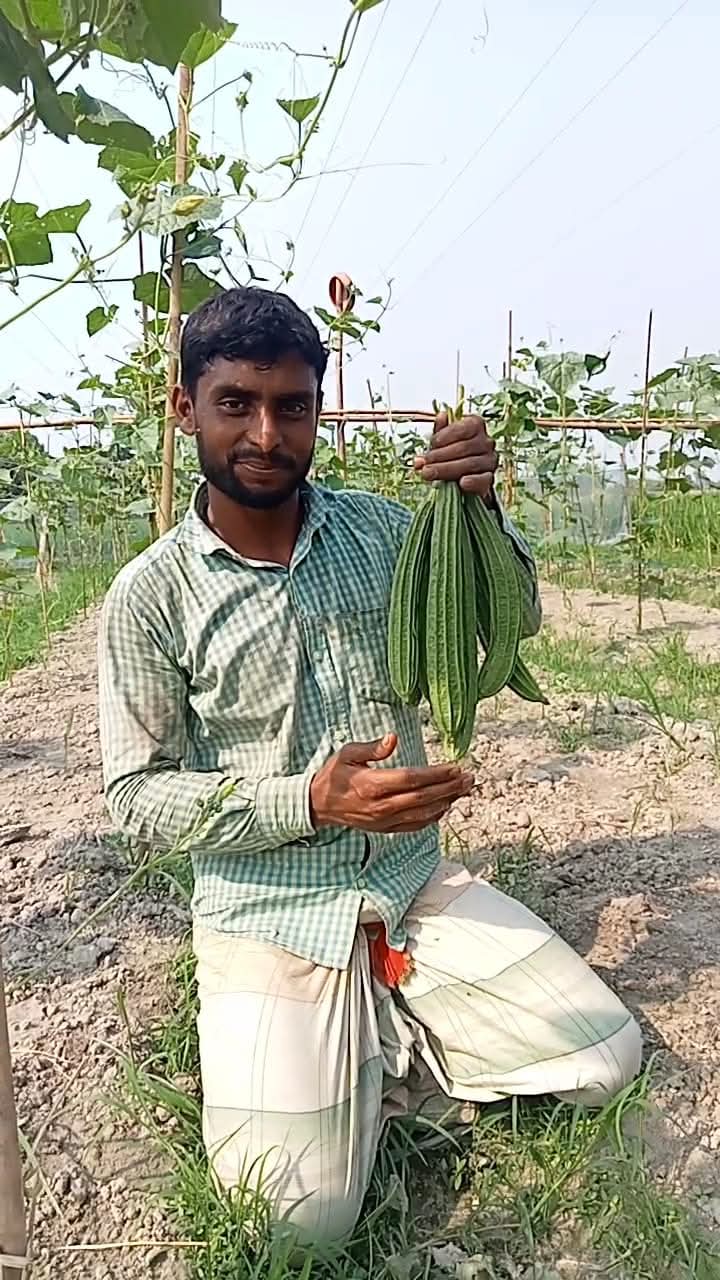
Unlike many farmers who focus mainly on rice, Enamul cultivates a wide variety of seasonal vegetables, spices, mustard, jute, and different rice varieties throughout the year. He never leaves his land fallow. He practices seed conservation, grows local varieties, and manages crop diseases using his indigenous knowledge and organic methods. His early-season vegetables fetch higher prices in the market, and because he avoids chemical fertilizers and pesticides, his produce is tastier and in high demand.
Around his house, he has planted 13 varieties of fruit trees, medicinal plants like neem and mahogany, and raises livestock including cows, ducks, and chickens this enables him to meet most of his family’s food needs from his own farm.
His house has been selected as an Agroecology Learning Center (ALC), where training workshops on local seed conservation and biodiversity farming are conducted. Inspired by his work, five more similar eco-friendly homesteads have been established in the village. He actively exchanges seeds with other farmers and encourages them to reduce dependence on market seeds and chemical fertilizers and pesticides.
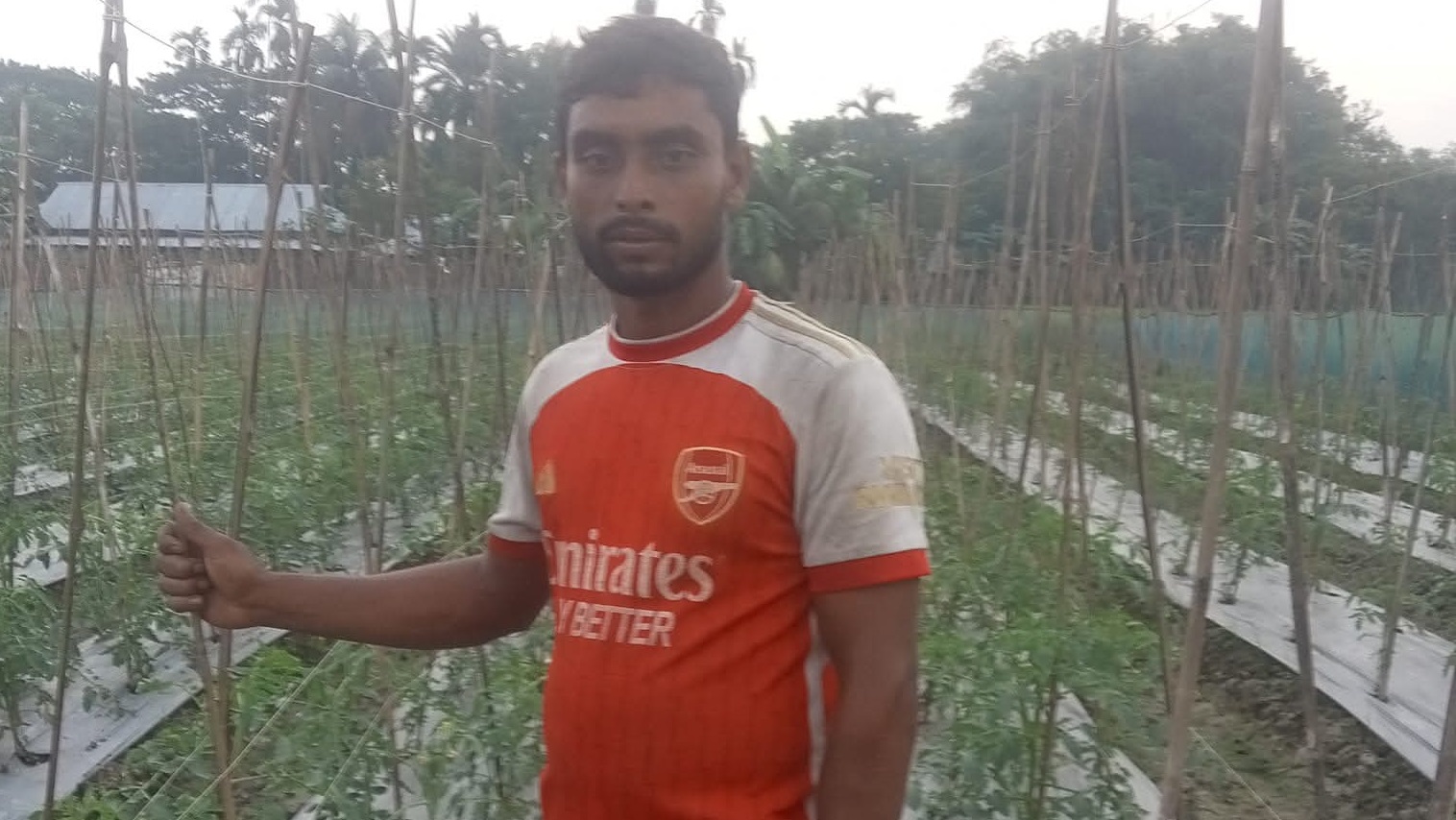
Enamul conserves mustard seeds, 10 varieties of vegetable seeds, and two types of rice seeds. He produces and uses bio fertilizers and herbal pesticides, composting aquatic plants and cow dung instead of using them as fuel. Due to high organic matter use, pest and disease attacks are rare.
As climate change increasingly challenges agriculture, Enamul believes farmers must become self-reliant in seed production and resource management. Expanding crop diversity and mutual seed exchange can strengthen food security, protect biodiversity, and ensure safe, nutritious food for all.