
By Biswajit Mondal from Shyamnagar, Satkhira
World Soil Day was observed in Shyamnagar, Satkhira recently in line with celebrations across the globe. This year’s theme was “Healthy Soils for Healthy Agriculture.” On the occasion, a discussion meeting titled “Our Responsibilities in Protecting Soil Health” was held at the Agroecology Learning Center of farmer Hasina Begum in Hasarchak village of Dhumghat, Ishwaripur Union. The program was organized by the local community and Green Coalition, with support from BARCIK.
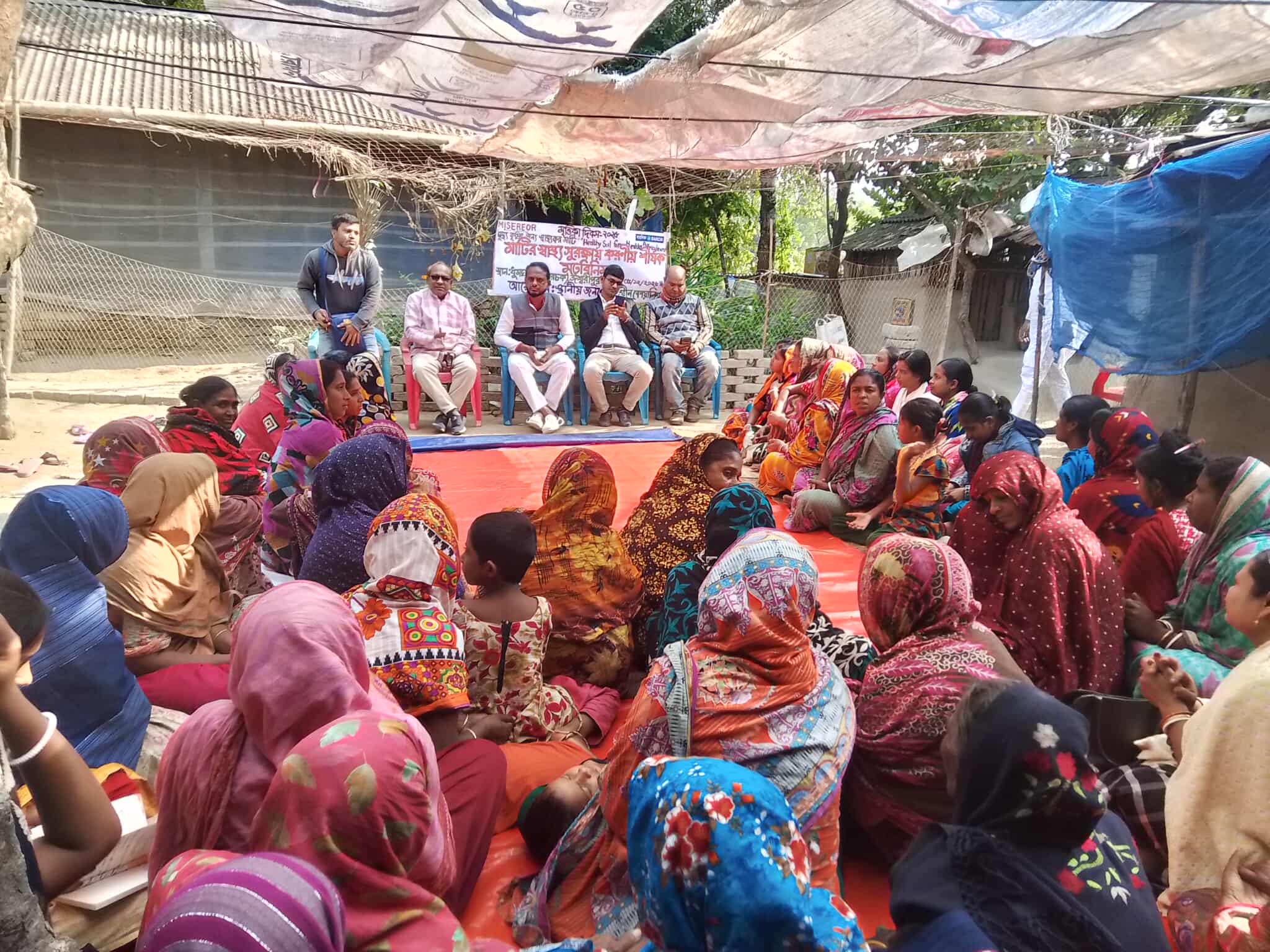
Participants included members of the local community, sub-assistant agriculture officers, local government representatives, Sundarbans Student Solidarity Team, Green Coalition members, journalists, and development workers. Speakers included farmer Champa Majhi, Hasina Begum, Kanika Rani, BARCIK official Ramkrishna Joardar, Monika Rani, Barsha Gain, journalist Ranjit Barman, Sub-Assistant Agriculture Officer Rajib Bachar, and students Hima and Dhumita, among others.
Alpona Rani said, “If soil survives, crop production will increase. To maintain soil health, we must use organic fertilizers and biopesticides. We can prepare compost from household materials and natural ingredients. This will ensure poison-free food and reduce health risks.”
Journalist Ranjit Barman said, “Human beings and all living creatures originate from soil. If our behavior toward soil is harmful, soil will also respond negatively. When soil is degraded, its productivity declines. Protecting soil is essential for ensuring safe and sustainable food systems. The importance of soil for healthy agriculture is immense.”
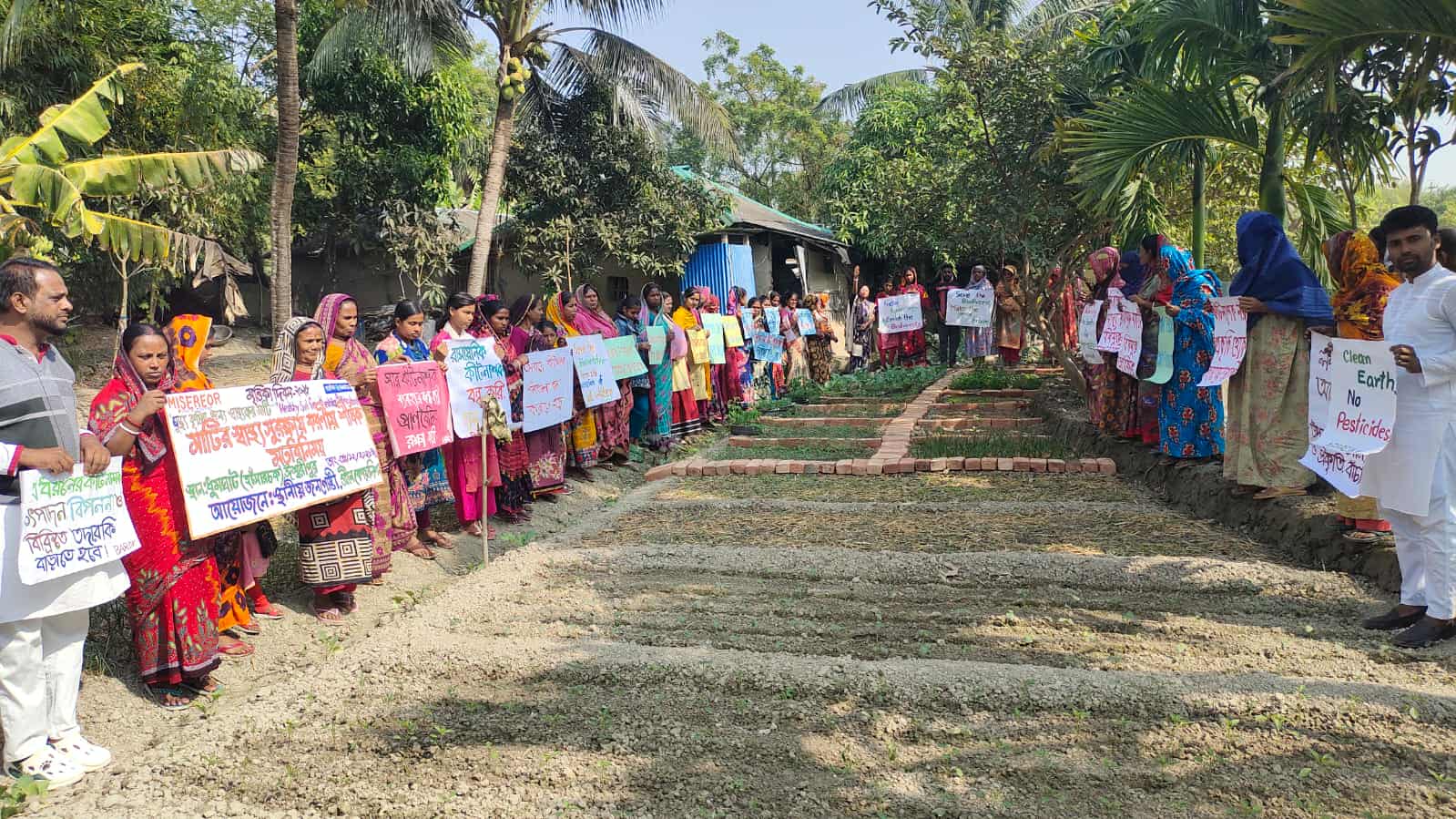
The speakers further said that soil health is under constant threat due to climate change and various human activities. Bangladesh, being an agriculture-dependent country, relies on soil for food security, nutrition, livelihoods, and the national economy. However, excessive use of chemical fertilizers and increasing population pressures have made the protection of soil and water a major challenge.
They warned that once-fertile “golden” soil is gradually becoming barren. Without urgent awareness and long-term planning to protect and restore soil health, living on this land may become increasingly difficult in the future. On the occasion of World Soil Day, the speakers called for collective action to protect soil, prevent pollution, and build a green and sustainable future for the next generation.