
By Amit Sarker from Rajshahi
Karigarpara village in Paba upazila of Rajshahi is a well-known vegetable-growing area, with crops cultivated throughout the year. Recently, farmers have started shifting from heavy reliance on chemical fertilizers to organic alternatives like vermicompost.
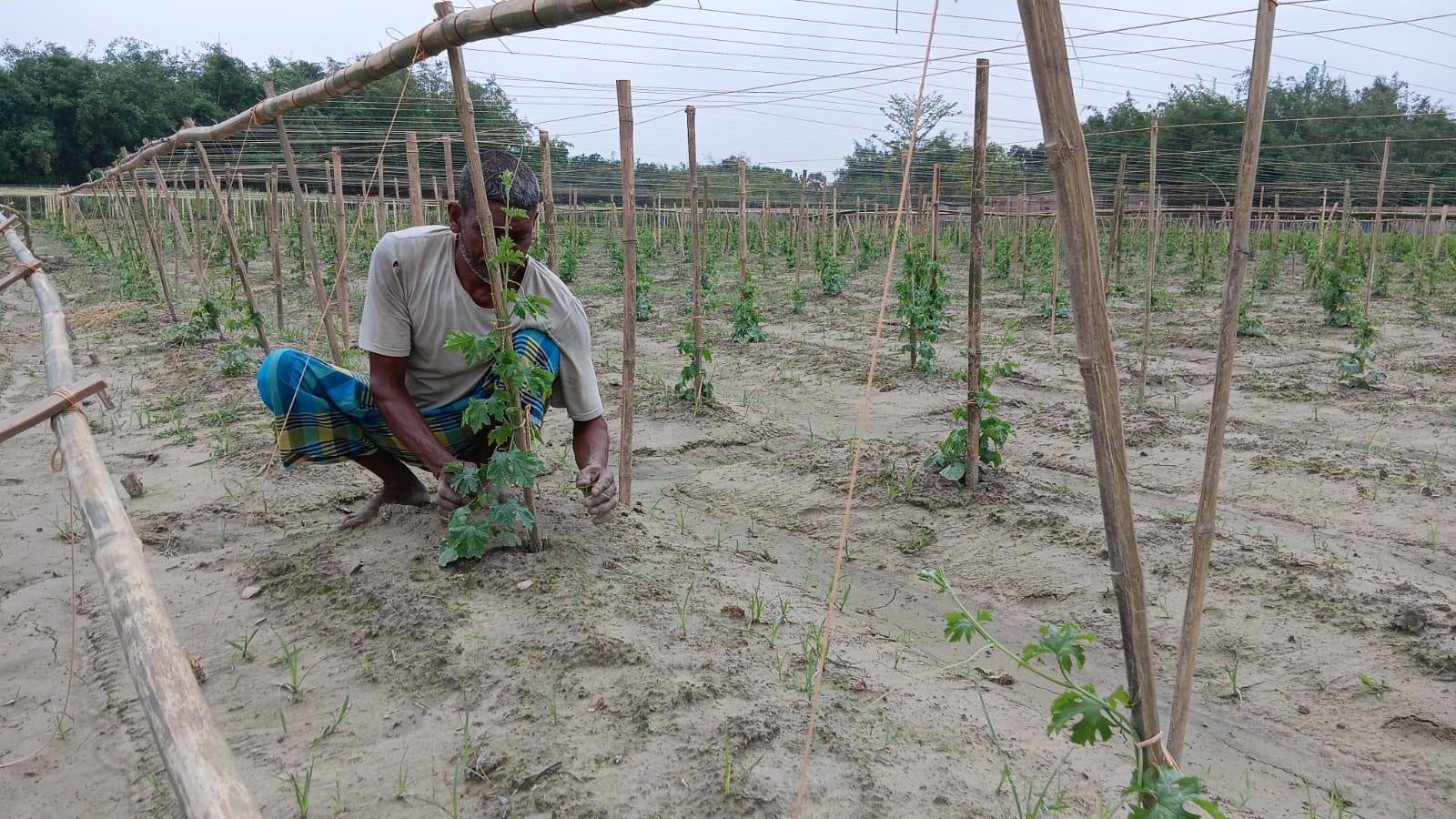
Farmer Rabiul Islam, who cultivates about 5 bighas of leased land, experimented with vermicompost this year. He applied 50 kg per bigha and reduced chemical fertilizer use by half. The results were noticeable. He observed that plants grew faster, stems became stronger, and vines spread more effectively compared to nearby fields.
Encouraged by his success, other farmers are showing interest. Abdul Razzaq, with over 20 years of farming experience, said he was impressed by the visible differences and plans to adopt vermicompost himself.
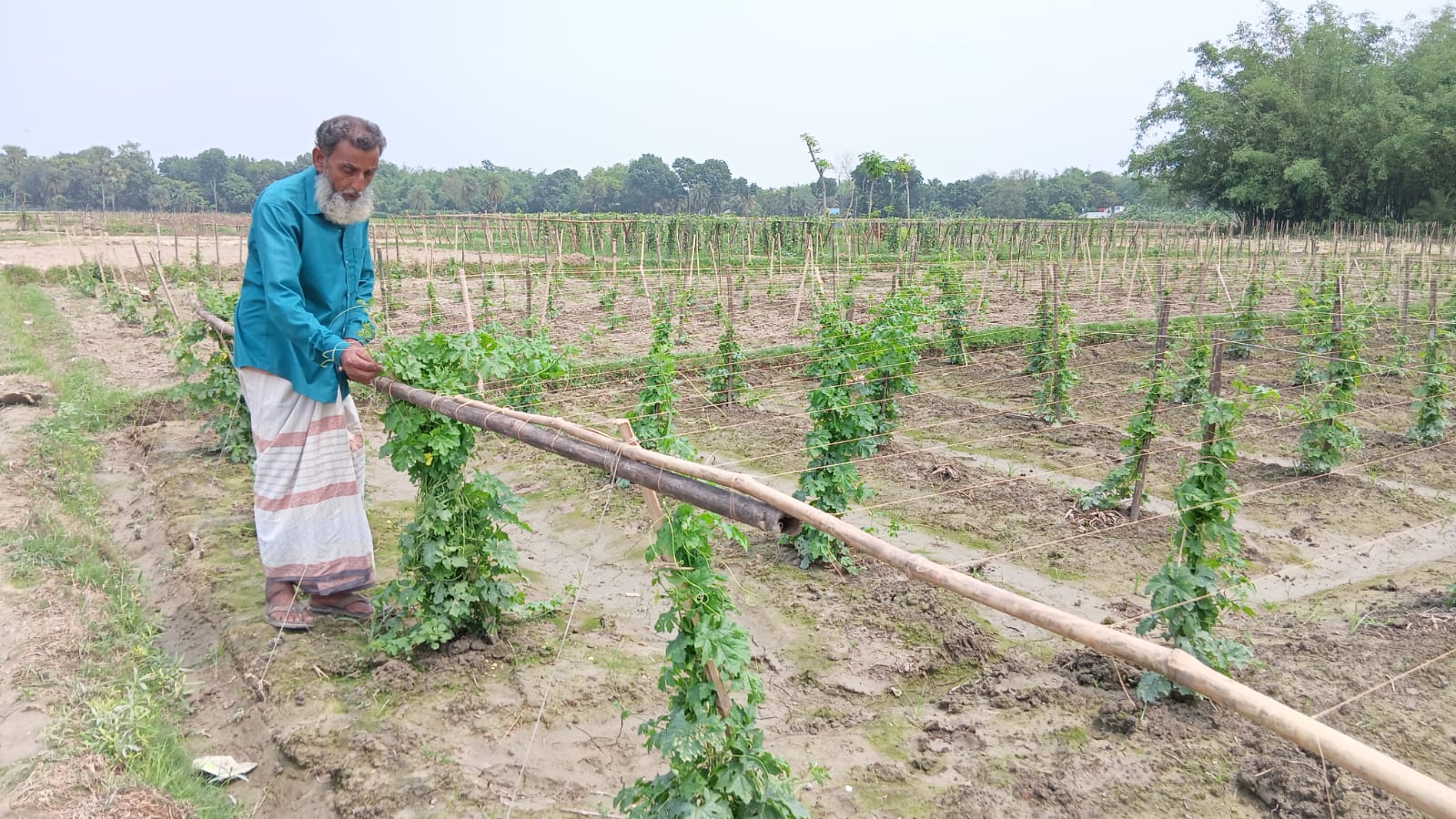
Another farmer, Akhtar Ali, used vermicompost on his potato field and reported an increase of 2–3 sacks in yield. He also observed better growth in subsequent crops like bitter gourd and ridge gourd.
These experiences highlight the importance of soil health. Excessive use of chemical fertilizers damages soil structure, reduces biodiversity, and lowers long-term fertility. In contrast, vermicompost improves soil quality, enhances water retention, and helps plants to absorb nutrients more effectively.
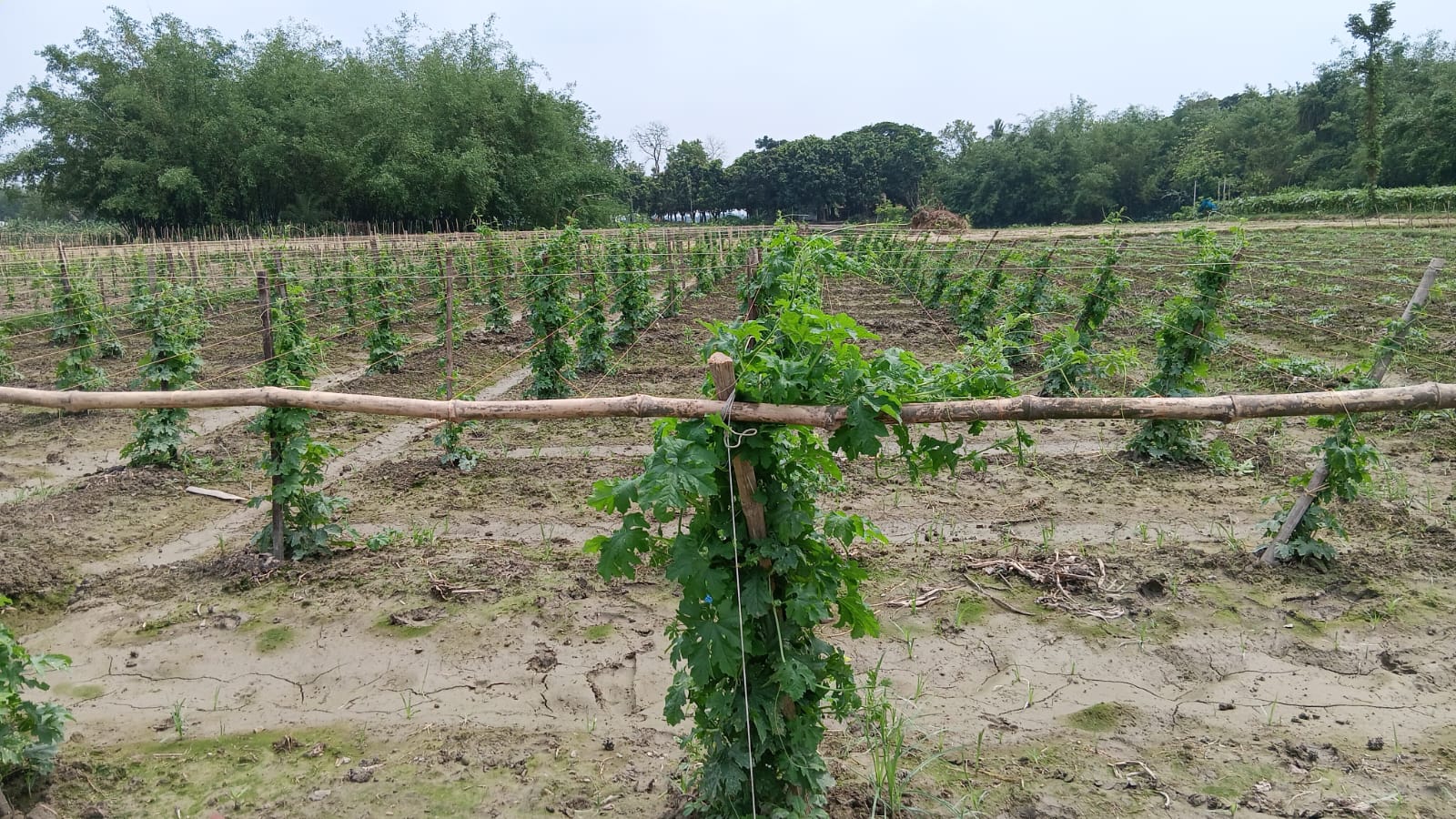
Experts emphasize that the nutritional value of crops depends on the health of the soil. Farmers in the area are now realizing that sustainable practices increase production and improve food quality and environmental sustainability. This growing shift toward organic farming represents a promising step toward safer food production and long-term agricultural resilience.