
By Amit Sarkar from Rajshahi
The slums built along railway lines and empty government land on the edges of Rajshahi city which were once places of very hard living. People faced overcrowding, unhealthy conditions, little space, and daily uncertainty. Life was very difficult. But now, things are slowly changing. Places that were once unused like small yards and rooftops are turning green and useful.
This change is supported by BARCIK through its “Urban Resilience” project in 14 slums. Because of climate change, many people are moving from villages to cities, and slums are growing. These people often struggle to get enough food, nutrition, and income.
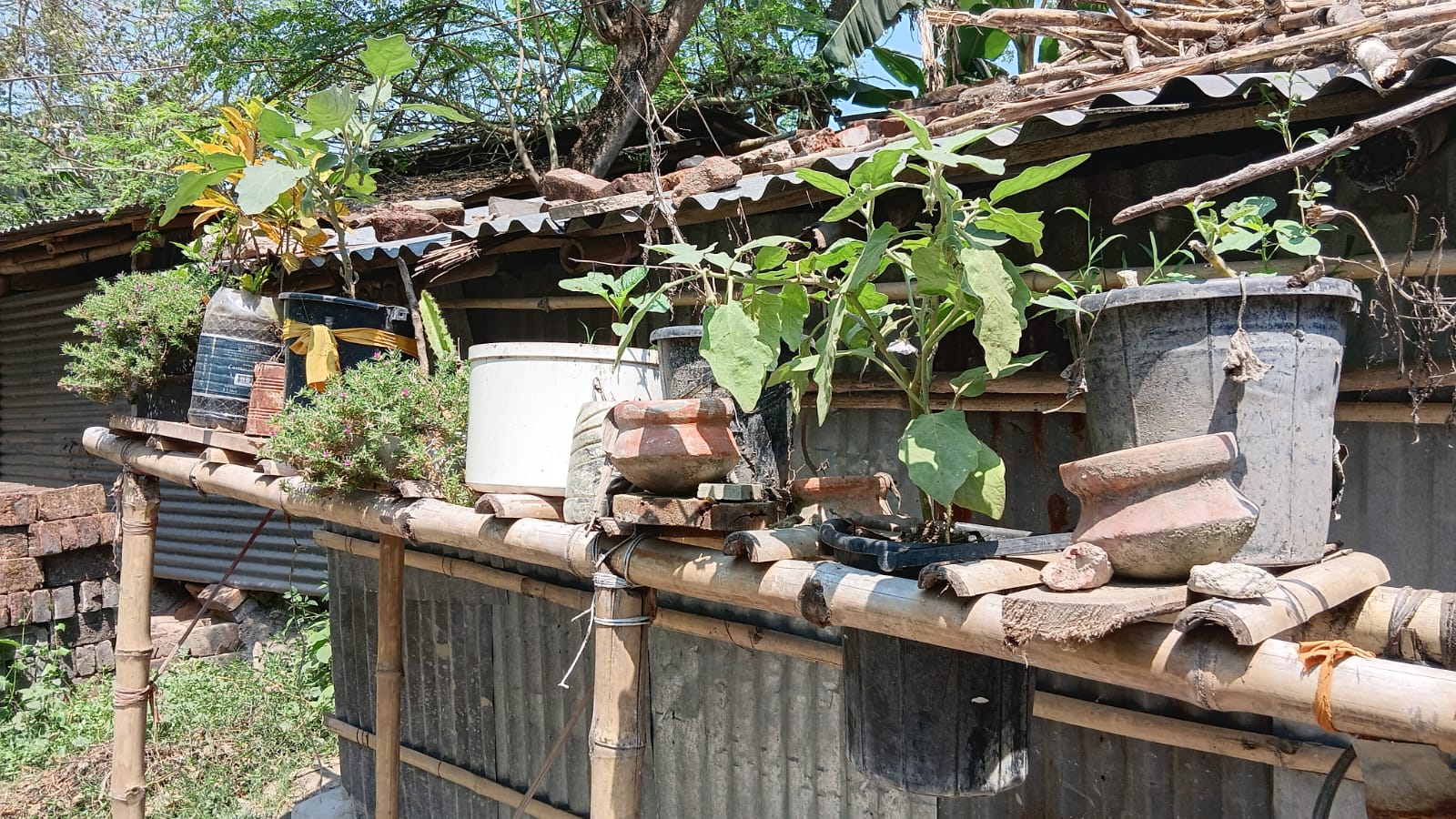
Urban farming is helping solve these problems. At first, people thought it was not possible to grow crops in such small spaces. But with training, discussions, and seed support, they started trying. Now, many people grow vegetables in small areas beside their homes, in pots, sacks, and even on rooftops.
Latifa Begum from Budhpara slum said that she lost her house due to river erosion and moved to the city. She never thought she could grow vegetables near her house. But after getting advice, she started farming. Now she grows many vegetables like bottle gourd, pumpkin, chili, eggplant, and tomato. Her family eats them, and she sells the extra for money.
She also said that now many people in the slum grow vegetables. They talk to each other, share ideas, and exchange seeds. Before, people often argued over small issues, but now those problems have reduced.
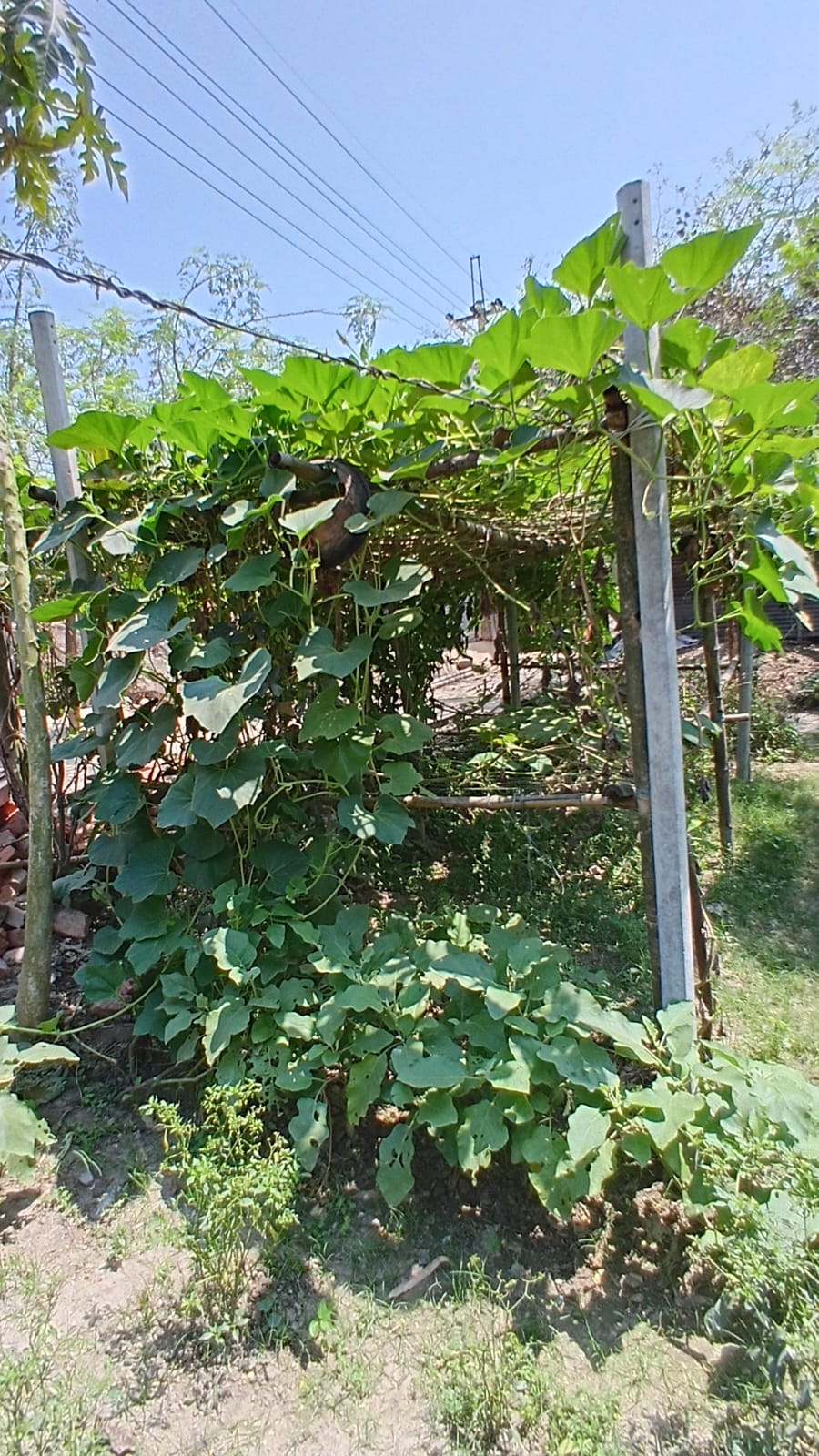
Golapi Begum from another slum grows vegetables on her roof using sacks. She said this helps her to have vegetables all year. It also keeps her house cooler in summer and warmer in winter. This change is spreading to other slums nearby. Many people are now growing vegetables in small spaces. They use unused land and turn it into green gardens.
People like Peyara Begum, Josna, Marzina, and Hasina Begum are also farming. They use the vegetables for their families and sell extra to earn money. For some, it helps with food; for others, it brings income and hope. Urban farming is also improving relationships between people. Before, there were more conflicts. Now, people help each other, share seeds, and discuss farming together.
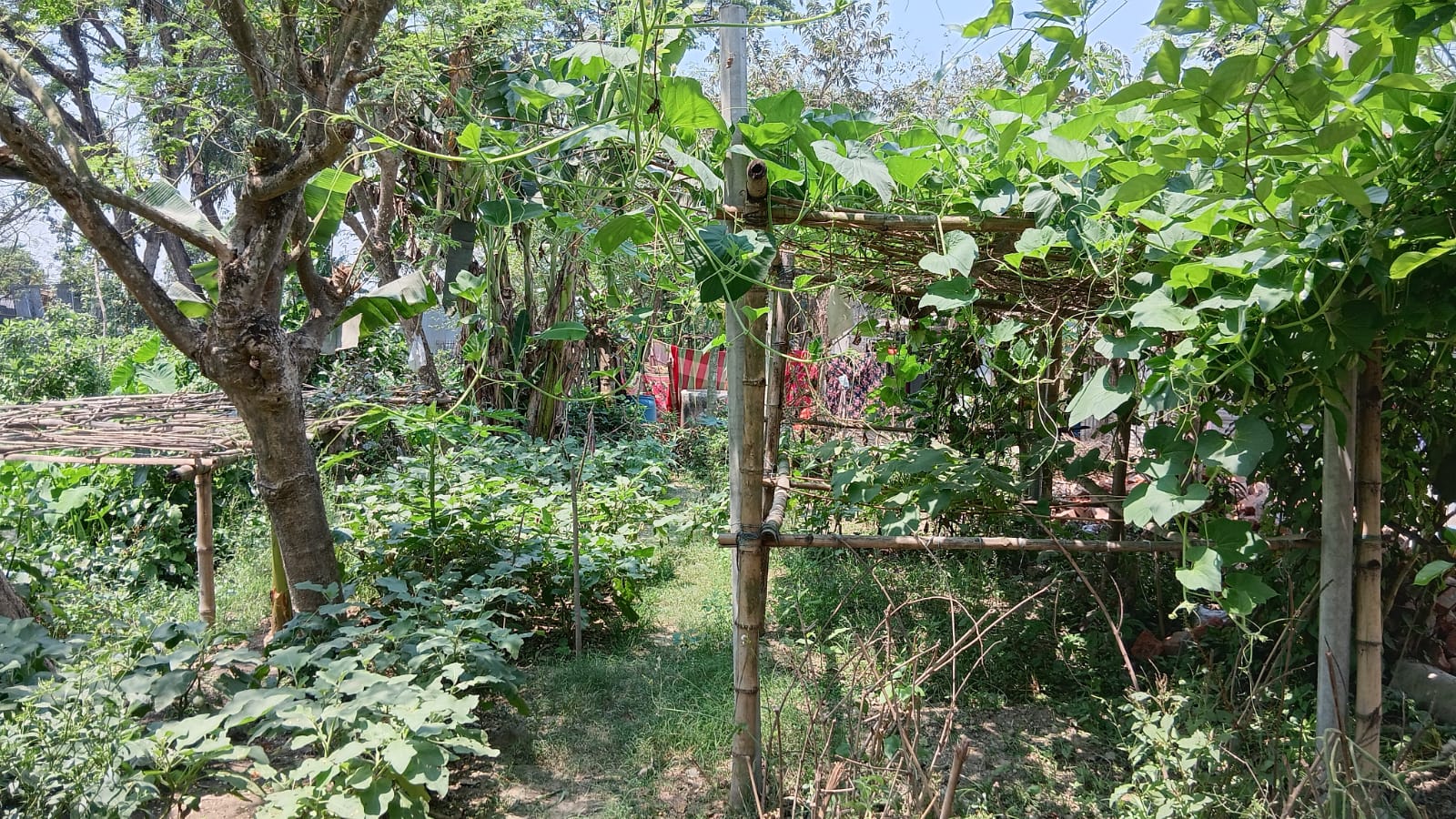
Rahela Begum said that earlier people in the slum did not talk much. But after starting farming, they communicate more, share vegetables, and support each other. Their relationships are now better. This work is also good for the environment. Cities have problems like heat, pollution, and lack of greenery. These small gardens help clean the air and reduce heat, making life more comfortable.
In a country like Bangladesh, where land is limited, using small spaces wisely is very important. Urban farming can improve food security and people’s lives. The changes in Rajshahi’s slums may be small, but they are very meaningful. These green efforts show that with support and opportunity, even poor and limited spaces can create a better and more hopeful future.