
By Rina Akter, from Singair, Manikganj
Establishing gender equality is not the work of a single individual; it requires collective understanding and coordinated effort across all levels of society. Real change occurs when individuals, families, communities, institutions, and organizations come together to promote fairness and justice. Men and women, youth and elders, religious leaders, teachers, and civil society representatives all have a role to play in fostering equality.
BARCIK, a non-governmental research and development organization, believes that the beneficiaries of development are the true agents of change. By involving communities directly in planning, decision-making, and implementation, BARCIK strengthens local capacities, harnessing knowledge, skills, and collective wisdom to empower communities to lead their own development process.
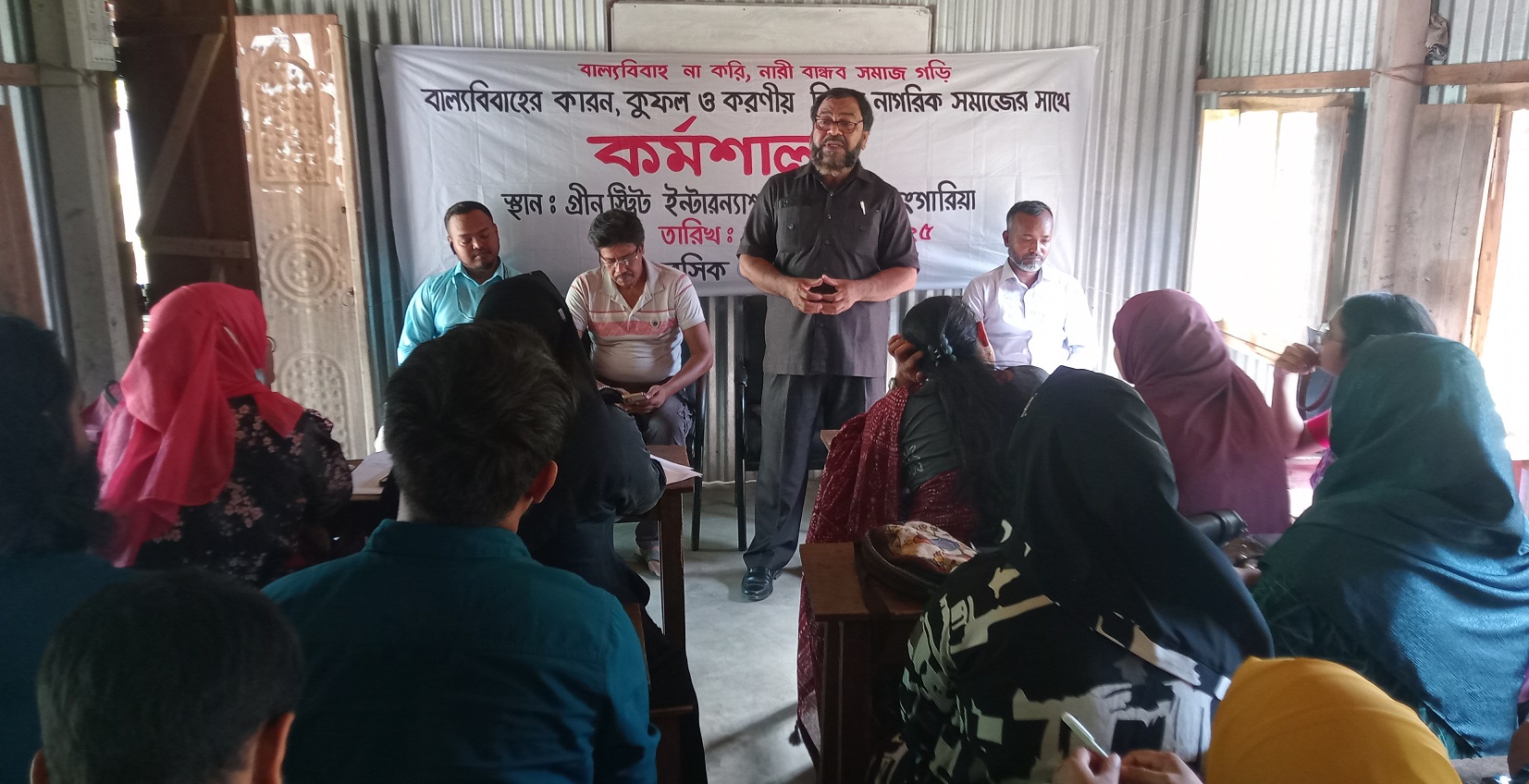
In Singair, Manikganj, BARCIK has been actively promoting gender equality for many years. Its initiatives engage schools, adolescent groups, youth organizations, women’s groups, and community members through a range of activities, including workshops, seminars, village sports, dialogues, and awareness campaigns. These programs focus on understanding gender issues, reducing gender-based violence, and encouraging proactive measures to prevent exploitation.
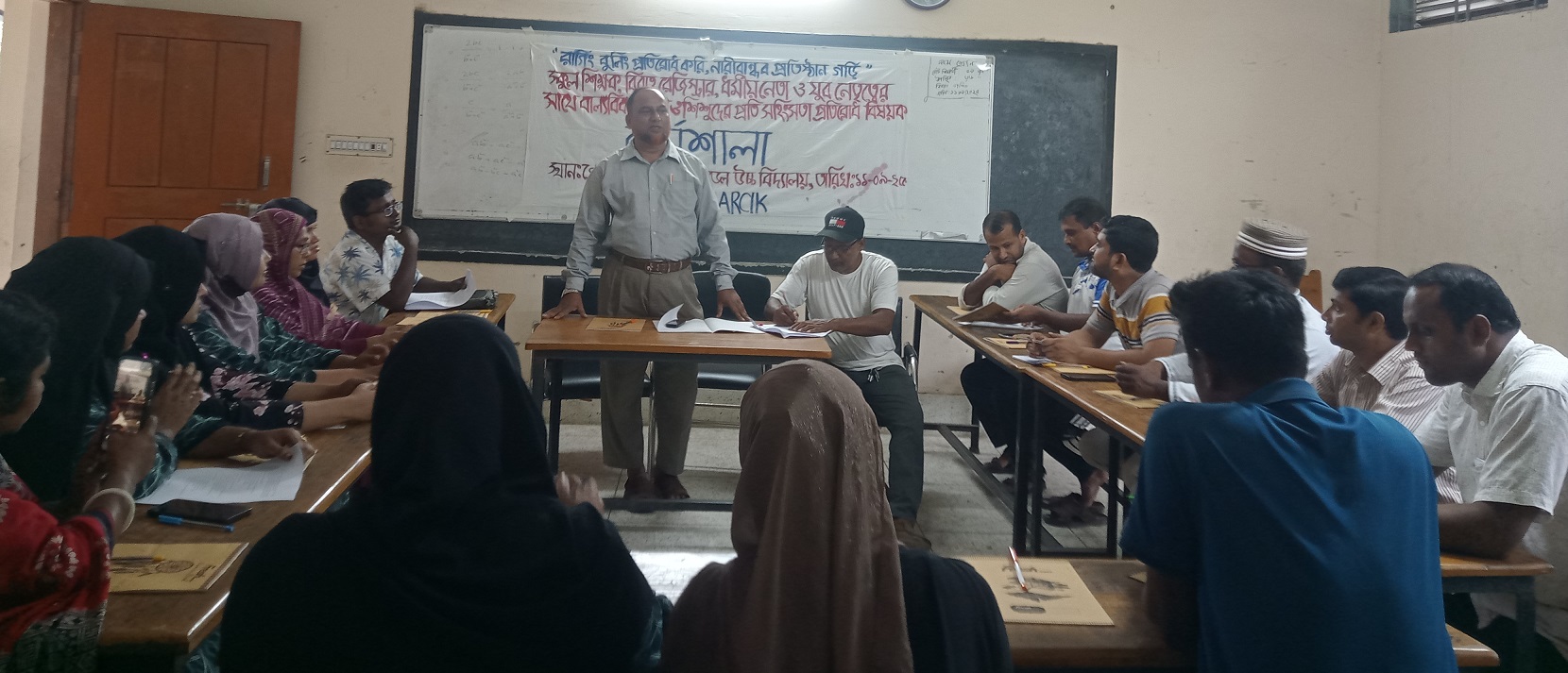
Since 2023, preventing child marriage has been a key focus. BARCIK has worked closely with teachers, marriage registrars, religious leaders, and youth leaders in six secondary schools across Singair municipality and Bayra Union. Around 180 participants have participated full-day workshops addressing strategies to prevent child marriage and violence against women and girls. Initially, teachers were only engaged with students, but it became clear that their role is crucial in shaping societal norms. Teachers provided academic guidance and moral education, helping students internalize values of gender equity and respect.
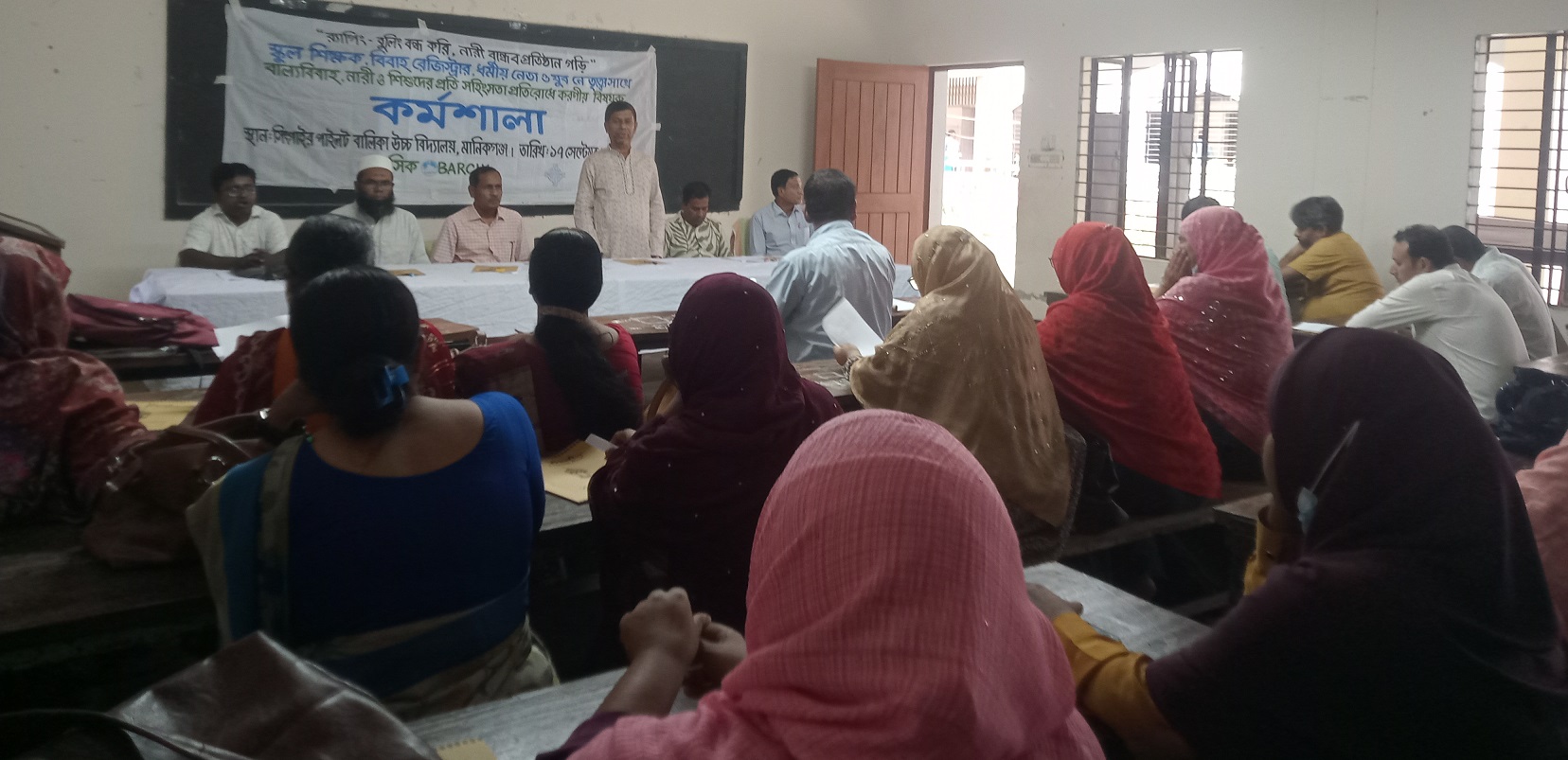
Through consistent engagement, relationship-building, and training, school teachers have now become focal points for preventing child marriage and gender-based violence. They monitor student attendance, identify at-risk students, and serve as immediate contacts for reporting abuse, alongside government service numbers. Notable focal persons include Abu Bakar Siddiqui, Selim Hossain, Protima Rani Biswas, Saif Sujan, Sujan Mahmud, and Prabhat Government.
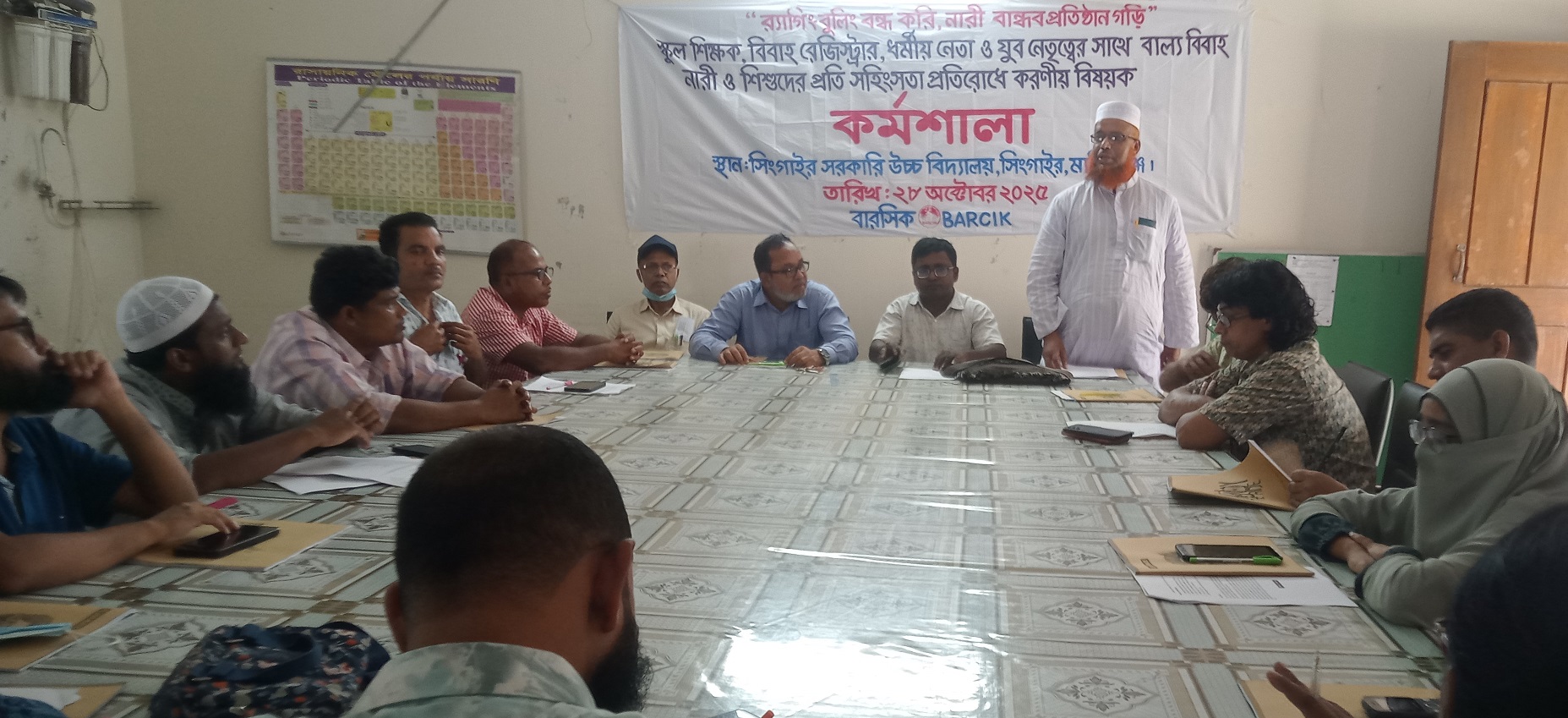
Today, these teachers actively organize workshops, share knowledge with peers, and participate in decision-making that informs BARCIK’s future plans. Their awareness and commitment have grown significantly, and through initiatives like the Green Coalition, networking, and community mobilization, they are now recognized as key partners in social change. Their involvement ensures that efforts to prevent child marriage, protect women and girls, and promote gender equality in Singair are sustainable, inclusive, and community-led.