
Rina Akter from Singair, Manikganj
Human life is a constant struggle against challenges. Today, the greatest threat is climate change. While climate change is natural, human activities are accelerating it. Its impacts include floods, droughts, excessive rainfall, storms, waterlogging, and rising temperatures. The poorest communities are the most affected, especially farmers.
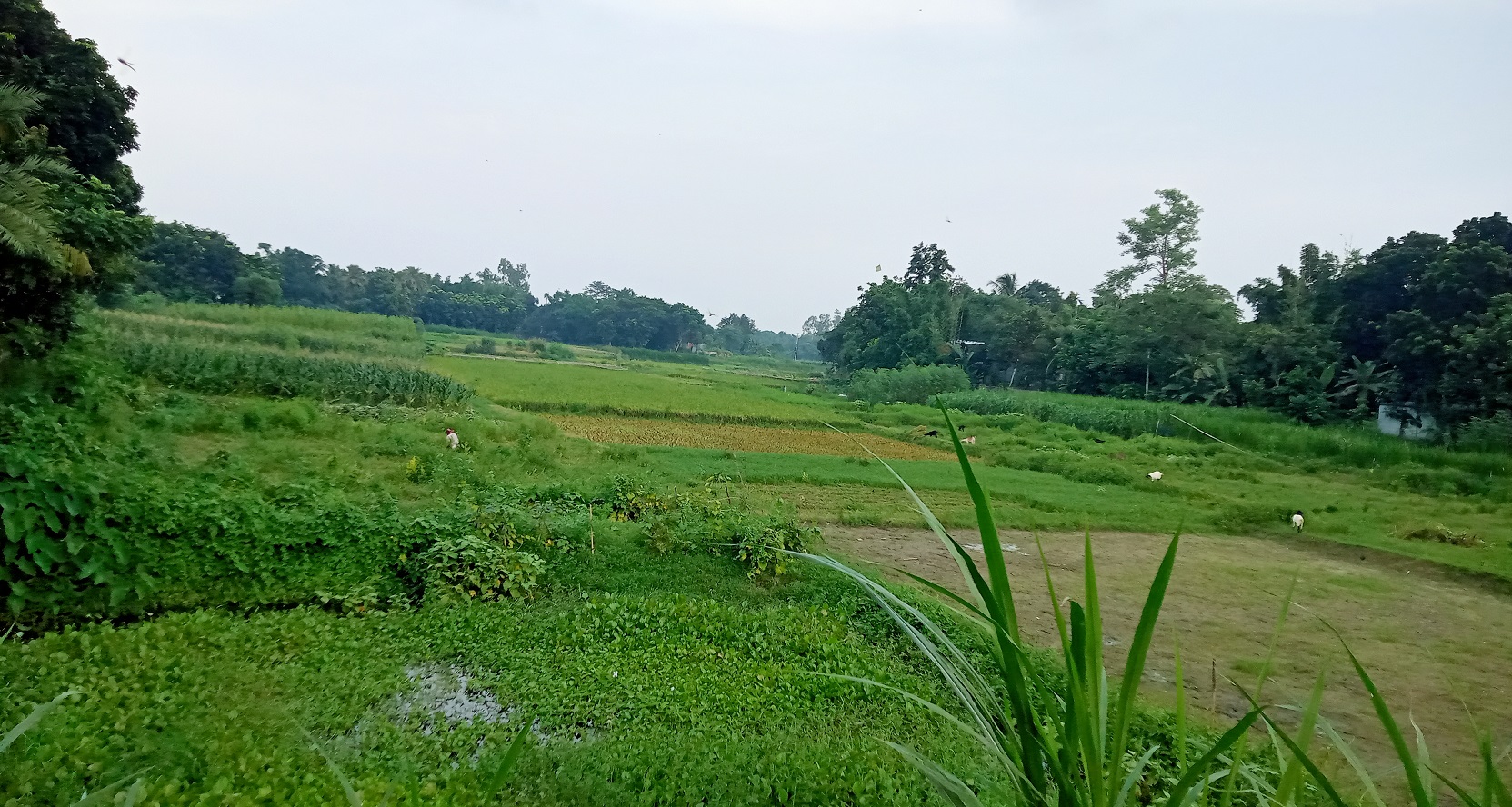
This is the story of Ayub Ali, a 67-year-old farmer from Niltak village in Singair. Once a fisherman, he lost his livelihood as local canals dried up. After working abroad unsuccessfully, he returned to farming. He recalls the devastating floods of 1988 and 1998, when his family struggled to survive. Over time, he learned to prepare for disasters with food storage and flood adaptations.
Today, climate change has altered everything. Rivers have dried, water is scarce, extreme heat affects both humans and livestock, and crop losses due to fog and irregular weather are increasing.
He said, “The canal that once looked like a river is now almost dead. There is no water even during the rainy season. I don’t know where to soak my jute. The heat has caused blisters on my body, and even my cows are suffering.”
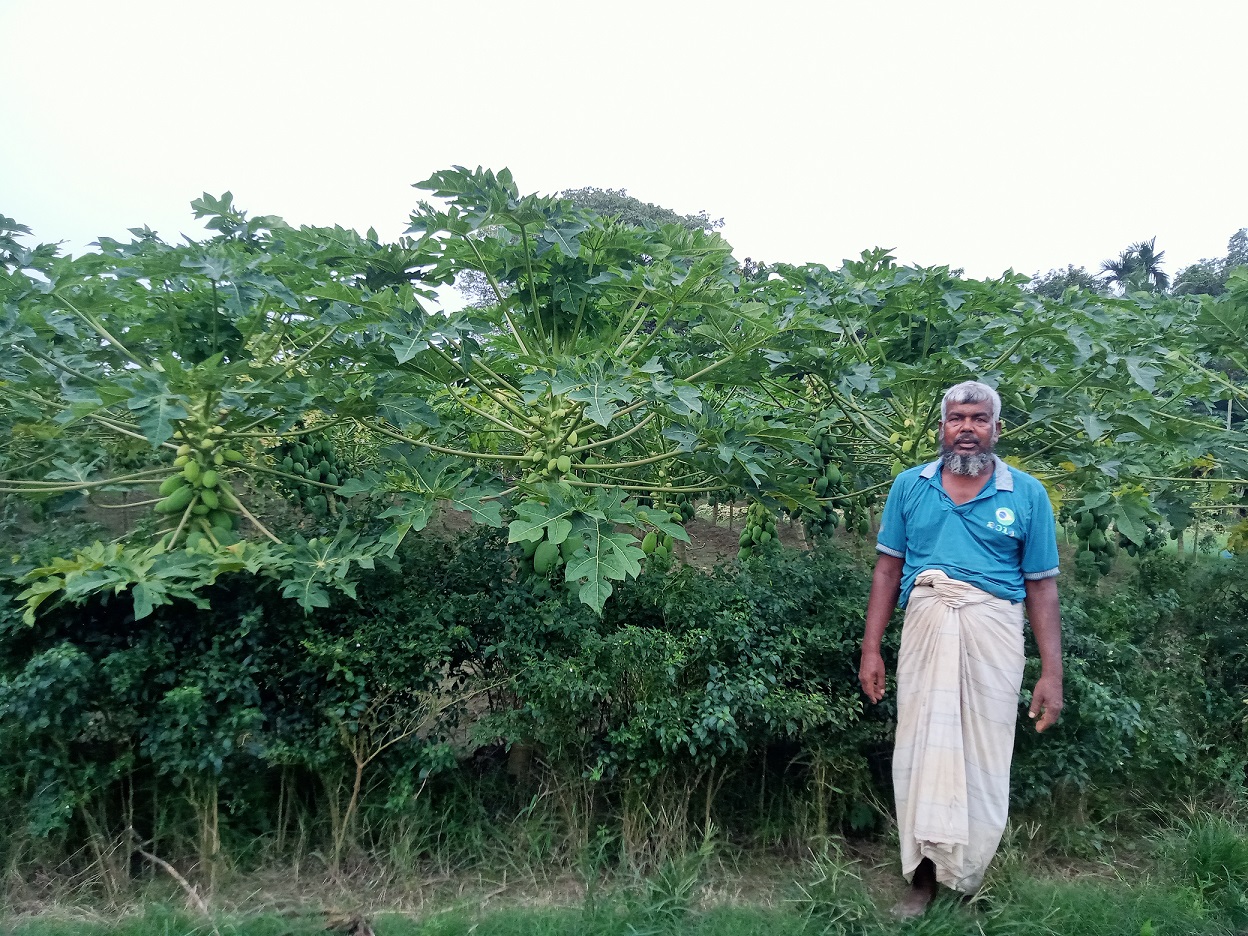
He also said about the disappearance of seasonal patterns and traditional crops. He said, “Date palm trees have declined, reducing the availability of natural sap and molasses.”
He went on saying, “In the past, we grew different crops in different seasons. Now everything has changed. The earth is no longer the same.”