
By Barsha Gain, from Coastal Region
Archana Rani Mondal, 44, a woman farmer from South Srifulkati village in Ishwaripur Union of Shyamnagar Upazila, Satkhira, has become a role model in her community through the conservation of local seed varieties and agroecological farming practices. Living with her six-member family, she has established a seed bank at her homestead. Her initiative has reduced farmers’ dependence on purchased seeds and contributed to conserving local agricultural biodiversity, promoting safe food production and strengthening cooperation among farmers.
From chemical-dependent to agroecological farming
In the past, Archana Rani depended on market-purchased seeds and paid little attention to conserving seeds for the next cropping season. Consequently, she had to spend money on seeds every year, along with additional time and transportation costs travelling to Shyamnagar. However, her involvement with BARCIK gradually transformed her understanding and practices of agriculture. Through BARCIK’s guidance, training sessions, discussions and experience-sharing with farmers from different areas, she realized that conserving local seeds was not merely a way to save money; it was also essential for farmers’ independence, food sovereignty, food security and agricultural biodiversity. Inspired by this understanding, she began producing and conserving seeds on her own land, using organic fertilizers and cultivating different local crop varieties.
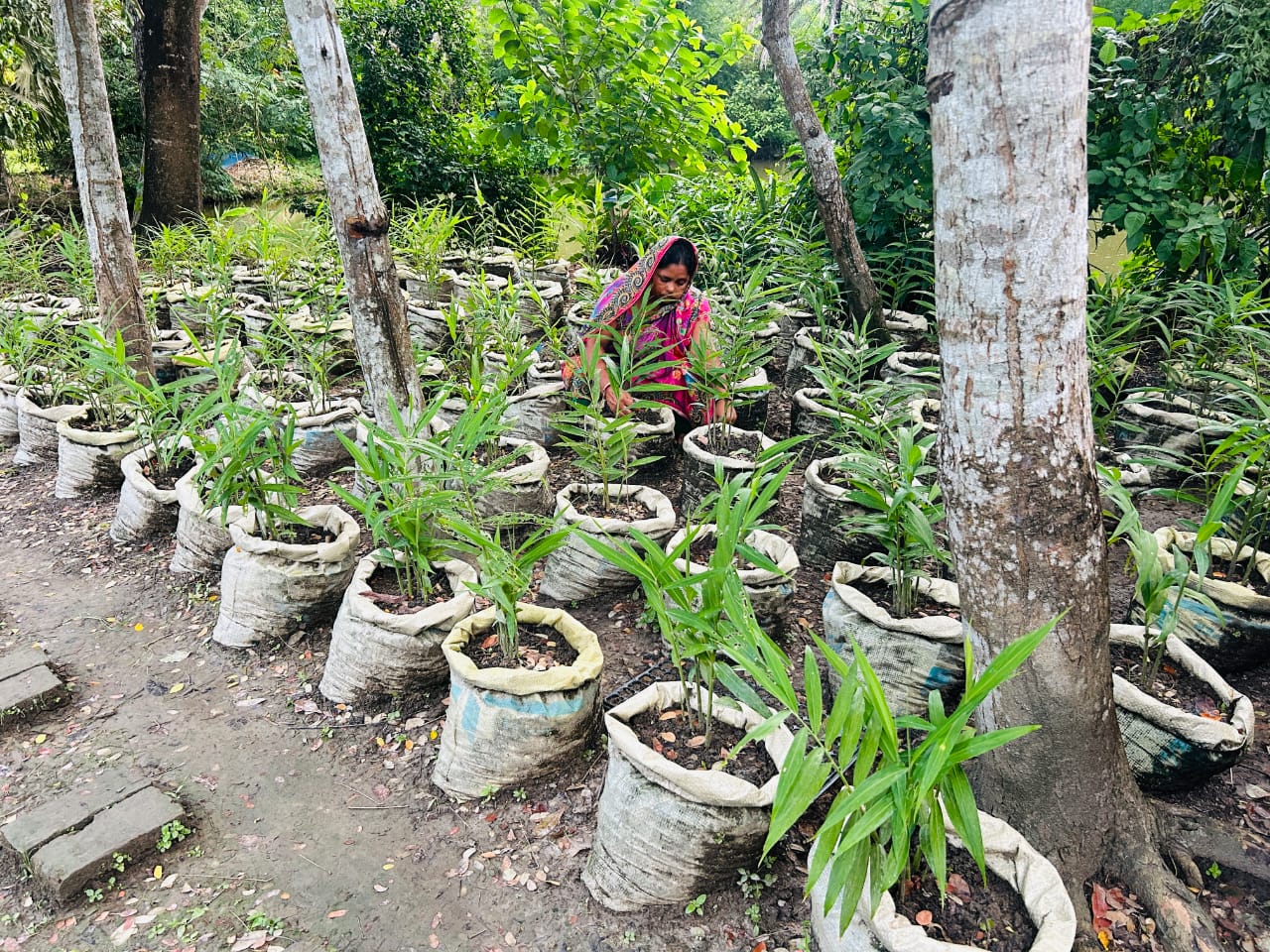
A diverse seed bank at her homestead
Archana Rani’s seed conservation initiative has now grown beyond meeting her family’s needs and developed into a farmer-led seed bank. Her collection currently includes seven local rice varieties and approximately 140 varieties of local vegetable seeds. She conserves seeds suitable for the winter, monsoon and Rabi seasons and distributes them free of charge or through seed exchanges among neighbours, relatives and fellow organizational members. This year alone, 350 people have collected vegetable seeds from her seed bank. Inspired by her example, many farmers who previously showed little interest in seed conservation have started conserving seeds at their own homes. This has improved access to local varieties while strengthening a culture of seed exchange and mutual cooperation. According to Archana Rani, having seeds in their own hands enables farmers to choose crops and make independent cultivation decisions according to their needs. It also reduces dependence on commercial seed markets and helps them resume cultivation after adverse weather or disasters. Based on her experience, her dependence on market-purchased seeds has decreased by approximately 90%.
Agricultural income, savings and household food security
Local seed conservation and agroecological practices have positively influenced her family’s economic well-being. Previously, she spent around Tk 3,000–4,000 annually on purchasing seeds. By using her own conserved seeds, she has significantly reduced this expense. She also reports lower production costs through local vegetable cultivation and organic fertilizer use. Sharing her experience, Archana Rani said, “Conserving local seeds has brought economic benefits to my family. Earlier, I had to spend money buying seeds every year and travelling to Shyamnagar. Now I can use my own seeds. Alongside increasing our income from agricultural production, I can also ensure safe and nutritious food for my family.” According to her estimates, her family earns approximately Tk 50,000 annually from rice sales, Tk 35,000 from fish and Tk 15,000 from vegetables. They also earn around Tk 100,000 annually from cattle sales and approximately Tk 10,000 from poultry rearing after meeting household needs. These diverse sources of income reflect her family’s multifunctional, agriculture-based livelihood.
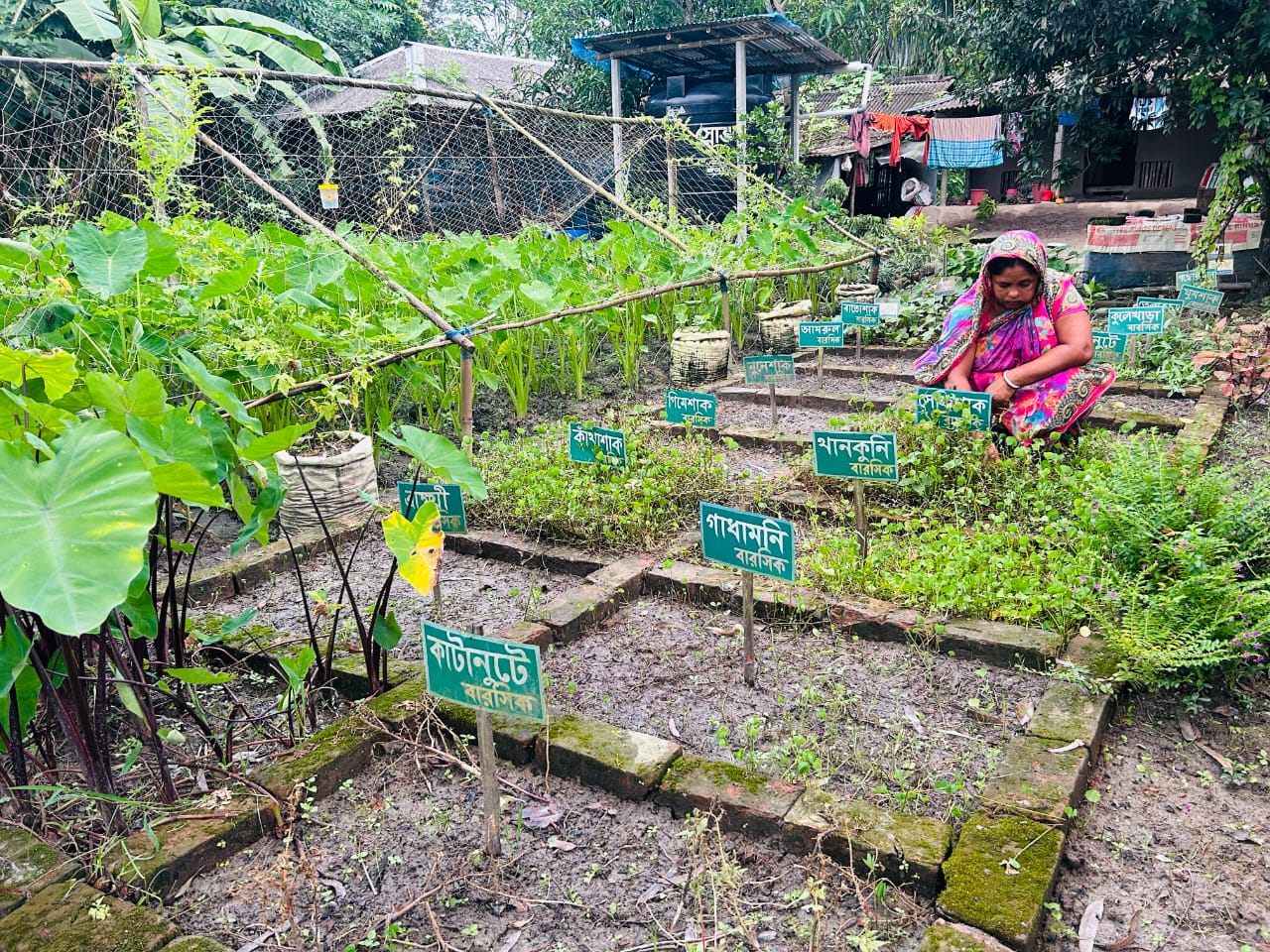
From individual initiative to collective change
Archana Rani’s achievements extend beyond her household. Inspired by her ecological farming practices, 20 local farmers have started producing vermicompost. She has also helped establish the 40-member Srifulkati Farmers’ Development Organization, which promotes experience-sharing, the use of local resources and environment-friendly farming practices. She involves her children in agricultural activities so that the younger generation can learn about local seeds and traditional farming practices. She believes that when farmers have their own seeds, they can restart cultivation even after disasters and other difficult circumstances.
An inspiring example of farmers’ self-reliance
Archana Rani Mondal’s experience demonstrates how conserving local seeds, using organic fertilizers, protecting agricultural biodiversity and encouraging cooperation among farmers can strengthen sustainable agriculture and household food security in coastal communities. What began as a seed bank at one woman farmer’s homestead has become a centre for seed access, learning and experience-sharing for hundreds of people. Her initiative offers an important lesson: when farmers control their own seeds, they gain greater autonomy over agricultural production, reduce unnecessary expenses and help conserve local agricultural resources. Her story is therefore more than an account of individual success. It is a practical example of farmers’ self-reliance, women’s leadership and the conservation of coastal agroecosystems.