
By Barsha Gain from Shymnagar, Satkhira
Sofiron Begum (28), from Ishwaripur Union of Shyamnagar in Satkhira, once lived in hardship with her husband, child, and mother-in-law, relying on daily wage labor. Limited land, lack of agricultural knowledge, and dependence on market inputs made it difficult to sustain the family. Her situation began to change after joining a local women’s group, where she received training on savings, agroecology, and livelihood diversification.
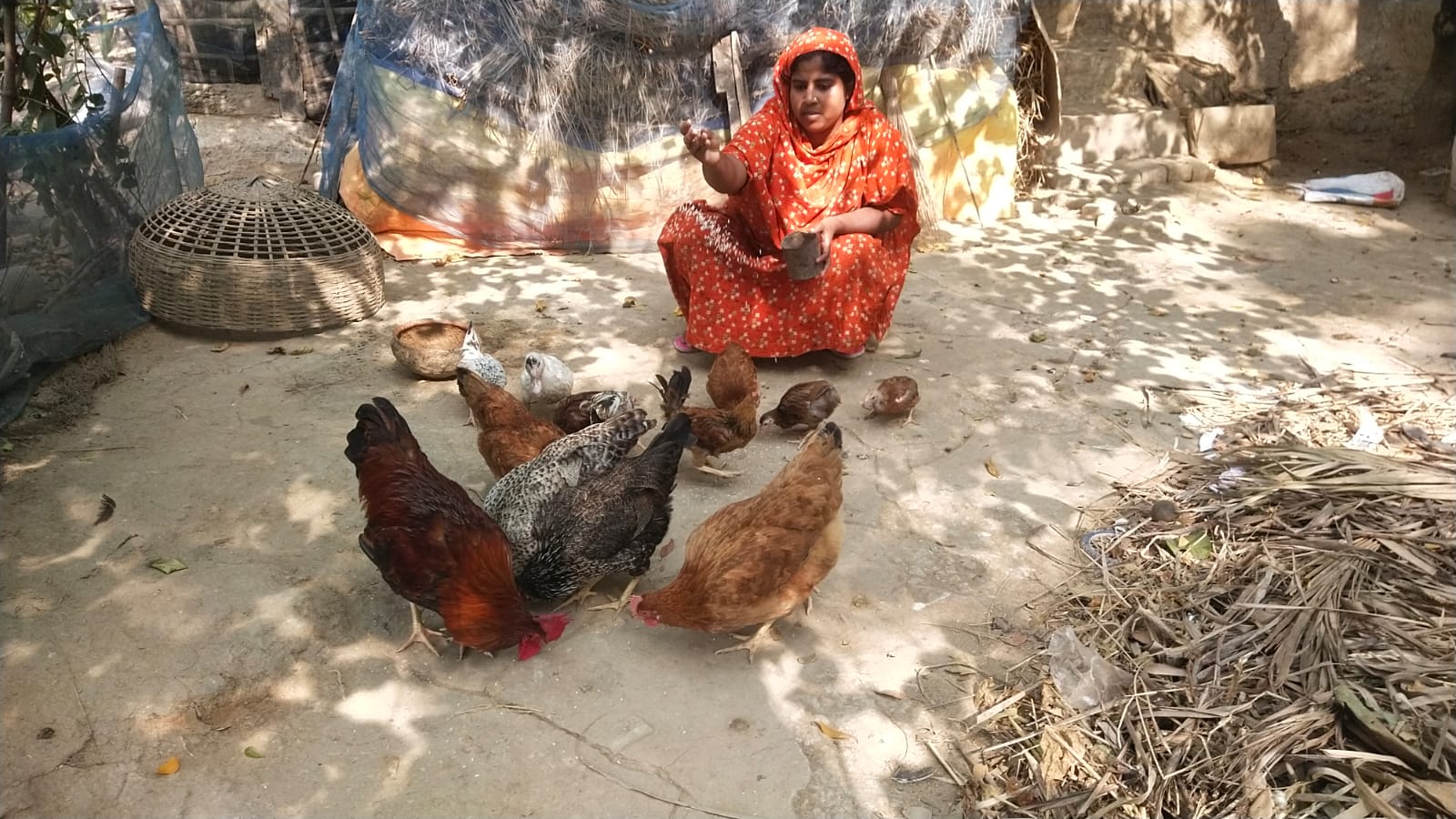
Through regular participation in meetings, training, and exchange visits, Sofiron learned homestead vegetable cultivation, seed conservation, and livestock rearing. She started with a few chickens and later expanded to quail farming, even building a small incubator to hatch eggs. Now, she earns around BDT 3,500–5,500 per month from selling chicks and an additional BDT 2,500–3,000 from vegetables, while meeting her family’s nutrition needs.
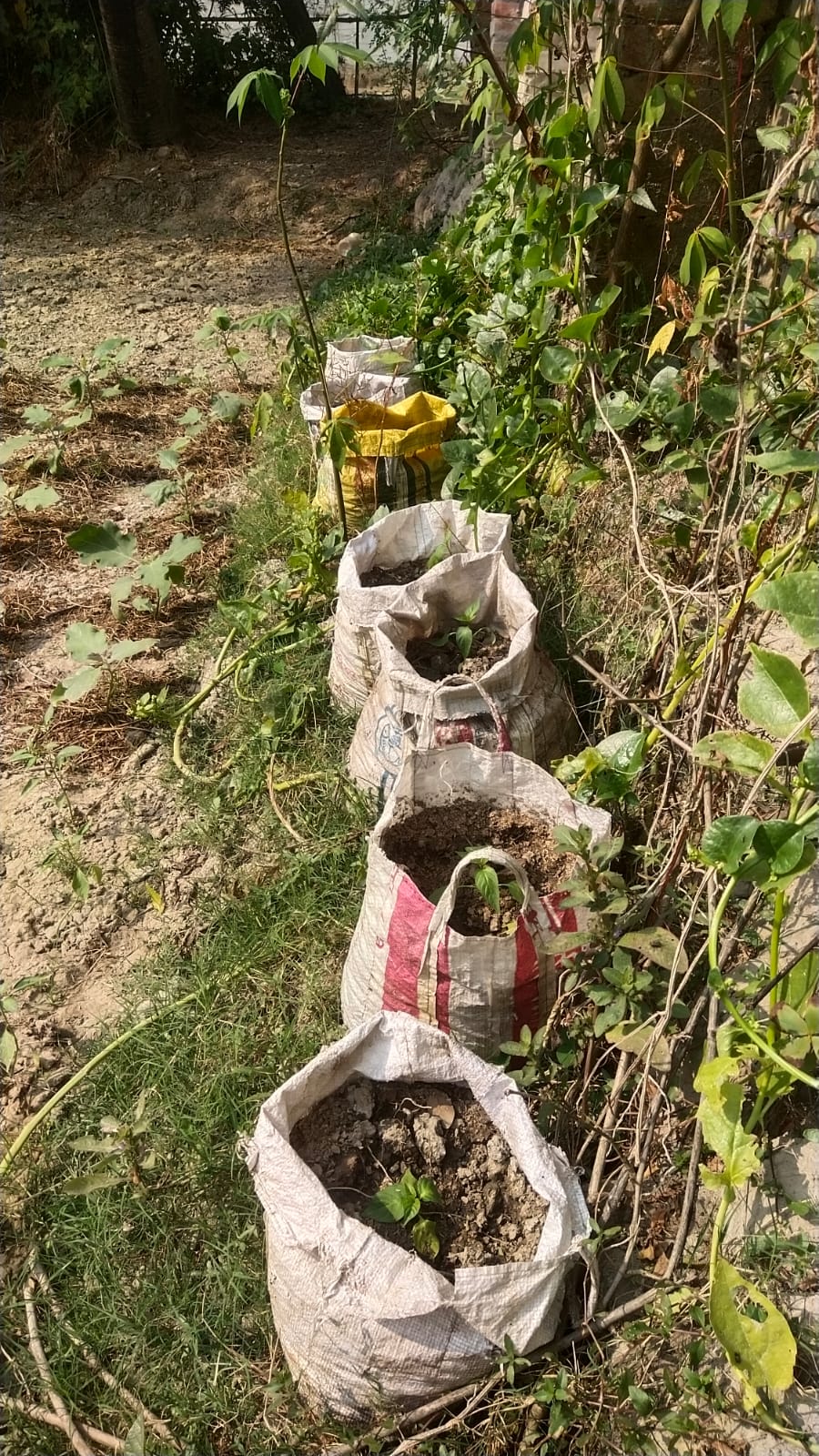
She said, “After joining the women’s group, we learned how to increase income from home. Now we grow vegetables and raise poultry, so we don’t need to buy food from the market. I can earn regularly, and my mother-in-law no longer has to work as a laborer.”
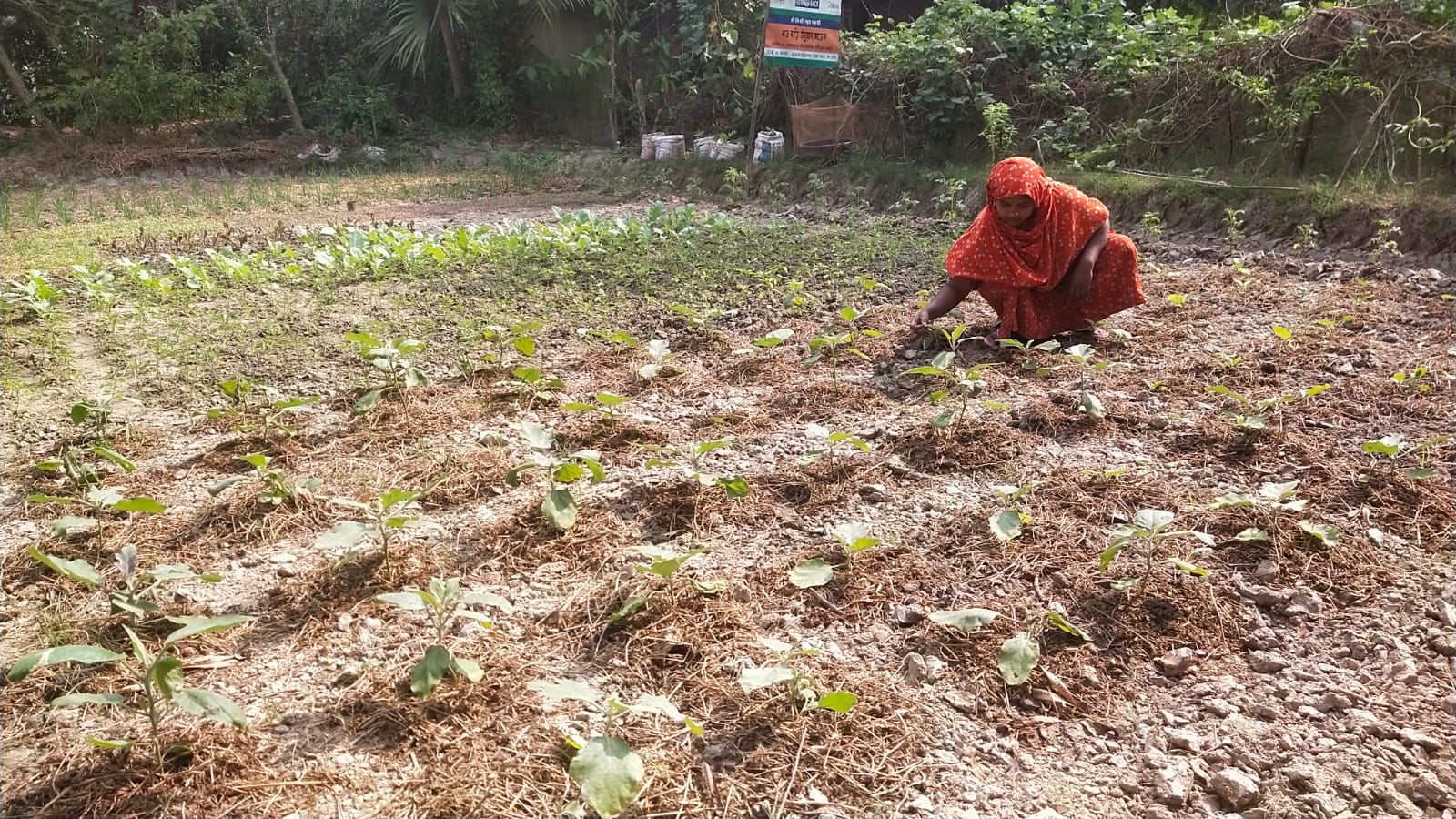
Despite challenges like salinity and water scarcity, Sofiron applies adaptive farming practices learned through training. Today, her family is more self-reliant, and she inspires other rural women to improve their livelihoods through sustainable agriculture.