
By Biswajit Mondal, from Shyamnagar, Satkhira
Seeds are the foundation of agriculture and food sovereignty. For generations, farmers in Bangladesh’s coastal region conserved and exchanged seeds of local crops, building community seed systems that ensured agricultural diversity, resilience, and self-reliance. However, shrimp farming expansion, increasing salinity, commercial agricultural inputs, land-use changes, and climate-related disasters have gradually weakened these traditional practices, creating a growing seed crisis.
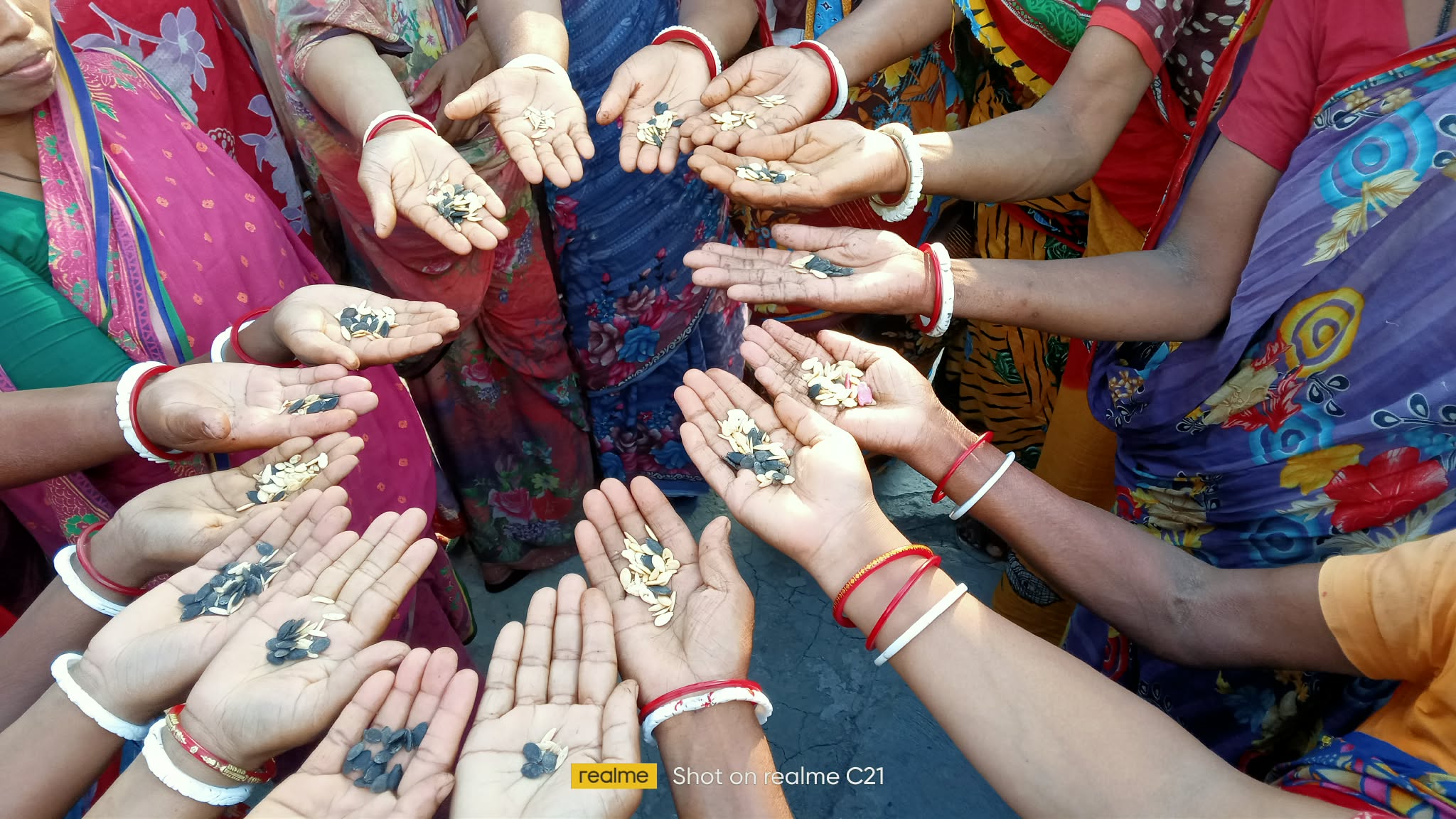
Despite these challenges, farmers continue their efforts to conserve indigenous seeds and maintain community-based seed exchange systems. In Shyamnagar, local farmers, women-led Shotobari households, Agroecology Learning Centers (ALCs), and community organizations have been working to conserve local seeds, reduce dependence on commercial markets, strengthen nutrition, and improve household incomes through diversified crop production.
As part of this initiative, during the 2026 monsoon season, local organizations with support from BARCIK collected 13 varieties of vegetable and spice seeds from 64 farming households across 29 villages in six unions. These seeds were exchanged among 2,445 families in 42 villages.
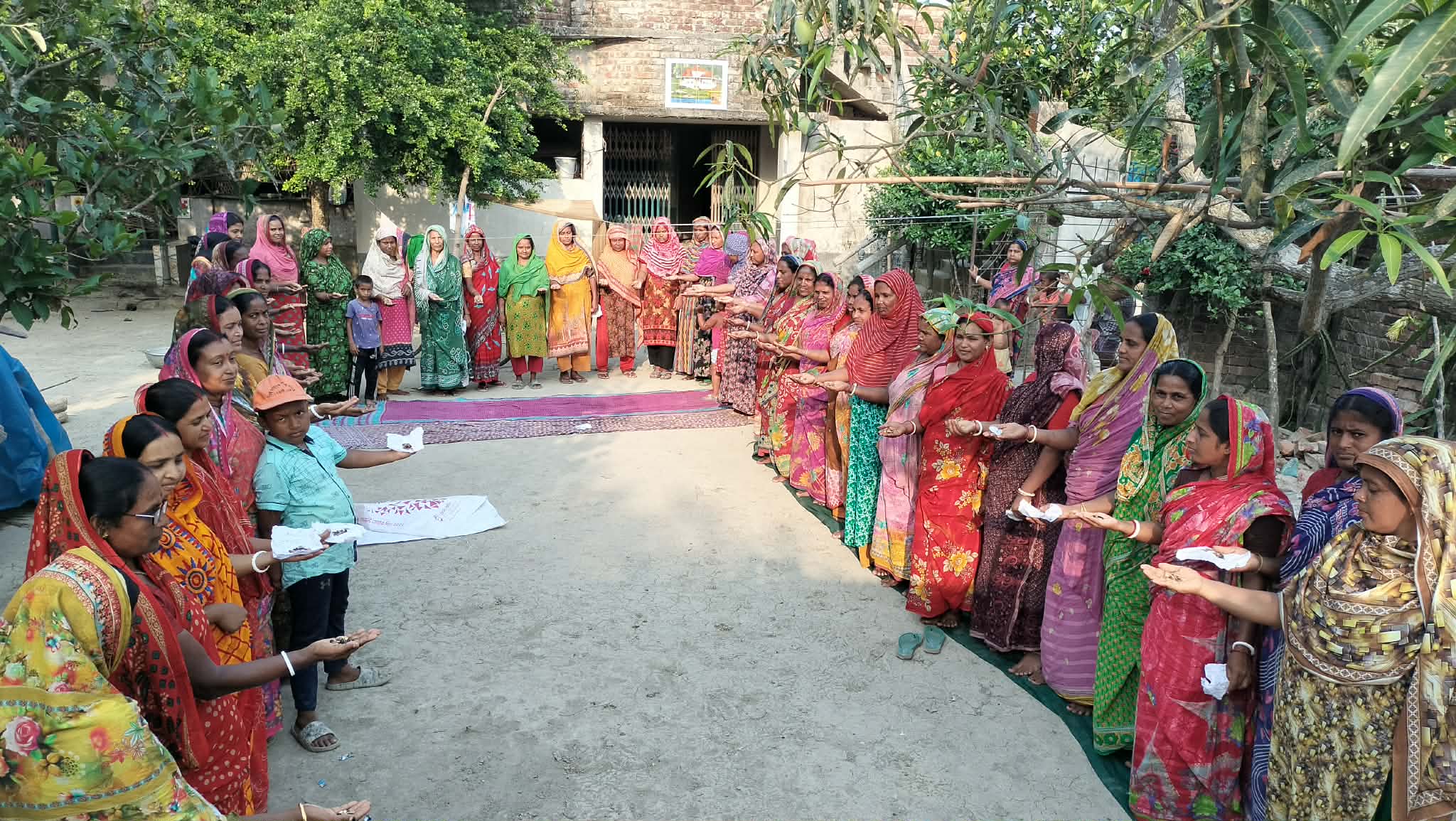
Farmer Alpona Rani Mistry, who provided seeds to nearly 900 families, said that seasonal seed conservation and exchange help farmers become self-reliant and reduce dependence on the market. She said that community seed banks, Shotobari households, and Agroecology Learning Centers are playing a vital role in strengthening local seed sovereignty.
Seed recipient farmers from Purba Kalinagar village expressed optimism that the seeds received this year would enable them to support at least 600 additional families next season through their own seed conservation efforts. They believe that if every farmer who receives seeds conserves and shares seeds, local communities can gradually achieve seed self-sufficiency and strengthen food sovereignty.