
By Biswajit Mondal and Chandana Rani, from Shyamnagar, Satkhira
Local communities in coastal Munshiganj Union of Shyamnagar, Satkhira, have undertaken a community-led afforestation initiative in connection with the government’s 250-million tree plantation program. The initiative has emerged as an important local environmental movement to address climate change, cyclones, tidal surges, salinity and other environmental challenges.
Recognizing the importance of trees suited to the local soil and water conditions, community members and local organizations collected seeds of indigenous and locally adapted species, including mango, jamun, jackfruit, neem, babla, date palm, mahogany and keora. The seeds were preserved and raised into seedlings, which were planted along roadsides, canal banks, educational institutions, a community clinic and homesteads.
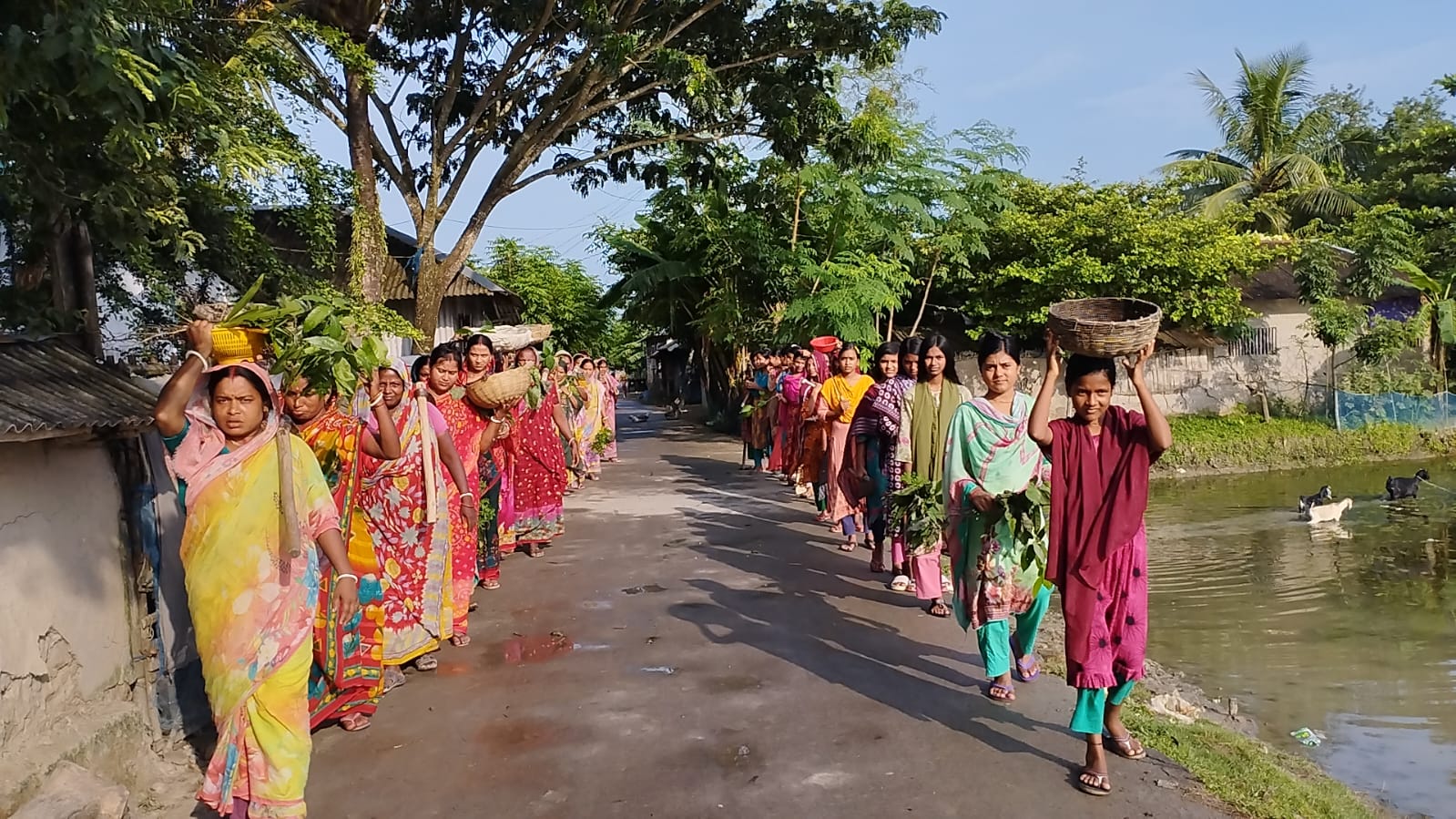
Through this initiative, approximately 6 kilometres of roads, canal banks and other public and household spaces have been brought under community-led afforestation. The plantation is expected to increase greenery and biodiversity while gradually creating protective green belts around settlements and roads.
BARCIK played an important facilitation role by engaging local organizations in discussions on environmental protection, climate change and biodiversity conservation. Rather than depending solely on externally supplied seedlings, communities were encouraged to collect local seeds, produce seedlings themselves and select species based on their own knowledge and experience.
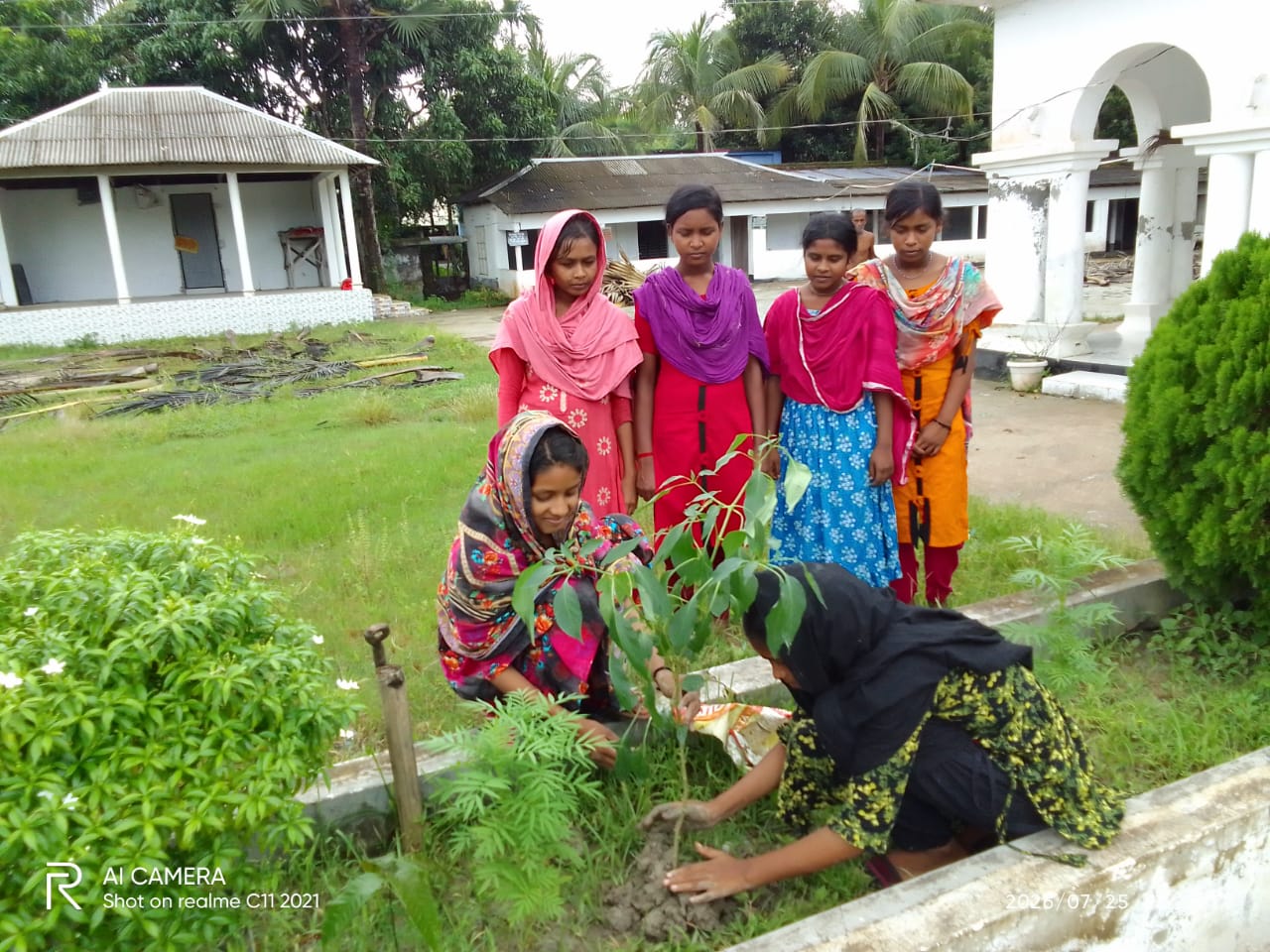
Community members said that collecting seeds from existing local trees and producing seedlings themselves would help to conserve tree diversity and benefit future generations. They have also shared responsibility for caring for the newly planted trees.
BARCIK representatives said that afforestation based on local knowledge, indigenous seeds and community participation is more likely to be sustainable in coastal areas.
The Munshiganj experience demonstrates that government plantation programs can become more effective and sustainable when combined with local knowledge, resources and voluntary community action. By taking responsibility for seed collection, seedling production, plantation and maintenance, local people are increasing green cover and strengthening biodiversity conservation and community resilience to climate change.