
By Alpana Begum from Netrokona
Drowning has become a growing but largely overlooked public safety concern in Netrokona, particularly during the monsoon. Surrounded by rivers, haors, ponds, canals and wetlands, most of the district’s rural communities live in close proximity to water, making young children especially vulnerable.
According to district police data, 159 people died from drowning during the past one and a half years, with children accounting for a large proportion of the victims. In 2025, 110 drowning deaths were recorded, followed by 49 deaths up to June 2026. June was particularly deadly, with 19 deaths in June 2025 and 20 in June 2026.
Kalmakanda recorded one of the highest numbers of deaths. Thirty-four people drowned there in 2025, while another 12 deaths were reported up to 18 August 2026.
Children aged 1–5 years are particularly at risk. Many accidents occur when mothers or caregivers are occupied with household or livelihood activities and children reach nearby ponds or other water bodies unnoticed. In rural communities, the absence of safe childcare facilities and protective barriers around ponds further increases the risk.
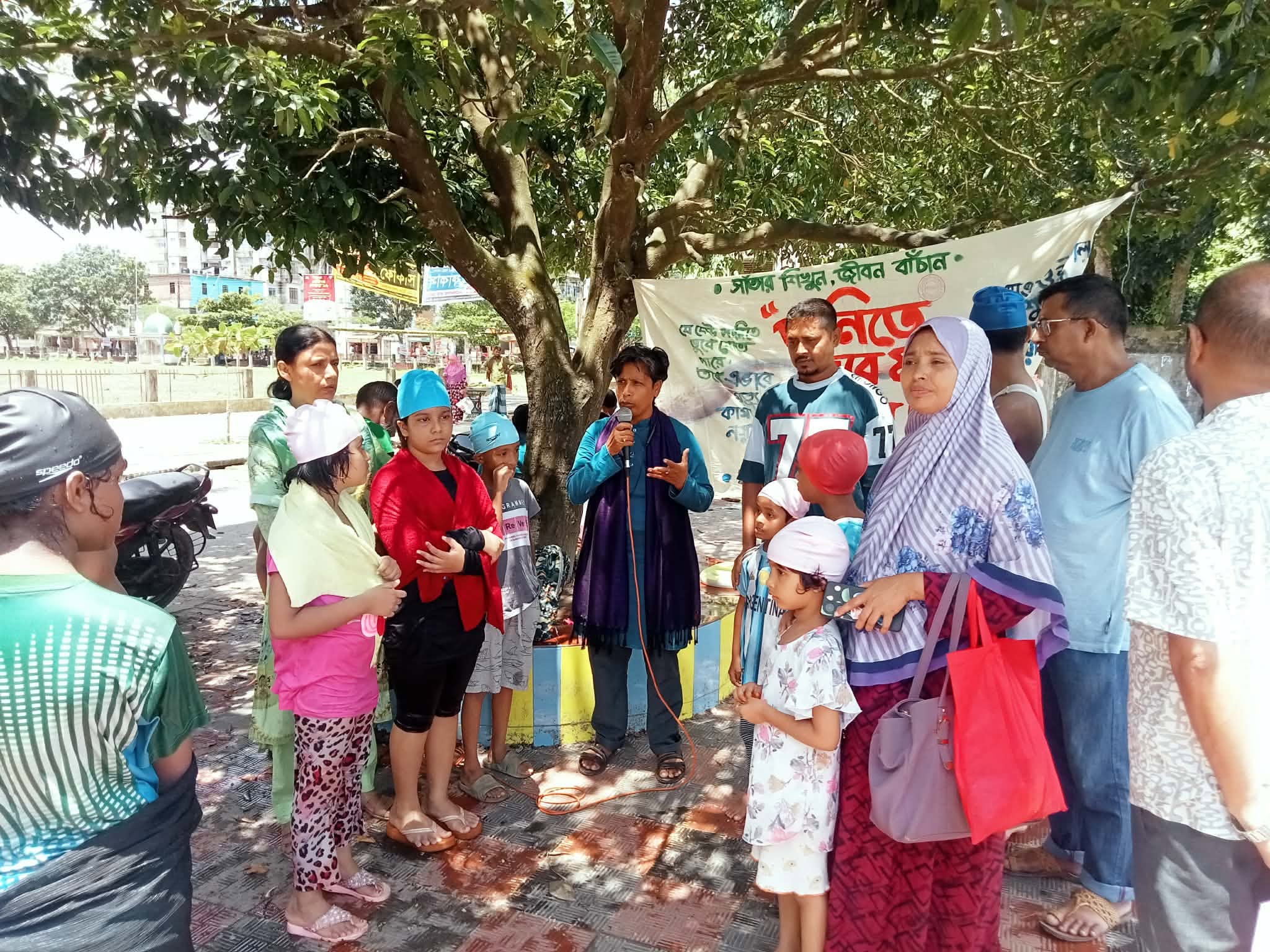
Local communities and experts are calling for stronger government and non-government initiatives, including community awareness campaigns, child-care centres, swimming and water-safety education, and protective fencing around household ponds.
BARCIK Regional Coordinator Md. Ohidur Rahman said that the risk is particularly severe in haor areas during the monsoon. He mentioned that mothers often have to manage childcare and household or agricultural work simultaneously, leaving young children vulnerable to accidents. He stressed the need for community-based awareness programmes and practical safety measures.
Dr. Muhammad Al Mamun, Upazila Health and Family Planning Officer in Kalmakanda, said children can die within a very short time after drowning because water entering the mouth and nose prevents breathing. He emphasized that prevention and immediate awareness are critical because many victims die before reaching a hospital.
Netrokona Deputy Commissioner Khondkar Mushfikur Rahman acknowledged the increasing number of drowning deaths and said awareness meetings had already been initiated in Kalmakanda. Upazila Nirbahi Officers (UNO) have been instructed to organize similar activities across the district, and a broader action plan is being considered.
The continuing deaths highlight the urgent need to treat drowning as a major preventable public health and community safety issue, particularly in water-rich rural and haor communities.