
By Rina Mahali from Rajshahi
In the village of Mundumala Municipality in Tanore Upazila of Rajshahi district, Setara Begum has quietly transformed her daily life through a simple yet powerful change switching to an environment-friendly cooking oven.
A member of the “Shotobari Model House” initiative, Setara Begum is a dedicated and successful smallholder farmer. Beside her house, she cultivates a variety of safe, seasonal vegetables on previously unused land, meeting her family’s nutritional needs year-round. Deeply committed to environmental protection, she has never used chemical pesticides in her garden and says she never will.
Setara is also building a “seed house,” where she conserves diverse local seeds and exchanges them with others, helping conserve agricultural biodiversity in her community.
For years, however, her cooking experience told a different story. Using traditional stoves caused a range of problems. Cooking required large amounts of fuel, took a long time, and left pots heavily blackened, making cleaning difficult. Prolonged exposure to heat and smoke led to physical discomfort such as skin irritation, burning sensations, blurred vision, and frequent allergies. Despite these challenges, she found no effective solution.
At one point, an NGO installed a cement oven at her home for a cost of 1,000 taka. But the new oven did not improve her situation. “The fire would blaze strongly, but cooking still took too long,” she recalled. “In fact, it felt like the problems had increased.”
A turning point came in 2024, when BARCIK began working in her community. Through a series of discussions on environmental conservation, the concept of environment-friendly oven was introduced. Encouraged by these sessions, Setara agreed to try the improved design.
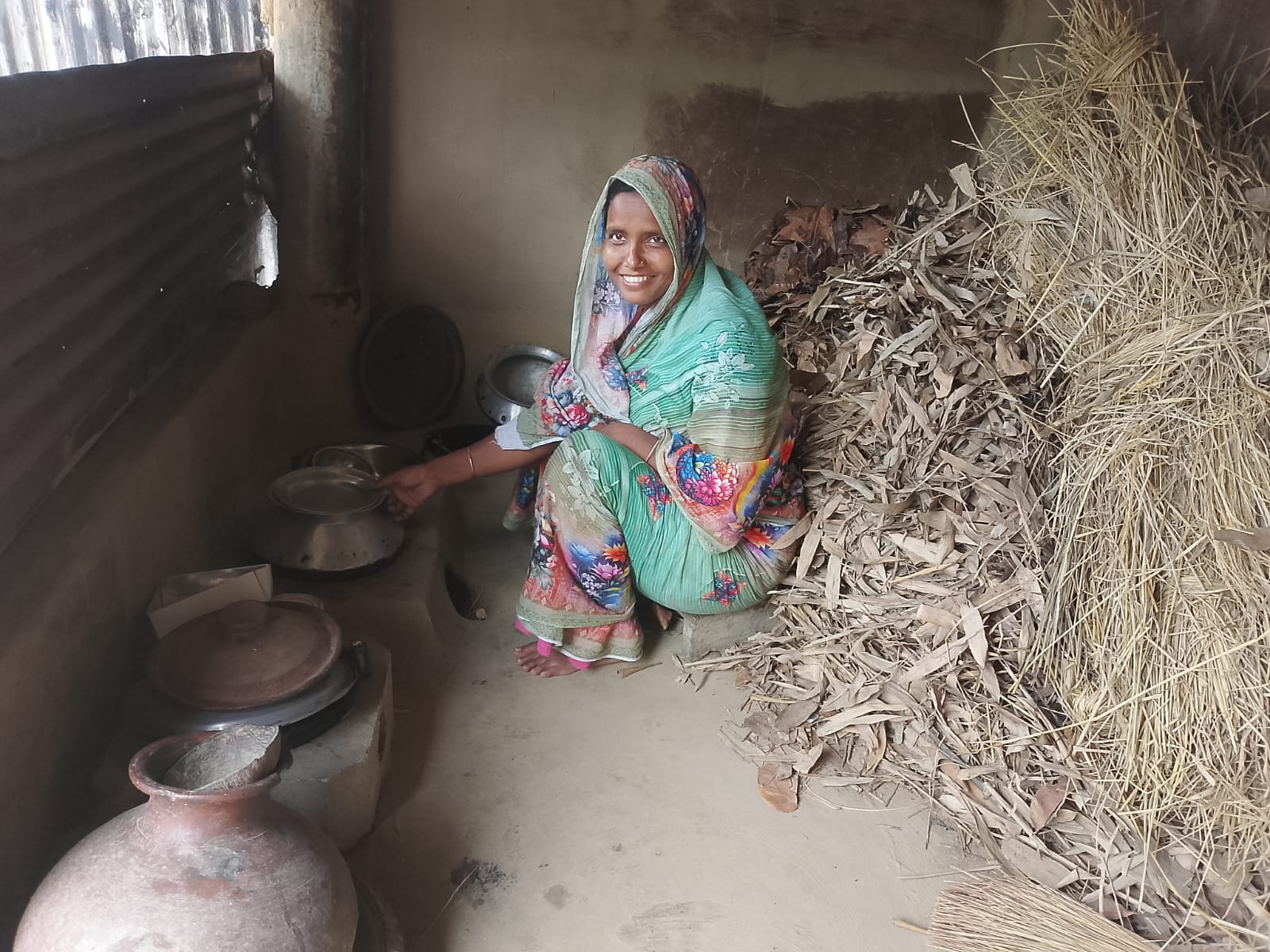
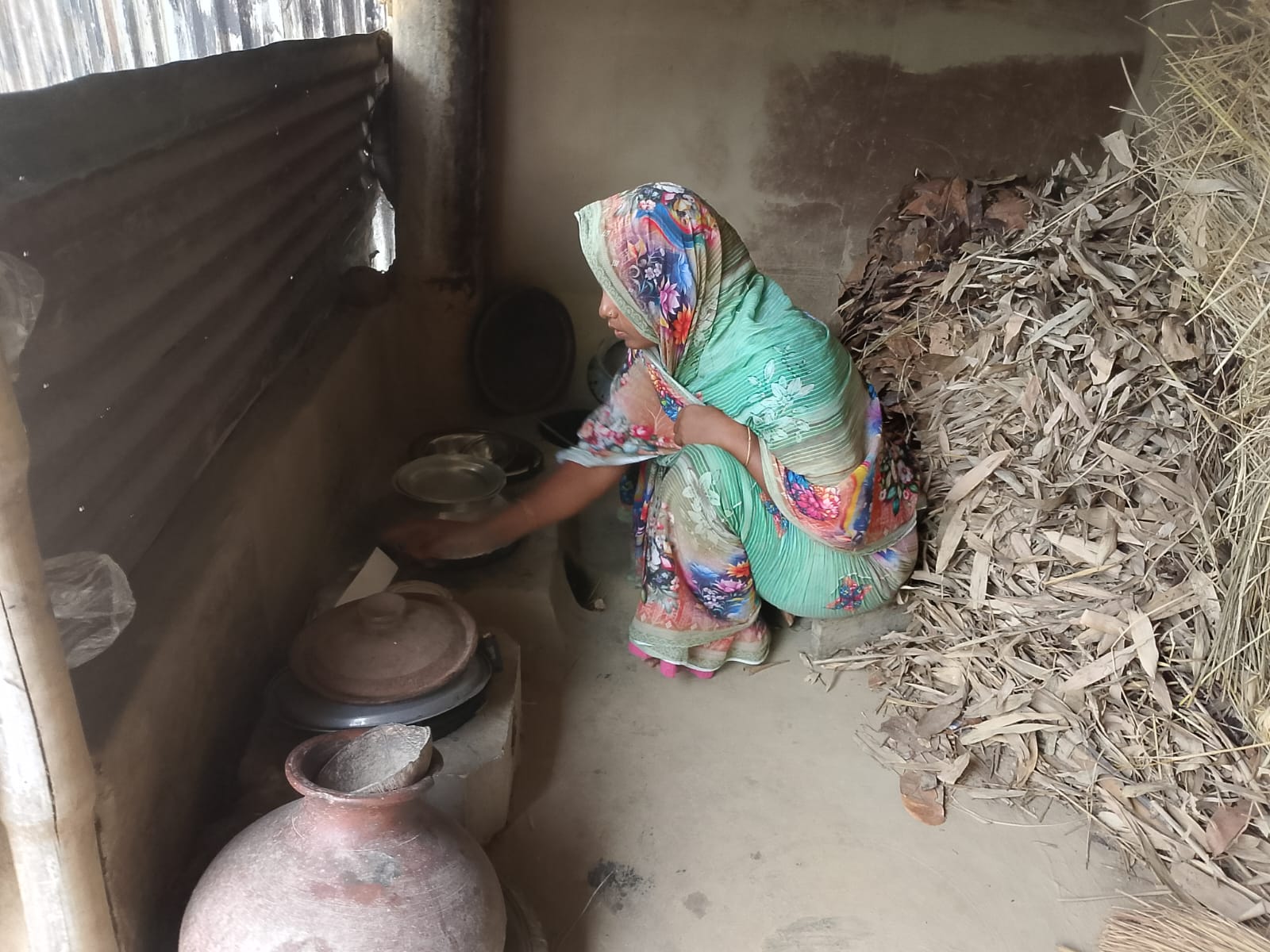
With technical support from BARCIK and assistance from Kabul Jan Begum, she installed an environment-friendly oven at her home. The results were immediate and transformative.
Now, cooking requires much less fuel and takes significantly less time. The smoke that once caused eye irritation and health problems is no longer an issue. Her pots remain cleaner, and she no longer suffers from the physical discomfort that once accompanied daily cooking.
She said, “After using this oven, all my previous misconceptions disappeared. “I am now healthy and can cook comfortably.”
Inspired by her own experience, she has encouraged other women in her village to adopt eco-friendly oven. Today, out of 40 households in the village, 20 have already made the switch and more are expected to follow.