
By Sattaranjan Saha from Harirampur, Manikganj
Agriculture in Bangladesh depends heavily on nature. This year, excessive rainfall made crop cultivation extremely difficult for farmers as the waterlogged soil was unsuitable for planting. Natural disasters such as heavy rain, floods, and droughts continue to pose major challenges to agriculture every year. Due to climate change, even experienced farmers can no longer predict when such disasters will strike.
However, drawing on their experience and traditional knowledge, farmers are adopting local strategies to adapt and continue cultivation. Depending on the soil type and land elevation, they grow a variety of crops such as sesame, linseed, jute, pulses, leafy vegetables, and rice. Although profits and losses vary, many have managed to sustain cultivation this year by adapting to excessive rainfall—raising seedlings on homestead yards and elevated platforms before transplanting them into fields once water recedes.
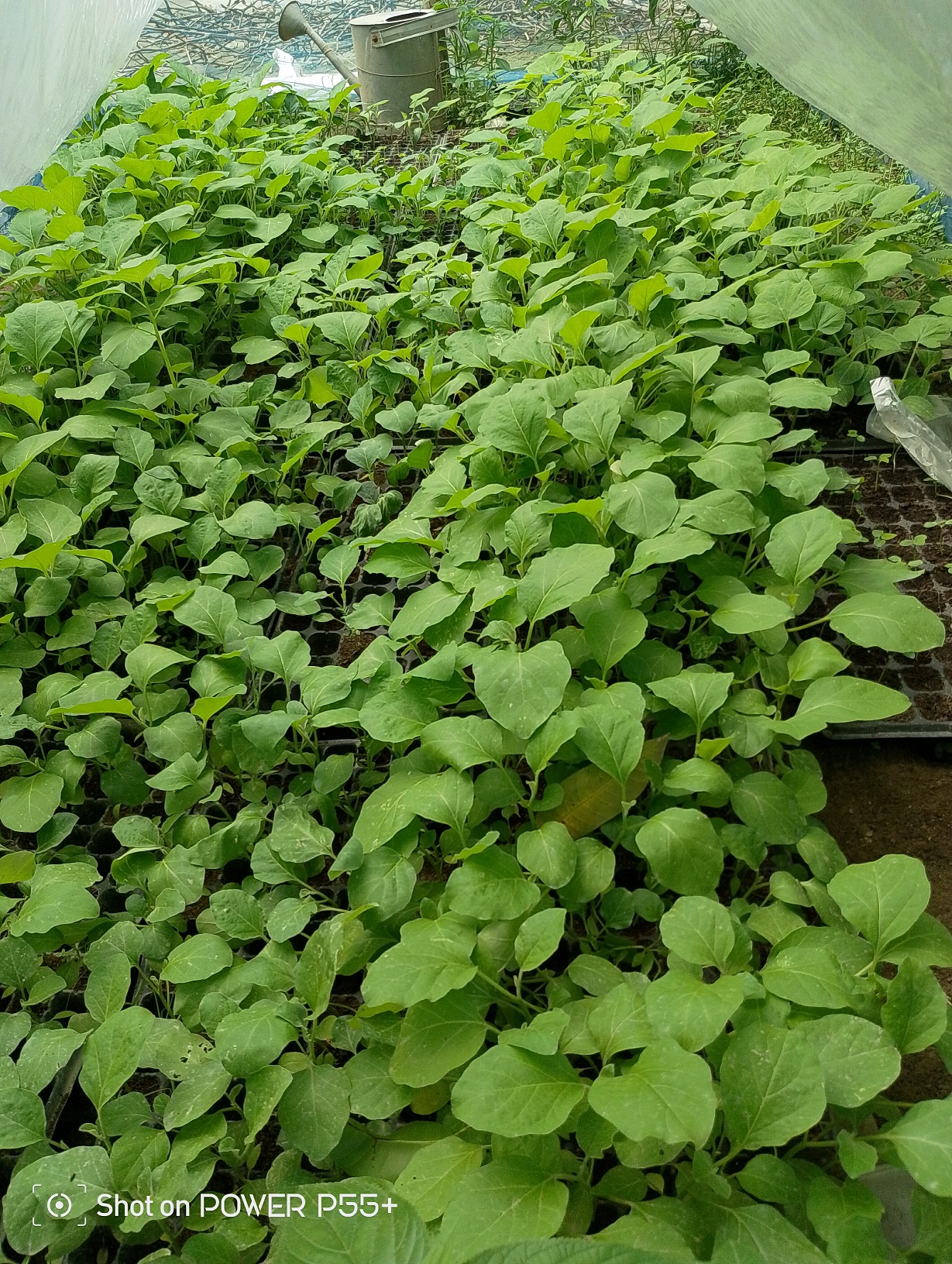
Renu Bala Biswas, a farmer from Andharmanik village in Harirampur, said, “Our area lies along the Padma River and remains waterlogged during the monsoon months. When the river water suddenly enters the fields, crops get damaged. Most farmers avoid field cultivation during the monsoon but start planting mustard and vegetables immediately after the water recedes.” She went on saying, “We prepare vegetable seedlings like chili, eggplant, cauliflower, cabbage, and tomato on homesteads or raised seedbeds using silt soil and compost. Once the fields dry, we transplant the seedlings. With the support of BARCIK’s Nutrition House initiative and local farmer groups, we are learning organic methods and disaster-resilient farming.”
Baidyanath, a farmer-researcher from Hatipara, Manikganj Sadar, said, “To overcome floods and heavy rains, I prepare vegetable seedlings on raised seedbeds using organic compost. After the monsoon, I easily transplant bottle gourd, bean, cauliflower, eggplant, and tomato seedlings into my fields.” He added, “During the rainy season, I grow dhaincha (green manure) to enrich the soil. I also cultivate pulses and mustard in rotation, which reduces the need for chemical fertilizers and lowers production costs while ensuring safe food.”
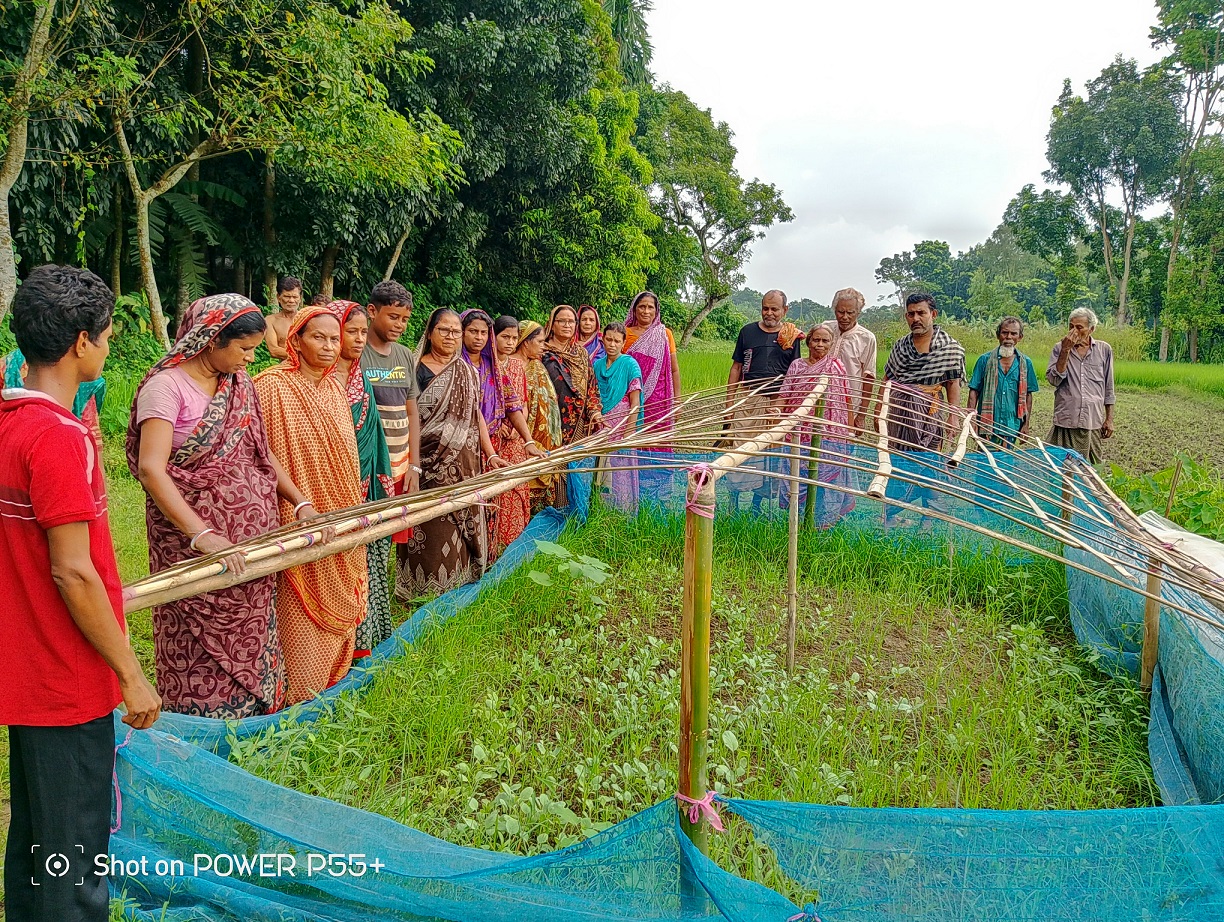
In Patgramchar of Harirampur, woman farmer Khaleda Begum said, “We live on the Padma River char lands, which go underwater during monsoon. As soon as the water recedes, I prepare my own seeds and grow vegetable seedlings on high ground. After drying the soil with cow dung manure, I transplant the seedlings into the field.” She went on saying, “Raising seedlings at home helps us get early harvests and cope with extreme rainfall. During post-monsoon months, the silt makes the soil fertile, helping us grow vegetables, spices, and oilseeds quickly.”
Natural disasters are now a constant part of agriculture. This year’s heavy rainfall forced farmers to change cultivation methods. They now raise vegetable seedlings on high ground or homesteads during heavy rain and protect them with straw during winter fog. Many also grow creeper vegetables on raised beds mixed with soil and compost to ensure food security, seed preservation, and independence in farming.