
By Shahidul Islam from Rajshahi
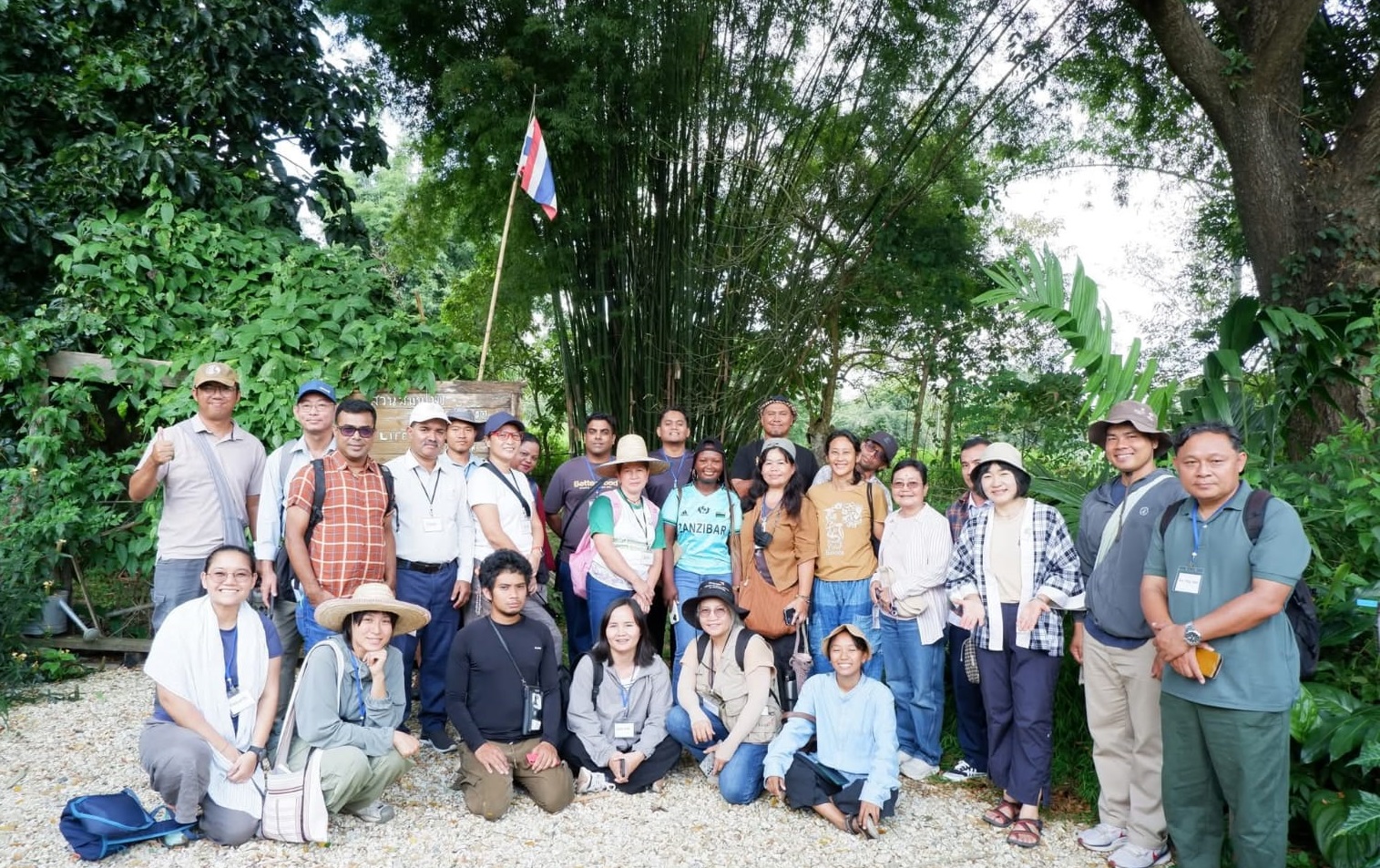
From 5–9 October 2026, I participated in the ECHO Asia Community Seed Bank Forum in Chiang Mai, Thailand. Organized by the ECHO Asia Small Farm Resource Center & Seed Bank, the forum provided an opportunity to exchange experiences on community seed banks, seed quality, conservation, management and farmer-led initiatives to protect agricultural biodiversity.
I shared BARCIK’s experience of farmer-led seed conservation and exchange in Bangladesh’s Barind region and learned from initiatives in other countries.The Barind region faces growing agricultural challenges due to drought, water scarcity, rising temperatures and irregular rainfall. Meanwhile, the availability of local and traditional seeds is declining, market dependence is increasing, and farmers’ traditional seed-saving practices are weakening. In this context, community seed banks are more than places to store seeds. They help to protect farmers’ seed rights, preserve local knowledge, strengthen cooperation and conserve agricultural biodiversity.
Putting Farmers’ Needs First
Forum discussions highlighted the importance of building seed banks around community needs. Farmers should help decide which varieties to conserve, which are at risk of disappearing, and which crops are best suited to local conditions. A community seed bank must do more than collect and store seeds. It should also support seed production, maintain quality, ensure availability and connect farmers who grow and exchange different varieties. For farmers in the Barind region, seeds are not merely agricultural inputs. They are closely linked to local food habits, farming traditions, environmental adaptation and farmers’ freedom to make their own decisions.
A Farmer-Led Model in Barind
The Barind Farmers’ Seed Bank was established in December 2015 in Duboil village, Tanore upazila, Rajshahi. The initiative grew from the efforts of the late farmer and seed collector Yusuf Ali Molla, who was committed to conserving local seed varieties. Today, farmers, including women, participate in its management. Rather than storing all seeds in one central facility, the seed bank encourages farmers to produce and conserve seeds at home. It coordinates exchanges and helps farmers identify where particular varieties are available. Farmers who receive seeds agree to return at least an equivalent quantity before the next planting season. Those with a good harvest may return more, allowing other farmers to access seeds. If a variety disappears from one farmer’s collection, the seed bank tries to recover it from another farmer or locality. This system keeps seeds in active circulation through cultivation, sharing and collective responsibility. It demonstrates that conserving seeds requires not only storage but also regular cultivation and exchange.
Preserving knowledge alongside seeds
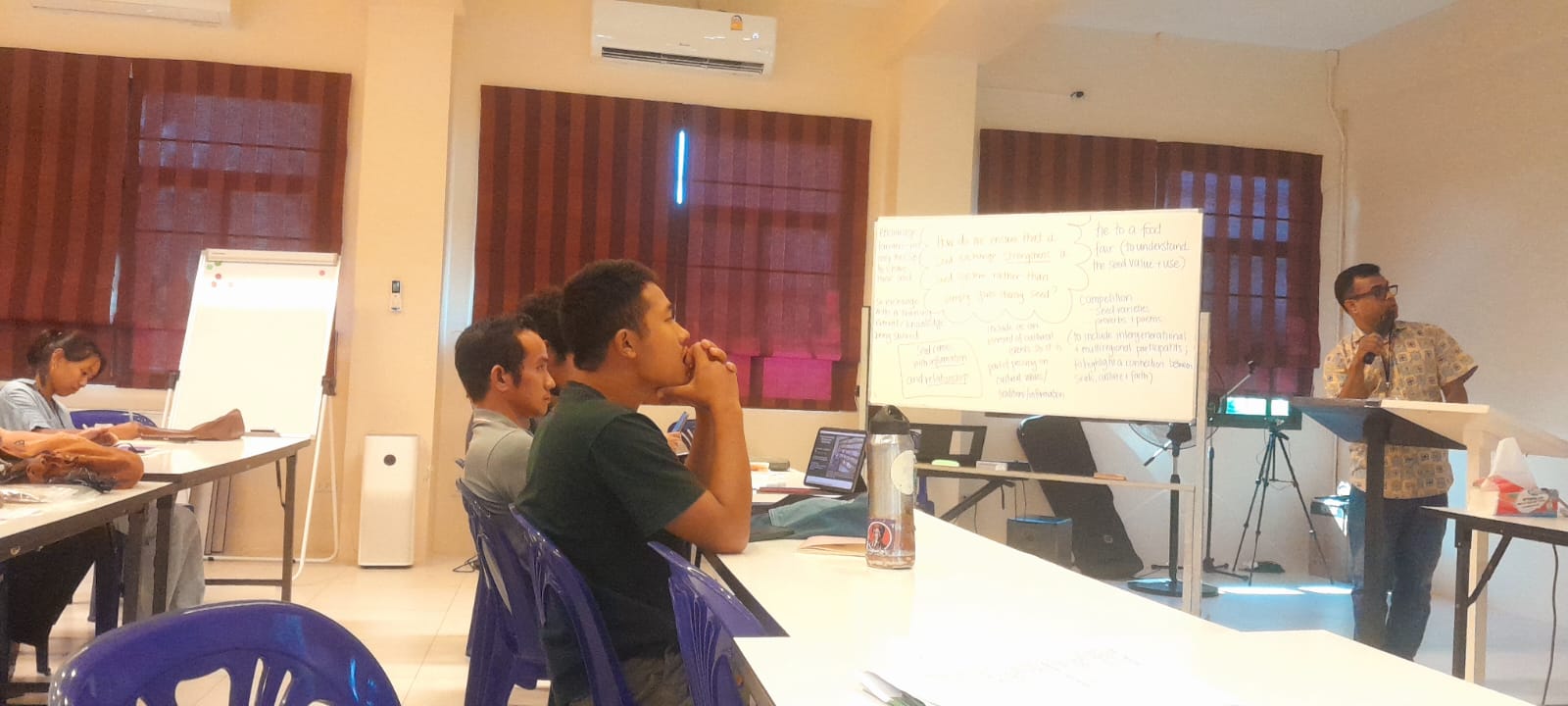
Farmers possess valuable knowledge about seed maturity, colour, size, fullness, pest and disease damage, drying and field performance. Years of experience help them understand which varieties perform best under local conditions. The forum’s discussions on seed cleaning, drying, germination testing and storage reinforced the importance of combining farmers’ experience with simple, affordable scientific methods. Technology can improve seed quality, including through temperature and humidity control. However, expensive equipment and specialized storage facilities may be beyond the reach of small-scale farmers and community seed banks. The challenge is to choose methods that suit local conditions, remain affordable and can be managed by communities themselves. Scientific testing and technical support can complement local knowledge without creating new forms of dependency.
Recognizing women farmers’ contributions
Women play a vital role in selecting, drying, storing and exchanging seeds. Their knowledge is closely connected to food preparation, household food security and local farming traditions. Their participation must extend beyond membership. Women farmers should have a meaningful voice in deciding which varieties to conserve, how seeds are exchanged and which practices are shared with others. The Barind experience also shows that seed exchange builds trust and cooperation. Farmers share seeds, learn from cultivation and return seeds to support others. Annual Nabanna celebrations provide opportunities to bring farmers together, exchange seeds and share farming experiences. Recognizing farmers’ contributions further strengthens collective responsibility.
From local initiatives to policy support
Bangladesh’s regions differ in climate, soil, water availability and farming systems. Seed conservation therefore, requires locally adapted approaches. In the drought-prone Barind region, access to suitable local varieties and crops requiring less water is particularly important. Government agencies, research institutions, local organizations and farming communities can work together to strengthen farmer-managed seed banks and sustain seed production and exchange. Such support must recognize farmers’ contributions, protect their seed rights and preserve their freedom to choose varieties according to their needs. BARCIK supports community-led initiatives, documents farmers’ experiences and helps to bring local concerns into wider discussions and policy processes. The ownership and decision-making power of community seed banks, however, must remain with the communities themselves.
Seeds as a living heritage
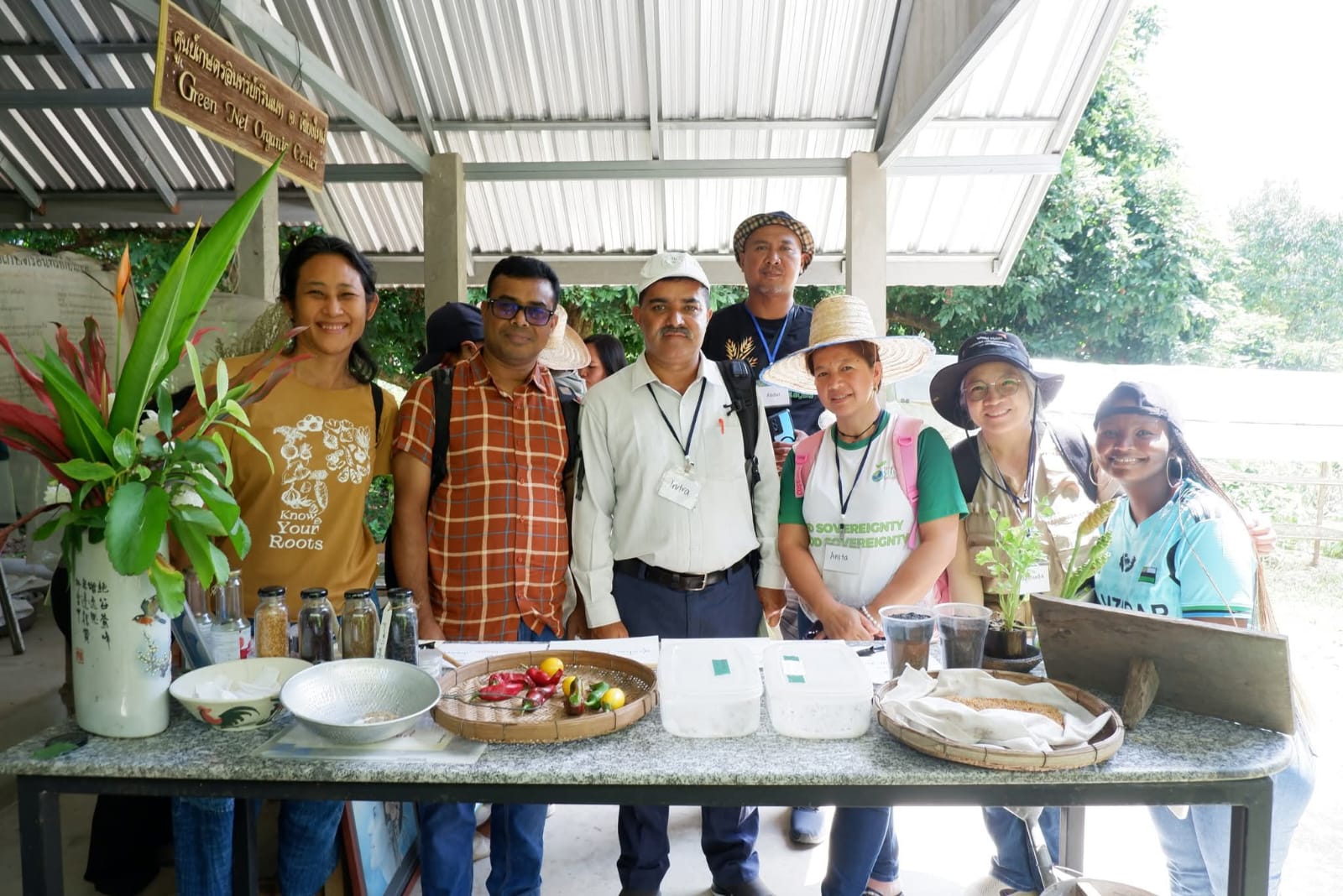
My experience at the ECHO Asia Community Seed Bank Forum reinforced five priorities: placing farmers’ needs first, combining conservation with cultivation and exchange, recognizing local knowledge, ensuring women’s participation in decision-making, and securing institutional and policy support. Rather than copying a single model, communities should develop approaches suited to their environment, knowledge and resources. A community seed bank is not simply a place to keep seeds. It is a living system that protects farmers’ knowledge, seed rights, trust and agricultural biodiversity. Its success depends on how many seeds are stored and on how actively they are cultivated, shared and sustained by farming communities.