
Farmers collaborated to conserve Chinikani Rice in Shyamnagar
By Biswajit Mondal and Yasin Arafat, from Shyamnagar, Satkhira
Local rice varieties are closely linked to the food, farming traditions and livelihoods of Bangladesh’s coastal communities. Over generations, farmers have selected varieties suited to local soil, water and weather. However, many are disappearing as farmers increasingly shift to high-yielding varieties. In West Jelekhali village of Shyamnagar, Satkhira, 26 farmers have joined together to bring one such traditional variety, Chinikani rice, back to the fields. With seed support from BARCIK, they are cultivating the variety on about 7.5 bighas of land during the current Aman season.
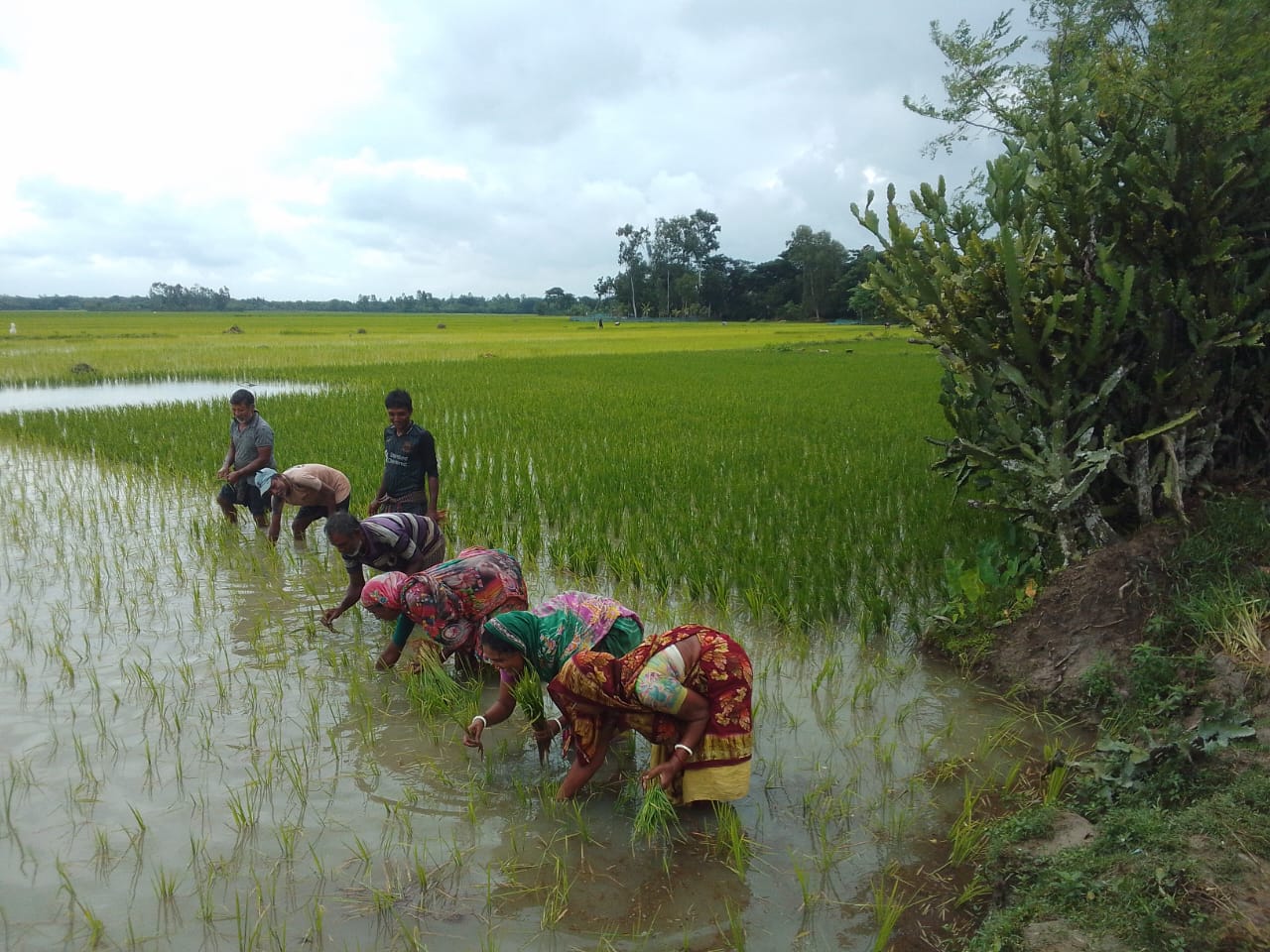
BARCIK has been working in coastal areas since 2001 to collect, conserve, exchange and promote local seeds. This year, farmers from different parts of Munshiganj Union collected local rice seeds based on their needs. The 26 farmers of West Jelekhali decided to cultivate Chinikani together in one area rather than growing it separately on small plots.
The joint cultivation will allow farmers to share experience, select good-quality seed from the harvest and preserve it for future seasons. They also hope to distribute the saved seed to other farmers and gradually expand Chinikani cultivation in the area. Farmers say Chinikani is an old and familiar local variety. They value its taste and quality, and say it performs well under local conditions. Its rice also fetches a relatively higher market price than common varieties “Chinikani is an old rice variety of our area. Its taste and quality are good, and it also sells at a higher price. That is why we want to cultivate more of it,” said farmer Bhudhar Chandra Mondal of West Jelekhali.
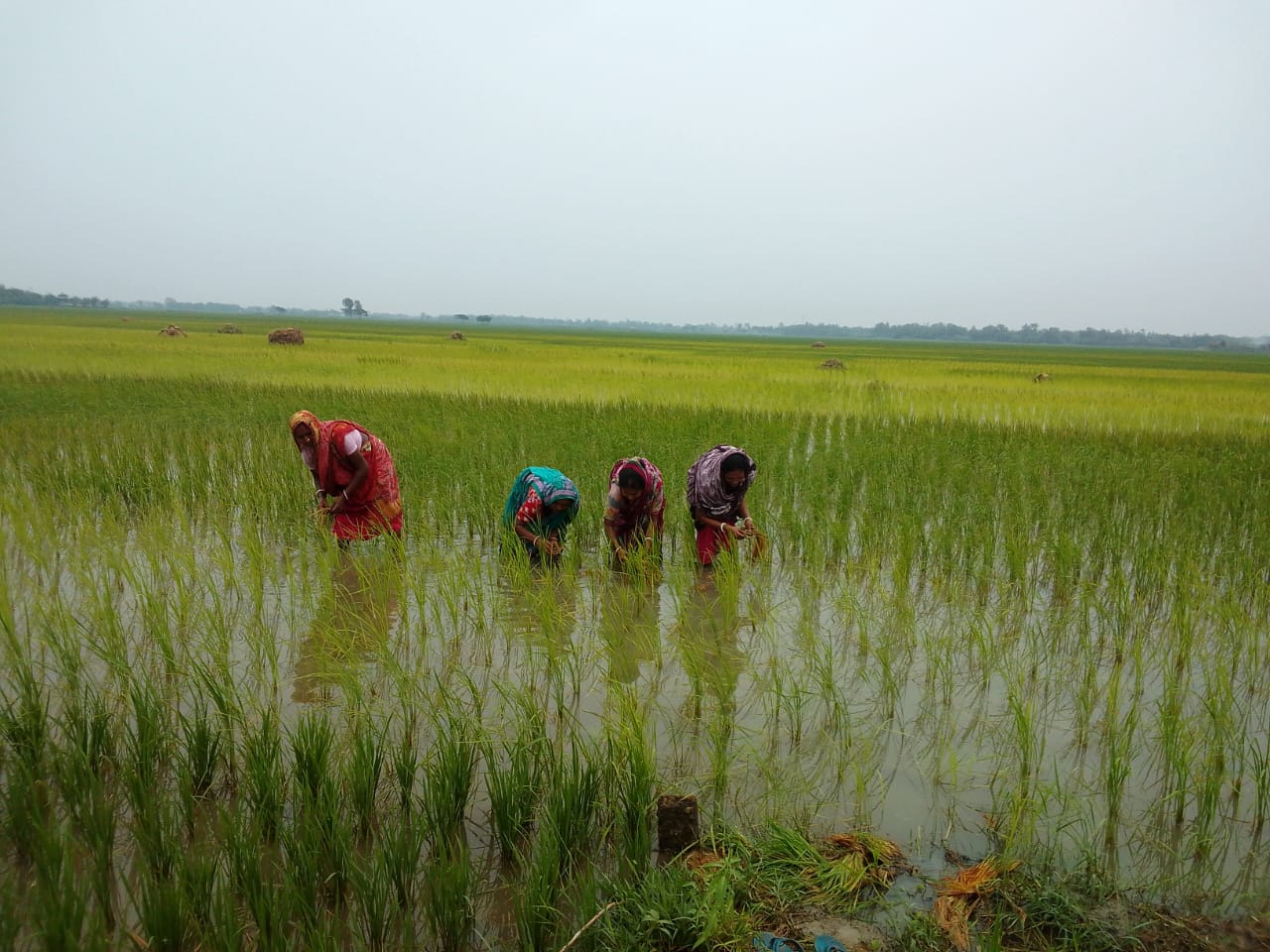
The farmers’ initiative is more than an effort to grow a traditional rice variety. It is also helping preserve local seeds and farming knowledge. If production increases, farmers will have greater access to their own seed and may gain additional income from the variety’s market demand.
The cultivation of Chinikani on 7.5 bighas by 26 farmers marks a new step in restoring a traditional rice variety to local fields. Through farmers’ own knowledge, demand and collective action, an important part of the area’s agricultural heritage is being brought back into production.