
By Biswajit Mondal from Shymanagar Satkhira
To promote agrobiodiversity and strengthen climate-resilient farming, BARCIK has distributed native Aman rice seeds among farmers in Shyamnagar, Satkhira. During July 2026, a total of 266.6 kg of seeds representing 11 indigenous rice varieties were provided to 103 farmers from 15 villages across seven unions. The initiative aims to conserve locally adapted rice varieties while improving farmers’ access to quality indigenous seeds.
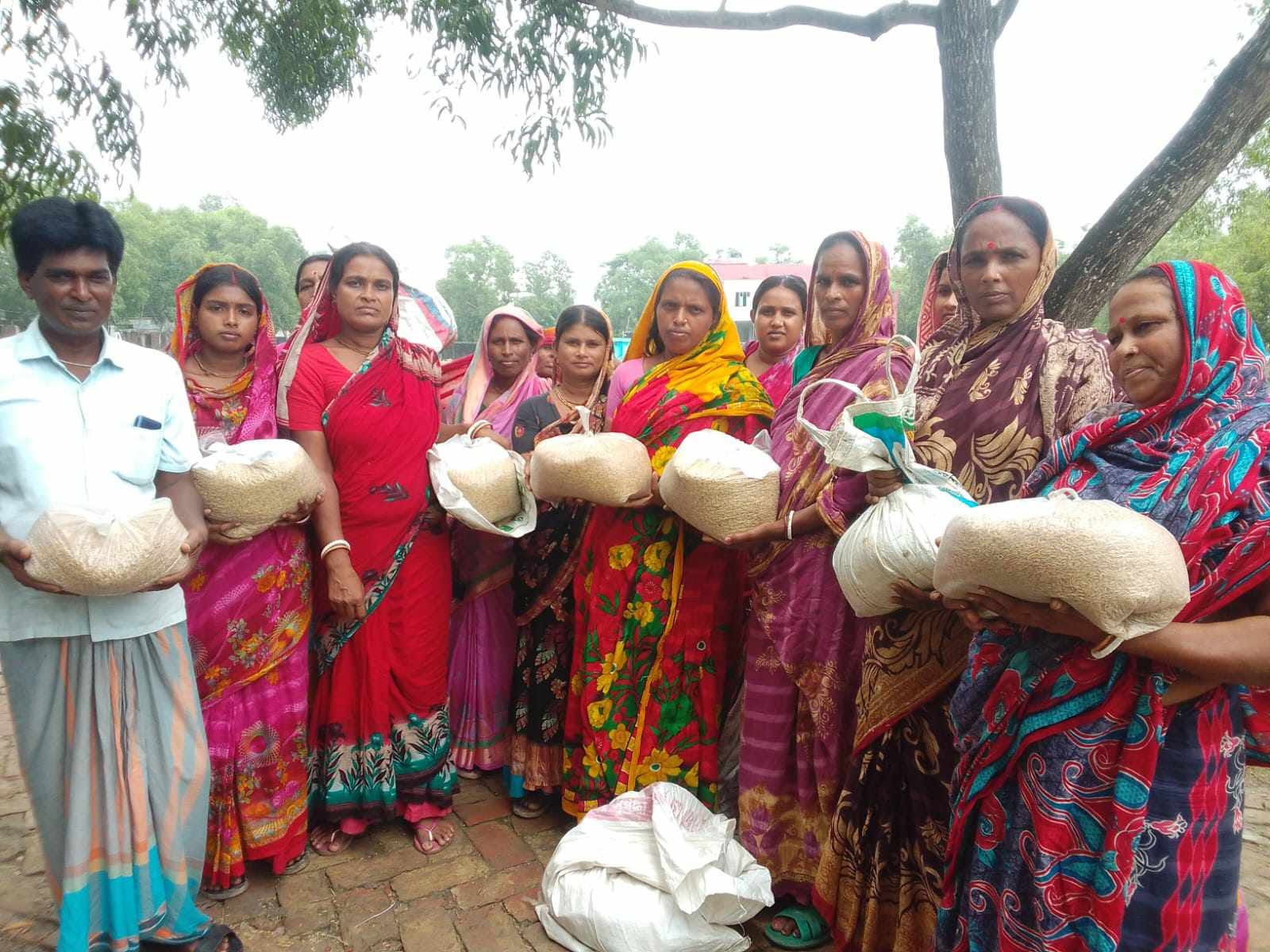
Farmers who received the seeds said that native rice varieties require lower production costs, are better adapted to local environmental conditions, and offer reliable yields despite climatic uncertainties.
Local seed custodians also said that several traditional varieties, once considered nearly extinct, are now being revived through farmer-to-farmer seed exchange and community conservation efforts. They believe these initiatives will help to conserve agricultural biodiversity, strengthen food security, and protect the region’s farming heritage for future generations.
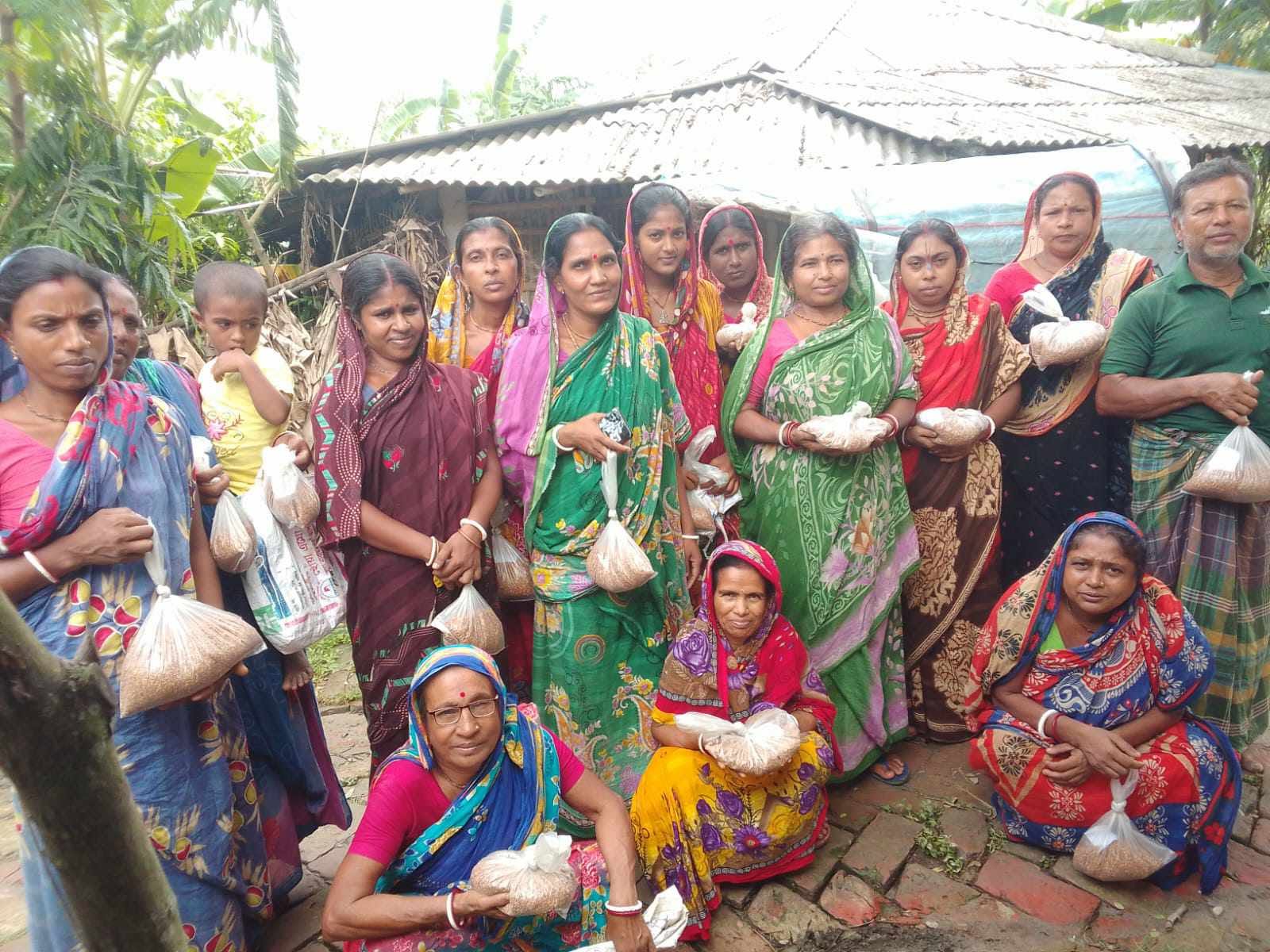
However, the coastal region once possessed rich seed diversity closely linked to local livelihoods, culture, and food traditions. The expansions of commercial agriculture, dependence on company-produced seeds, shrimp farming, and the impacts of climate change have contributed to the gradual disappearance of many traditional rice varieties.
For years, BARCIK has been working with farming communities to collect, conserve, and promote indigenous seeds through community seed banks, Agroecology Learning Centers, and people’s organizations.