
By Biswajit Mondal, from Coastal Region
Sarma Rani (48), a woman farmer from Mathurapur village in Munshiganj Union of Shyamnagar Upazila, Satkhira, is an inspiring example of perseverance and innovation in agriculture. With her husband, Bimal Mondal, physically unwell, she manages the responsibilities of their three-member family while cultivating 33 decimals of her 66-decimal homestead land through organic and chemical-free farming. Despite coastal salinity, waterlogging and limited cultivable land, she has developed a diverse farming system using indigenous knowledge, natural resources and innovative techniques. Her initiative is now a source of food and economic security for her family and a learning centre for neighbouring farmers.
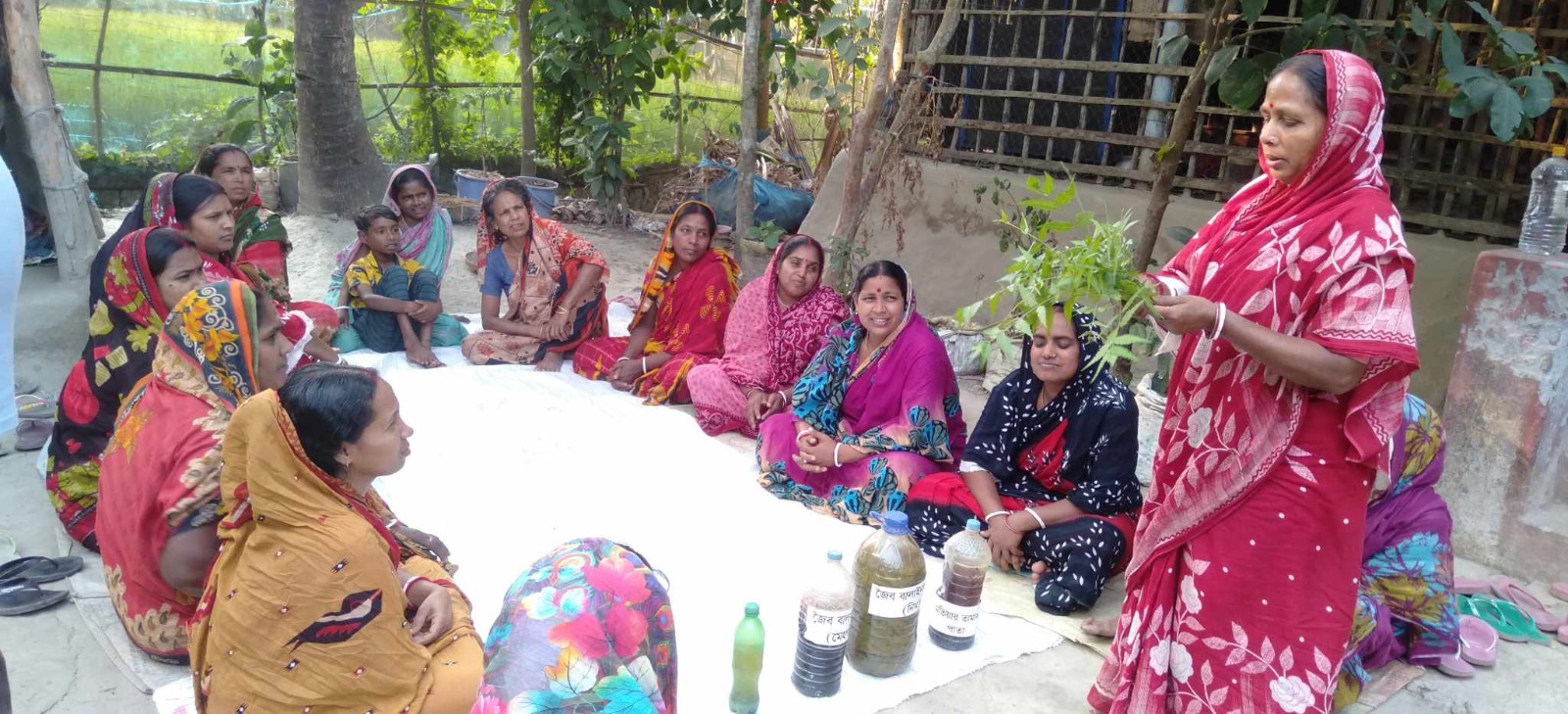
Confidently overcoming challenges
Despite family responsibilities and challenging agricultural conditions, Sarma Rani has continued to improve her farming practices. As she has no livestock, she produces organic fertilizer by decomposing vegetable residues, peels, grass and other household organic waste. She also prepares natural pesticides using locally available ingredients, including neem leaves and fruits, mahogany, tobacco leaves and garlic. For pest management, she uses sex pheromone traps, yellow and green sticky traps, hand nets, light traps, rattles, ribbons, tin boxes, marbles, manual insect removal and scarecrows. These practices demonstrate her local knowledge, problem-solving skills and ability to use available resources effectively. Her vegetable cultivation generates approximately Tk 7,000 per month, while organic farming saves her around Tk 18,000 annually on chemical fertilizers. Her experience demonstrates that agricultural production can be sustained while reducing dependence on expensive external inputs.
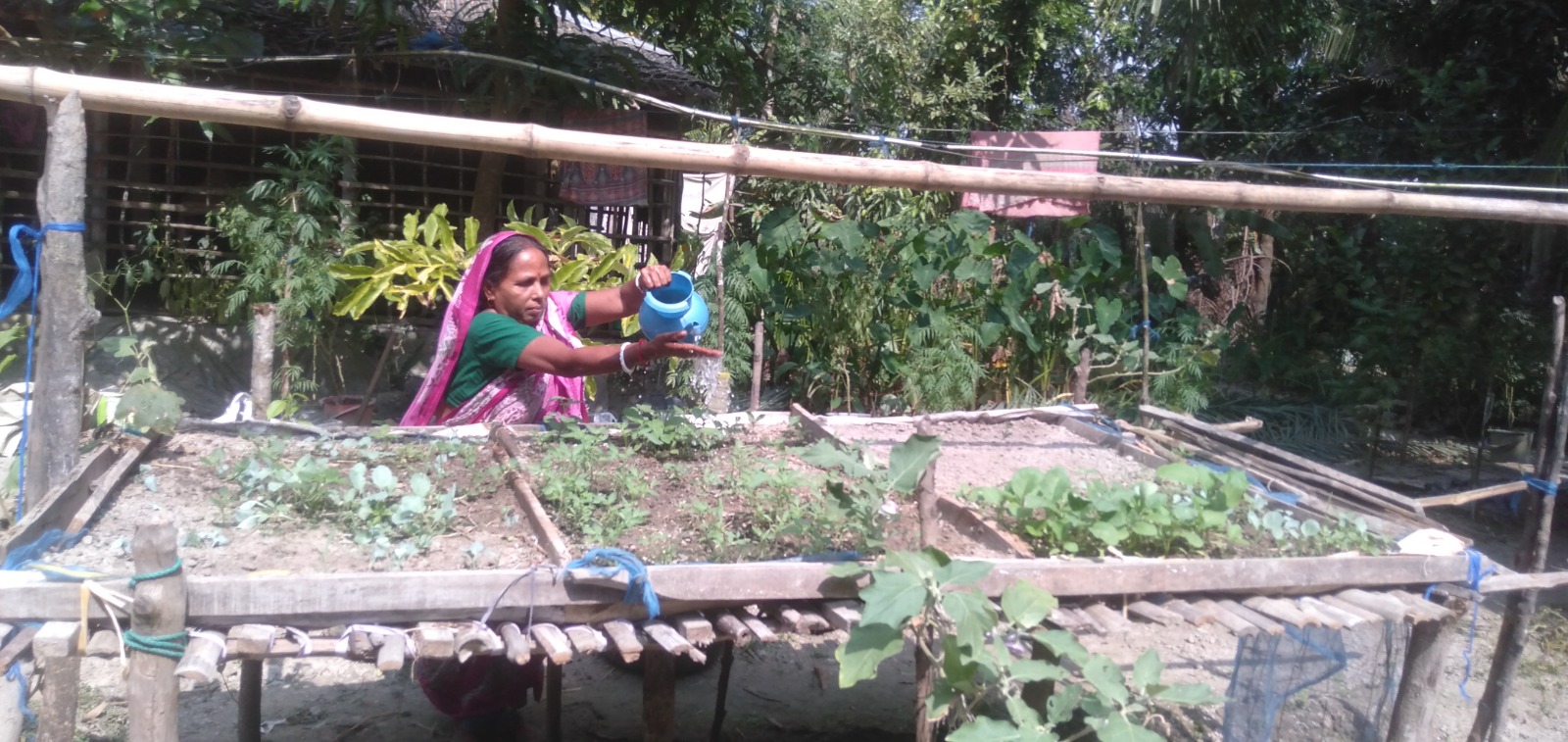
Sharing Knowledge
One of Sarma Rani’s greatest achievements is her commitment to sharing knowledge. Through approximately 40 training sessions on preparing organic fertilizers and natural pesticides, she has trained around 1,200 people. Nearly 600 neighbouring households reportedly apply the methods they learned from her. She established contact with BARCIK around 2018. Since then, she has participated in various training programs and worked as a trainer. Through this engagement, she has helped promote organic and chemical-free farming, local resource utilization, seed conservation and biodiversity protection. Dipti Rani, a woman farmer from Phultala village, said, “After receiving training from Sarma Rani, I learned organic farming methods. Previously, my papaya trees produced very few fruits, but now I am getting a good harvest.” Her experience illustrates how sharing practical knowledge among farmers can bring positive changes to agricultural production.
A repository of agricultural biodiversity
Sarma Rani’s homestead is a rich repository of local agricultural biodiversity. It contains 30 varieties of vegetables, 20 types of fruits, 19 varieties of uncultivated plants, seven types of timber trees, eight varieties of spices and 12 local chilli varieties. Her pond supports 24 varieties of indigenous fish, and she has conserved approximately 80 varieties of local seeds. Every year, she distributes seeds to around 200 farmers, helping preserve indigenous crop varieties and promote their continued cultivation. She has also transformed her homestead into an agroecology learning centre and established a women’s organization. Farmers and representatives of different organizations regularly visit her home to observe and learn from her farming practices. Beyond production, she contributes to preserving local agricultural knowledge, exchanging experiences and creating learning opportunities for other farmers.
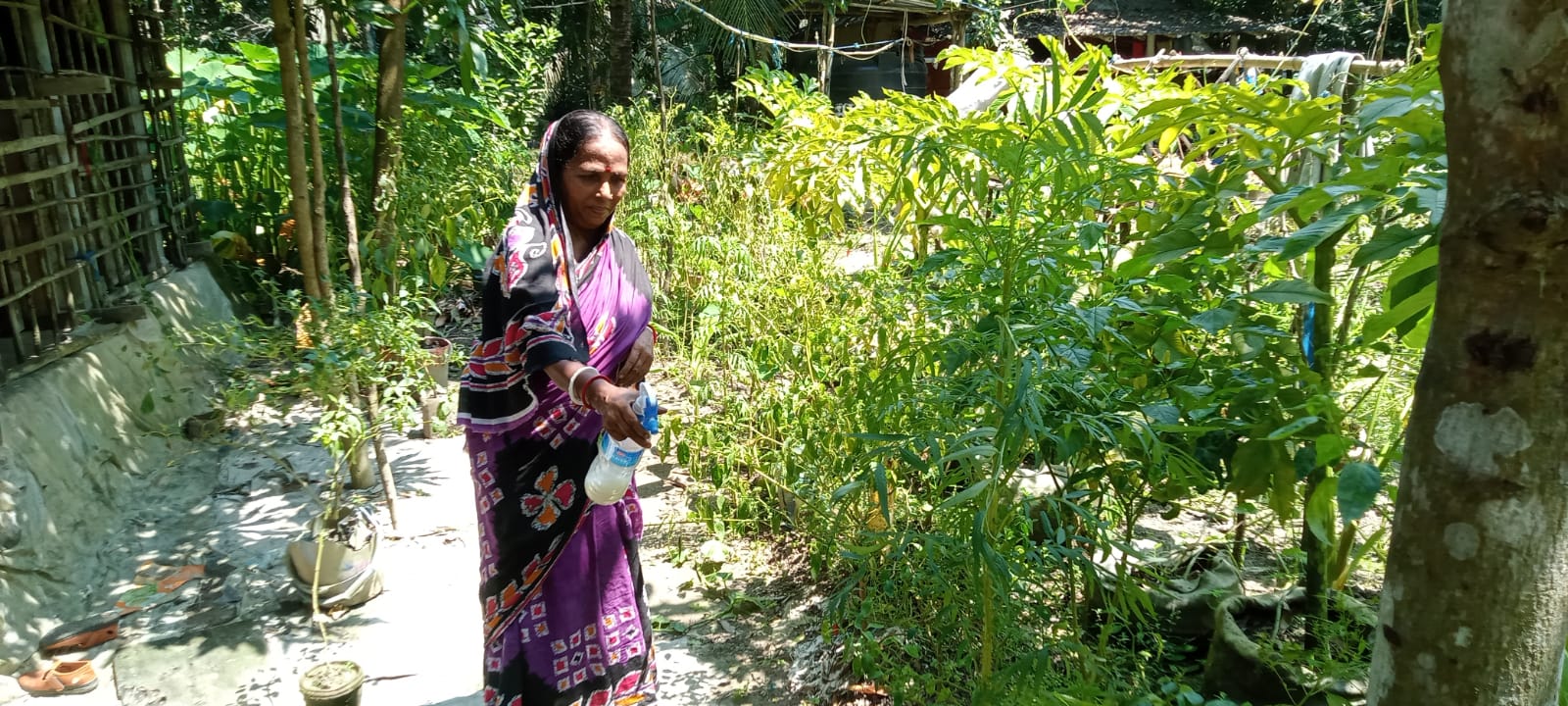
Economic contribution, social recognition and future aspirations
Organic and chemical-free farming has increased Sarma Rani’s family income while reducing production costs. Neighbours and local consumers also visit her house to purchase her chemical-free vegetables. In her words, “It is possible to produce safe food in low cost using locally available resources. This helps to protect soil health, biodiversity and the environment while reducing household food and financial expenses.” Her contribution to family income and food security has strengthened her position within the family. Family members now value her opinions and involve her in decisions about crop selection, seed conservation and production planning. She also plays an important role in decisions concerning her children’s education, health and nutrition, as well as the purchase of land and household furniture. Previously, some family members believed that children in their family could not achieve much through education. Determined to challenge this perception, Sarma Rani took responsibility for her children’s education and succeeded in ensuring their schooling. Her involvement in agricultural training, seed exchange and farmers’ organizations has also expanded her participation beyond the household. By sharing her experiences at meetings and training programs, she has established herself as a confident woman farmer and trainer. Her achievements have strengthened her social recognition, decision-making capacity and leadership. Sarma Rani hopes more farmers and families will adopt organic and chemical-free farming and conserve local seeds. Her journey reveals how women’s knowledge, confidence and experience can contribute to family well-being and inspire wider community change. Her initiative is an exemplary model for promoting safe food production, conserving agricultural biodiversity and advancing sustainable agriculture in Bangladesh’s coastal region.