
By Amit Sarkar from Rajshahi
Chauddopai Slum in Rajshahi city is a densely populated settlement built along a concrete-covered drainage canal. With small tin-roofed houses, narrow passageways and very limited living space, residents have almost no open ground for conventional gardening. For a long time, growing vegetables at home seemed impossible. But women in the slum are proving otherwise. Using soil-filled sacks, plastic bottles and discarded buckets, they are growing vegetables in whatever little space they can find outside their houses and beside narrow walkways. Their efforts are adding fresh vegetables to family meals, diversifying diets and reducing dependence on market purchases.
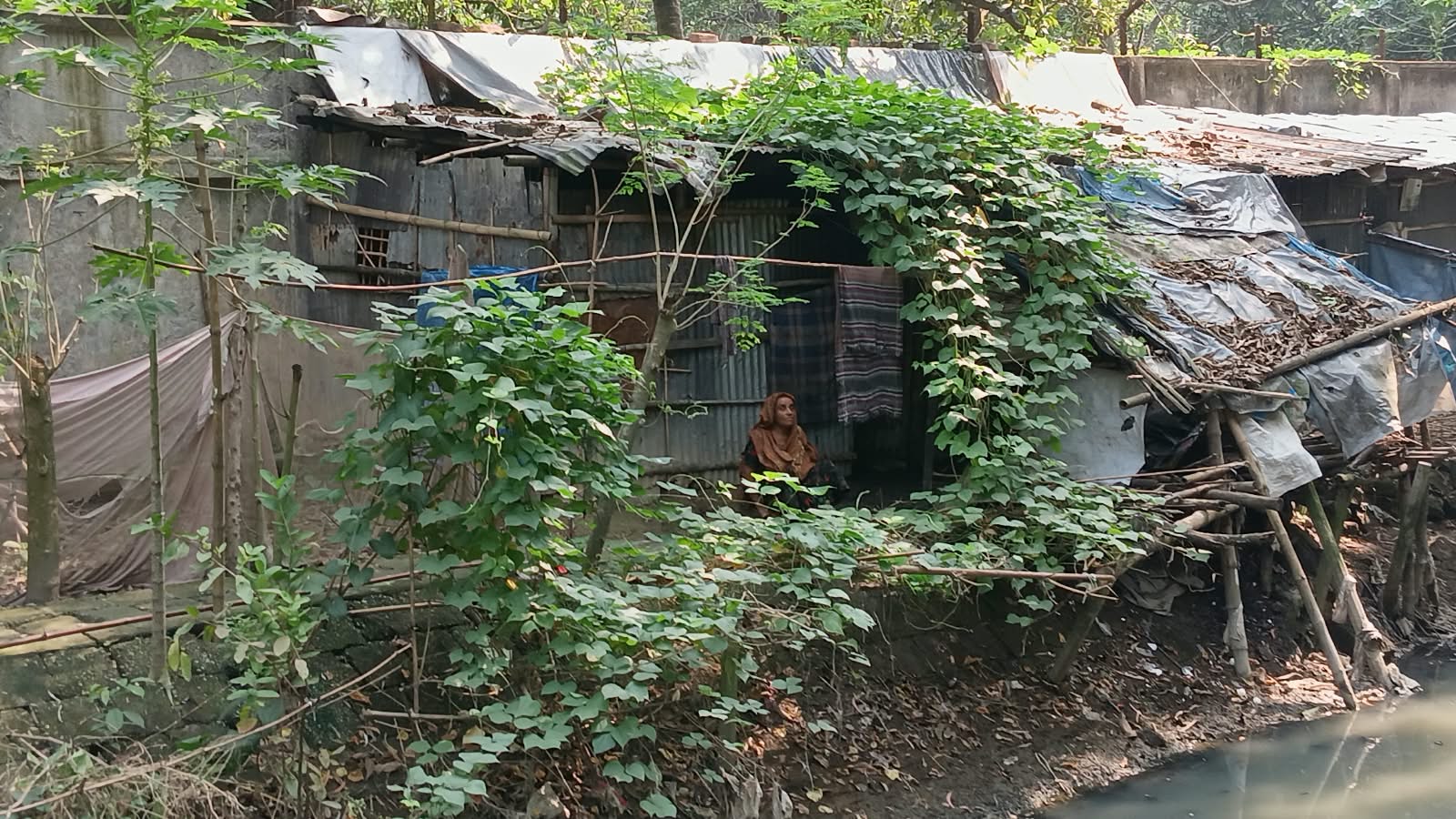
Papya Akter, of the slum, is currently growing bottle gourd and Malabar spinach in sacks. Previously, she grew ash gourd in a sack and trained the vine over her roof. It produced 17 gourds: she sold 10 and kept the rest for her family. She said, “I never imagined vegetables could grow in sacks. Now I know it is possible.” Her experience has encouraged other women to use small spaces around their homes for vegetable cultivation. Besides meeting some household food needs, the produce can also provide modest savings and additional income.
Surjahan Begum finds hope in gardening
For Surjahan Begum, growing vegetables is more than a hobby; it is a practical way to support her family amid financial hardship. Originally from Mohanpur Upazila of Rajshahi, she married Yasin Ali, a landless peanut seller from Bogura, during her adolescence. After 15 years of marriage, he died of a brain tumour. She then returned to Rajshahi with their only son. Unable to depend on her financially struggling family, she built a small home in Chauddopai Slum. Today, her son works as a rickshaw puller, and his modest earnings support their household.
Despite these challenges, Surjahan began growing vegetables in sacks. Her bitter gourd plants produced around 5–6 kilograms, which she shared with neighbours as well as consumed at home. She has now planted beans and bitter gourd again, and the bean plants have started flowering. She has also planted chilli in an empty oil bottle. She said, “With BARCIK’s advice and encouragement, I started growing vegetables in sacks. I have seen the plants grow and produce vegetables. Even though there is barely enough room to walk between our houses, I now understand that we can grow vegetables if we use the available space wisely.”
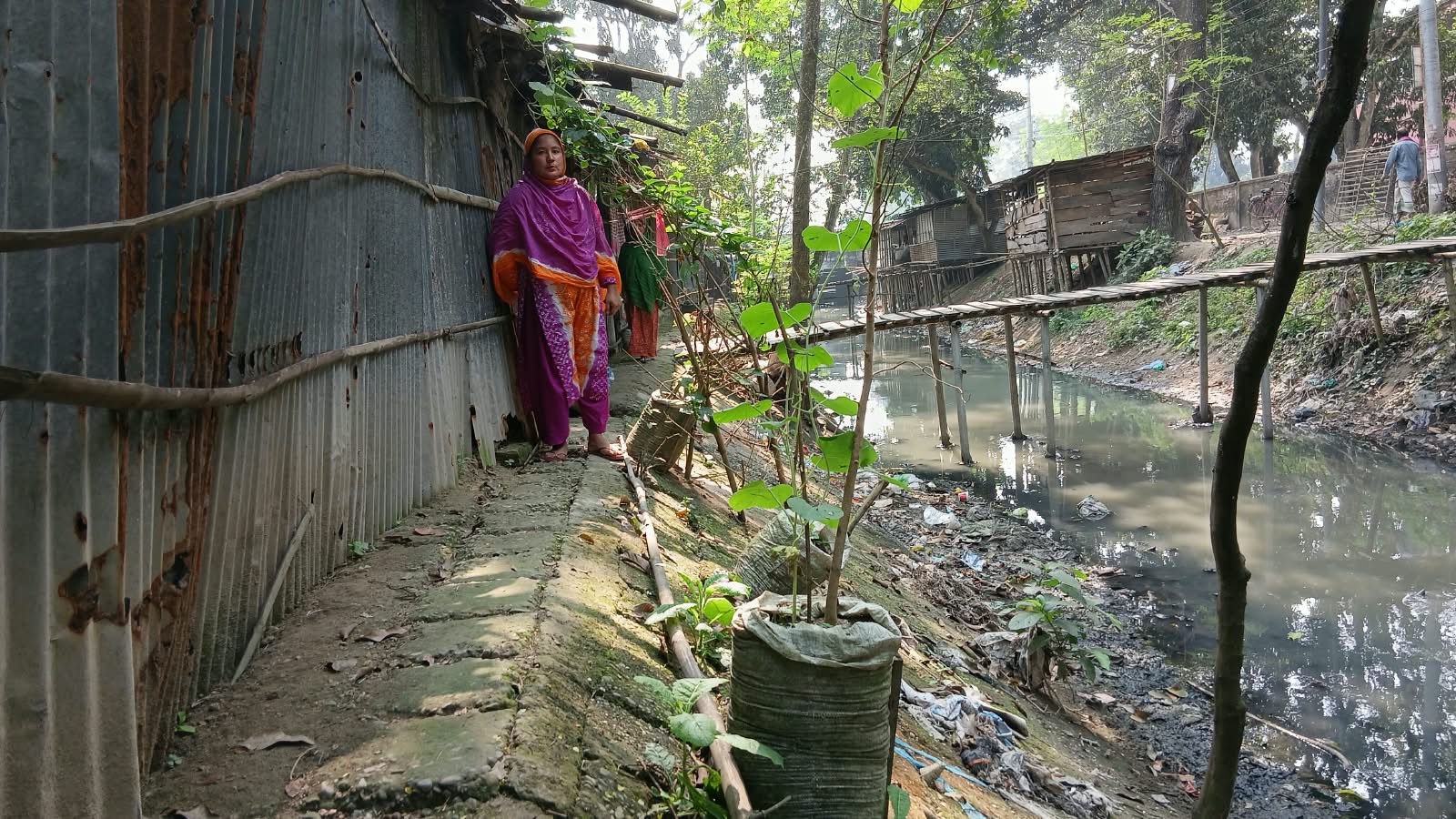
She went on saying “Growing chilli at home means she no longer needs to buy it from the market. After harvesting bitter gourd, she reused the sack to plant beans and started another bitter gourd plant in a separate sack. “If we could grow more vegetables, we would save more money. We could do even more if we had some additional space.” Surjahan’s initiative is not limited to her own household. Anjana, Rubina, Marjina, Momota Begum and many other women in the slum are also growing vegetables in sacks, plastic bottles and old buckets. They continue cultivating according to their means and available space, inspiring one another through their successes. Small green spaces are gradually emerging around their homes.
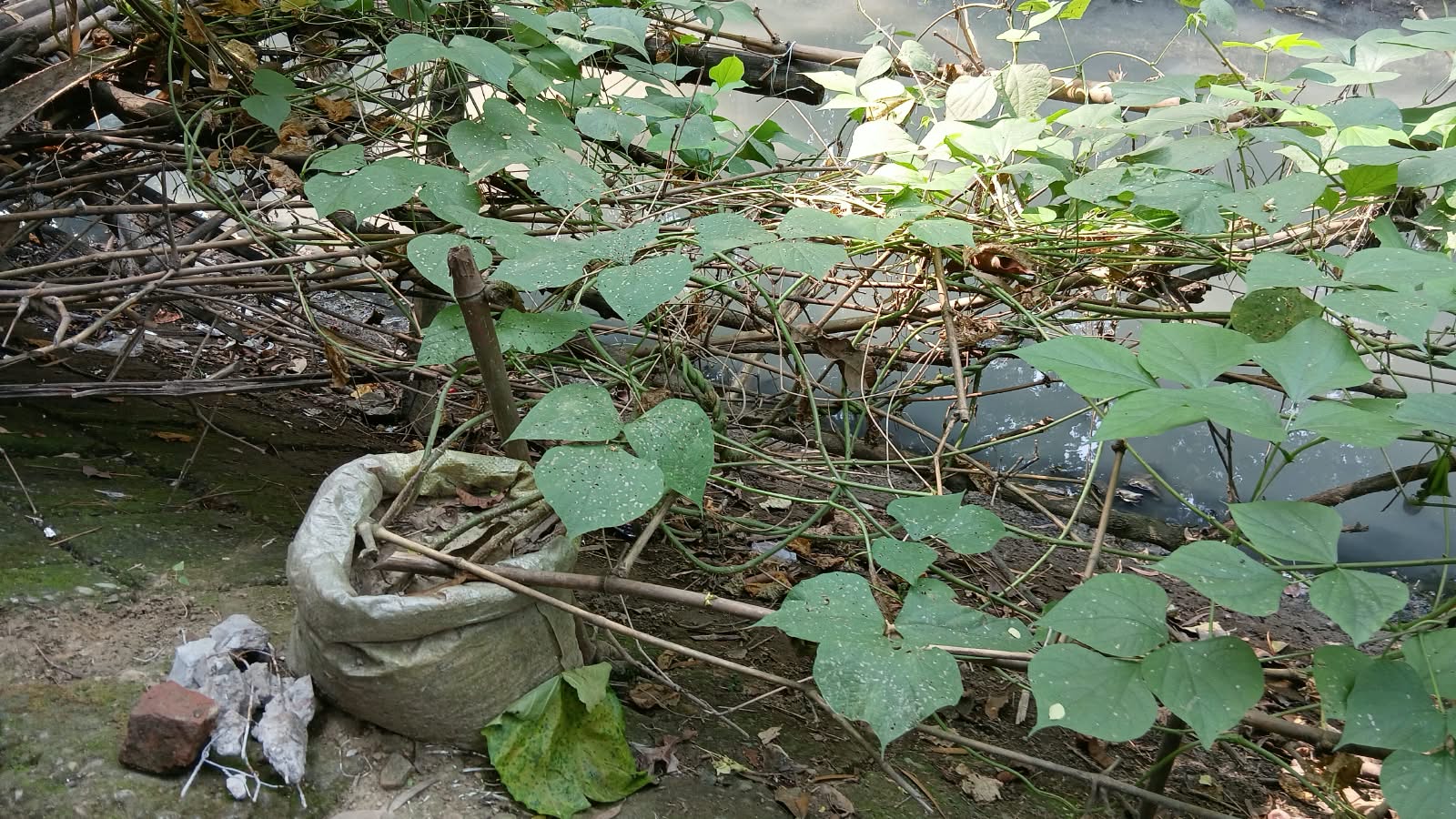
The initiative has been encouraged by BARCIK through regular discussions, practical advice and motivational activities. Considering the living conditions and food and nutrition needs of urban low-income communities, BARCIK has introduced women to alternative vegetable-growing methods suited to their limited space. With guidance and encouragement, the women have taken the initiative into their own hands. The experience of Chauddopai Slum demonstrates how creativity and determination can help low-income urban families adapt to difficult living conditions. These small gardens contribute to household nutrition, diversify diets, reduce food expenses and strengthen neighbourly cooperation through sharing produce. As urbanization reduces open spaces and access to soil, particularly in densely populated low-income settlements, the women of Chauddopai are showing that urban gardening does not always require large plots of land or substantial investment. With initiative, practical guidance and locally appropriate methods, even the smallest spaces can become productive green corners.