
By Nazrul Islam from Manikganj
Along the banks of the Kaliganga River in South Putil of Manikganj Sadar, 51-year-old Saleha Begum has created a remarkable green household where traditional knowledge, biodiversity and agroecology come together.
For Saleha, farming is more than a livelihood. It is a relationship with soil, seeds, plants and nature passed down through generations. She said, “We are children of the soil. If the soil does not survive, how can people survive?”.
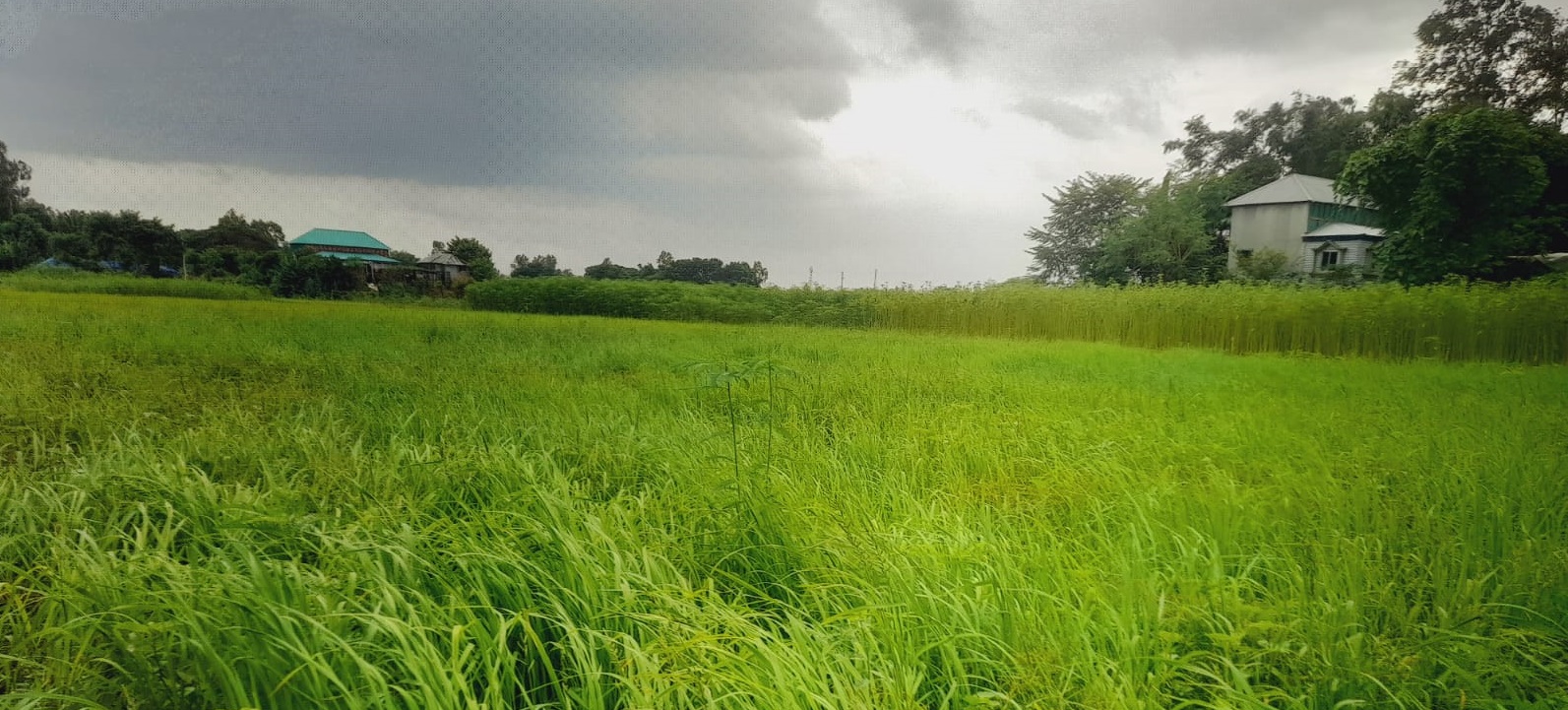
Saleha cultivates 14 decimals of homestead land and five bighas of her own farmland, while another two bighas are under mortgage for sugarcane cultivation. Instead of depending on chemical fertilizers and pesticides, she uses household ash, plant residues, kitchen waste and vermicompost to nourish her crops.
Her farming follows the rhythm of the seasons. During the Aman season, she cultivates traditional and flood-tolerant rice varieties including Dhepu, Bhowaila and Raj Bhowaila, along with Aman Rupa. After the floodwaters recede, she grows groundnut, onion, garlic, sweet fennel, black cumin, cumin and various vegetables. During the summer and Kharif season, her fields produce taro stems, jute, okra, chilli, yardlong beans, hyacinth beans, ridge gourd, bitter gourd, papaya and other crops.
This diversity is central to her agroecological approach. Crop rotation, mixed cultivation, organic inputs and the recycling of farm residues help maintain soil health while reducing waste and dependence on external inputs. She does not use chemical pesticides on her farm.
Her knowledge extends beyond farming. Saleha is also known locally for her knowledge of medicinal plants. She prepares traditional herbal remedies and understands the seasonal properties and uses of different plants. People from surrounding communities seek her advice for various ailments. She does not maintain a fixed price for her remedies; people contribute voluntarily if they wish.
BARCIK has supported Saleha in strengthening and documenting her traditional environmental knowledge through training, seed exchange and agroecology activities. According to Saleha, this support has helped to connect her inherited knowledge with contemporary ideas of climate resilience and sustainable agriculture.
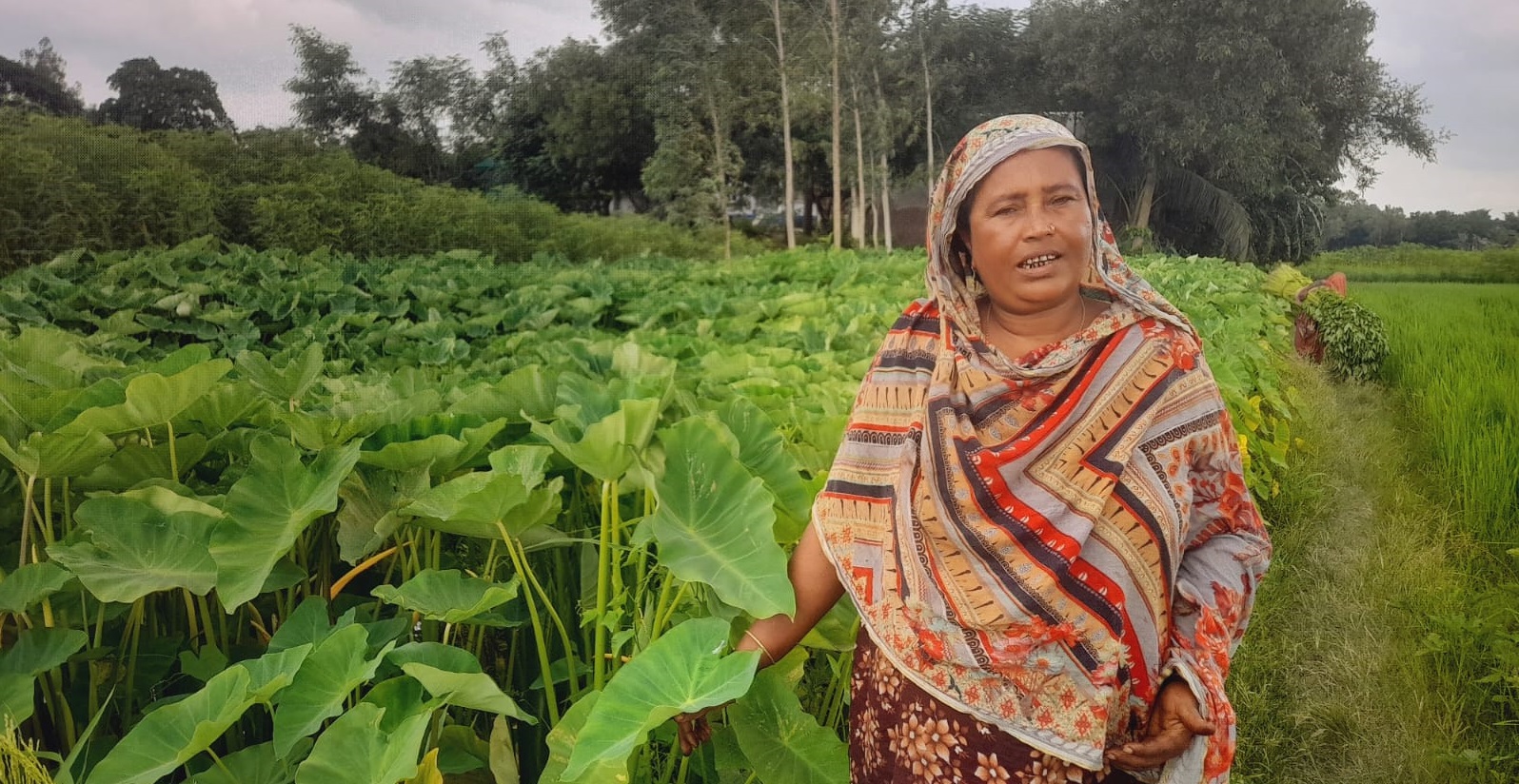
Her husband, Abdul Khalek (Bacchu Poddar), supports her work. She also remains engaged with disadvantaged people in her community, particularly when she learns about government or other support opportunities. Today, Saleha dreams of turning her homestead into a “living museum” and learning centre for agroecology.
“I want researchers, young people and people from home and abroad to come here and see how we can live and become self-reliant without damaging the soil or poisoning nature,” she says.
Standing beside the river, Saleha’s message is simple: “We are children of nature.” Her farm demonstrates how traditional knowledge, biodiversity and agroecological practices can offer practical pathways towards a healthier and more resilient rural future.