
By Kamal Chandra and Ritu Robi Das, from Manikganj
Once marked by poverty, social exclusion and limited access to opportunities, Robidas Para in Manikganj is witnessing significant social change through education, skills development and growing self-reliance. Since 2009, BARCIK has been working with the community to support the rights and sustainable development of the Robidas people. Its initial intervention focused on children’s education. A BARCIK Child Development Centre was established in the community, while free private tutoring was arranged to help children from economically disadvantaged families remain in school. Over the years, this educational support has contributed to greater awareness among parents about their children’s education. Many of the children who once attended the centre are now studying at higher secondary, degree, honours and master’s levels. Community awareness has also contributed to the elimination of child marriage in Robidas Para, which is now described as a child-marriage-free community.
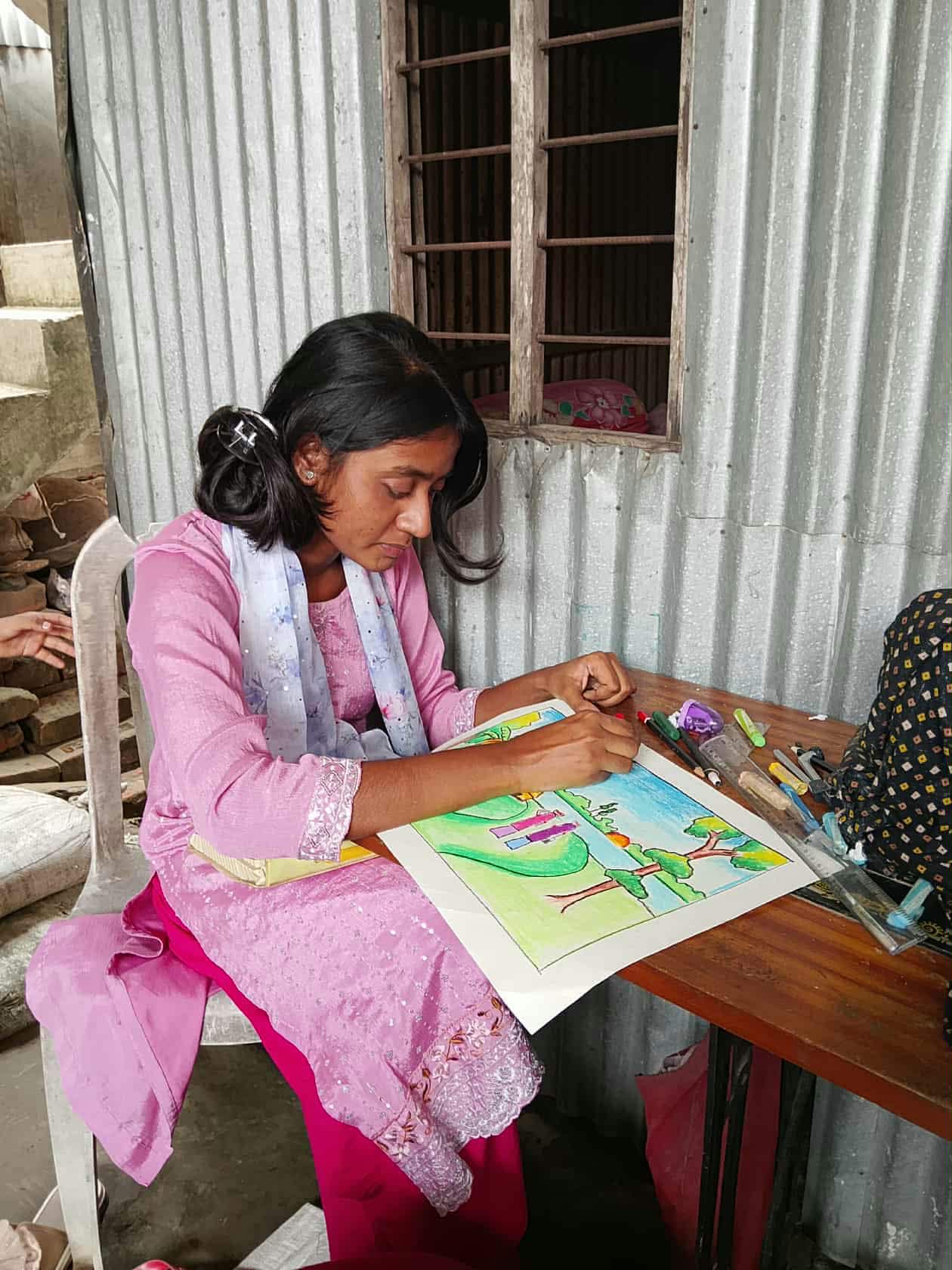
Education creating new opportunities
Education has opened new pathways for young people, particularly women. Some have become nurses, while others have started businesses. Students are also using their academic skills to provide private tuition, helping cover their own educational expenses and support their families. Women are increasingly accessing government skills-training programmes. After receiving sewing training and sewing machines through government and development support, several women are earning from home and contributing to household income. Technical training and access to government services have also increased. Some young people are saving the financial assistance received after training rather than spending it immediately, with the aim of building a more secure future.
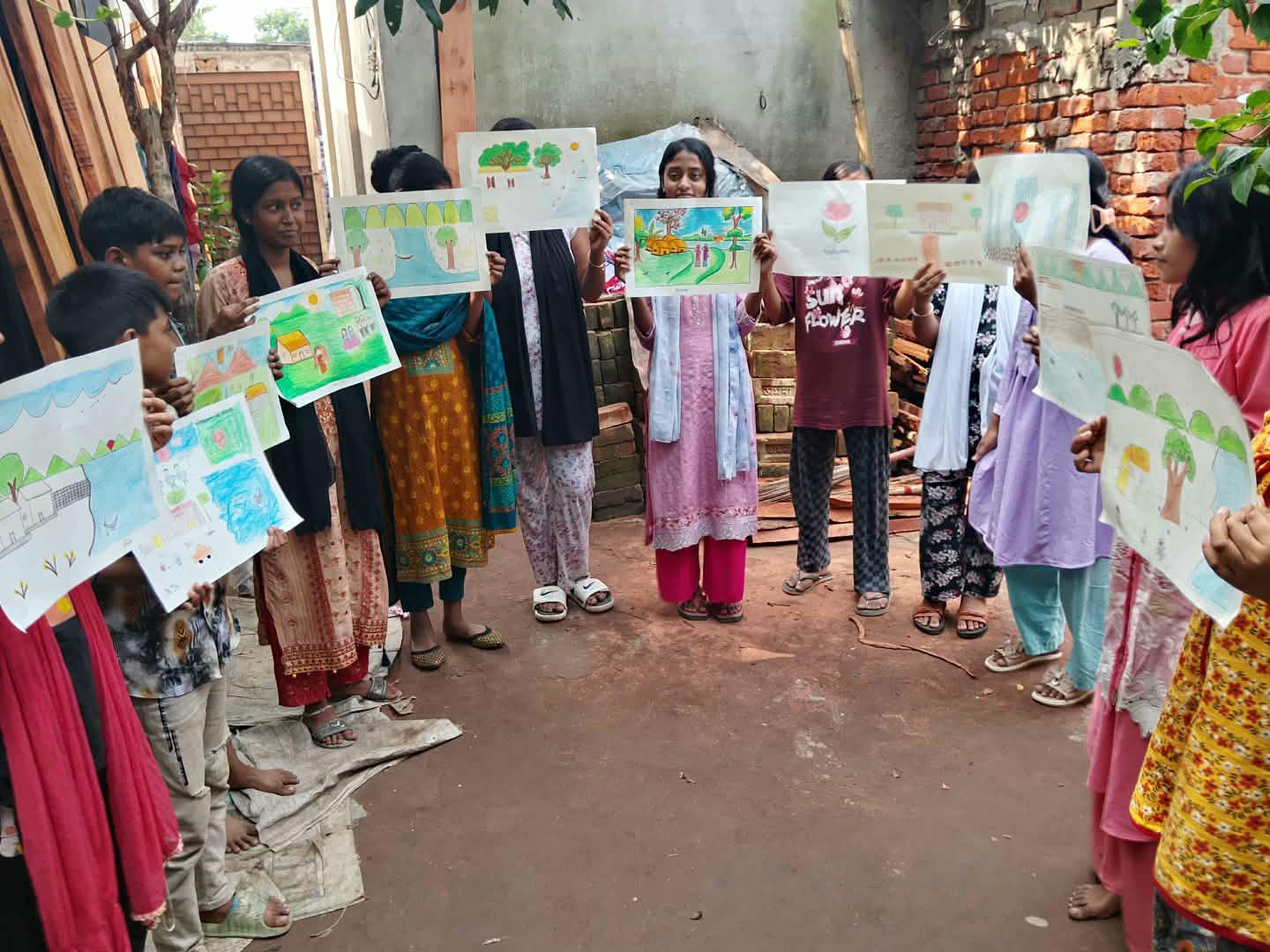
Stories of determination
Iti Robidas, entrepreneur: After losing her father, Iti continued her studies while starting a small business. Income from the business enabled her to support the marriage of her two elder sisters and later cover her own marriage expenses. She now plays an important role in supporting her family through her business. Jyoti Robidas, nurse: Breaking traditional expectations, Jyoti pursued a career in nursing. She now supports her household through her earnings and sends BDT 3,000 every month to her mother. Manisha, student: Alongside her studies, Manisha works as a private tutor to meet her own expenses. She also uses part of her income to support her grandfather’s family. Stories like those of Iti, Jyoti and Manisha are encouraging other young people in the community to pursue education, employment and entrepreneurship.
Greater awareness of rights and improved access to government and development services has also contributed to changes in the community. Women are increasingly engaged in income-generating activities, while economic independence and greater family awareness have helped create an environment of greater respect, equality and security. Once left behind by poverty and social disadvantage, Robidas Para is now emerging as an example of how education, skills development, opportunity and community awareness can help to create pathways towards self-reliance and social change.