
ABM Touhidul Alam, BARCIK, Dhaka
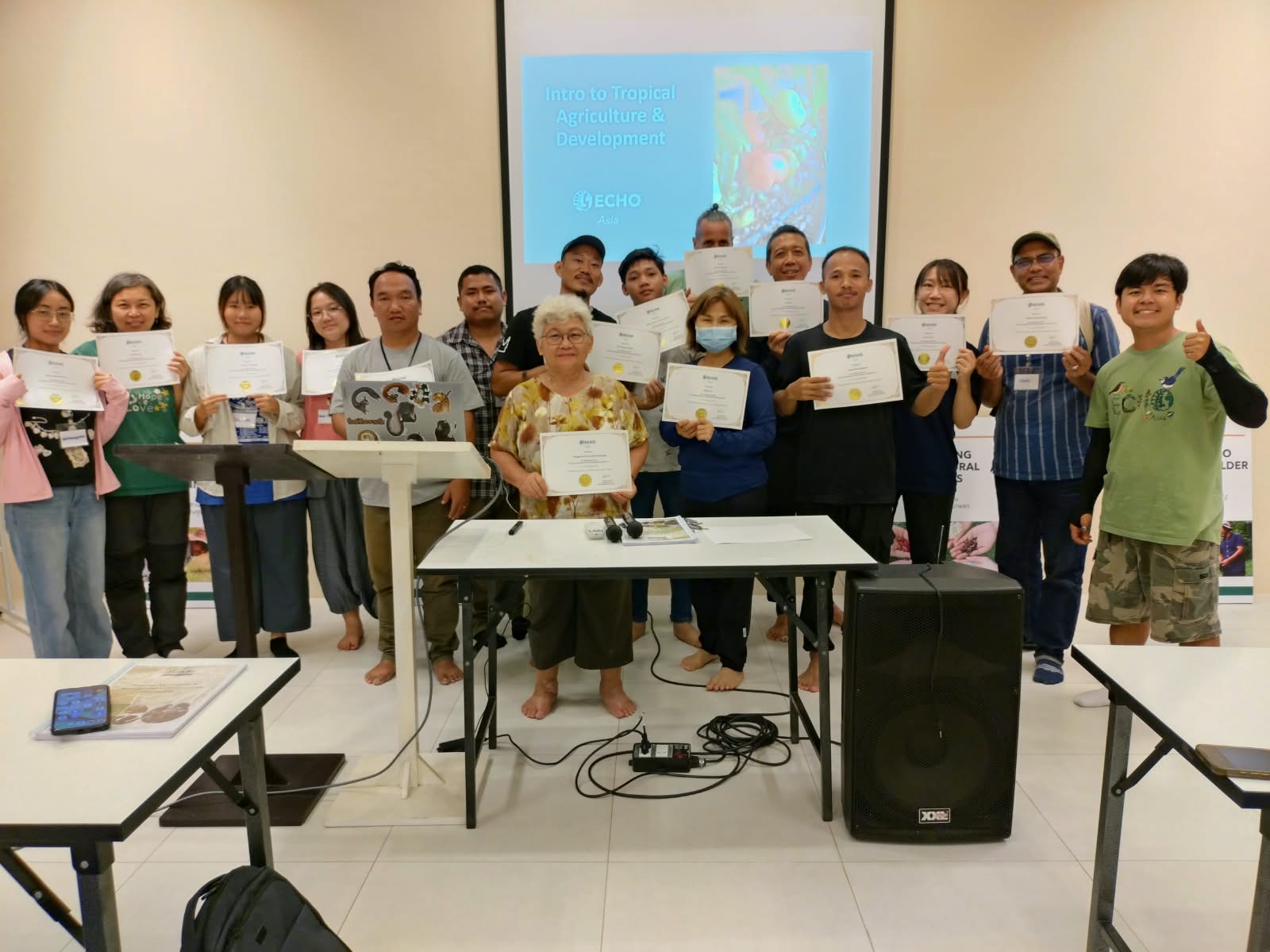
Seventeen participants from different countries and professional backgrounds gathered at Sala Conference Centre in Chiang Mai, Thailand, to participate in the Introduction to Tropical Agriculture and Development (TAD) training course, held from 2 to 7 November 2026. The six-day programme was organized by ECHO Asia Impact Center at the ECHO Asia’s Small Farm Resource Centre in Chiang Mai.
The training aimed to strengthen participants’ understanding of sustainable tropical agriculture, community development and practical approaches to addressing the challenges faced by smallholder farmers. It covered a wide range of topics, combining technical knowledge with practical learning and experience-sharing.
Learning about Sustainable Agricultural Practices
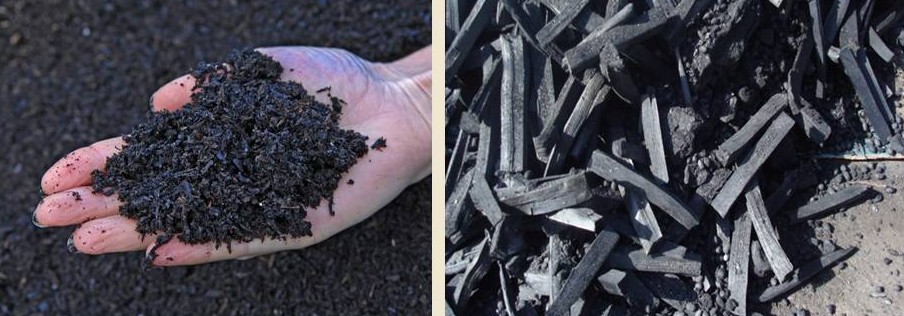
The opening sessions focused on the challenges facing smallholder farmers, the principles of community development and practical approaches to working with farming communities. These discussions provided a foundation for understanding the links between agriculture, livelihoods and community development. Soil health and improvement were major areas of learning. Participants explored biochar production, green manure, cover crops and composting, with a focus on improving soil fertility and promoting sustainable farming practices. The day also covered vegetative propagation and its application in plant production.
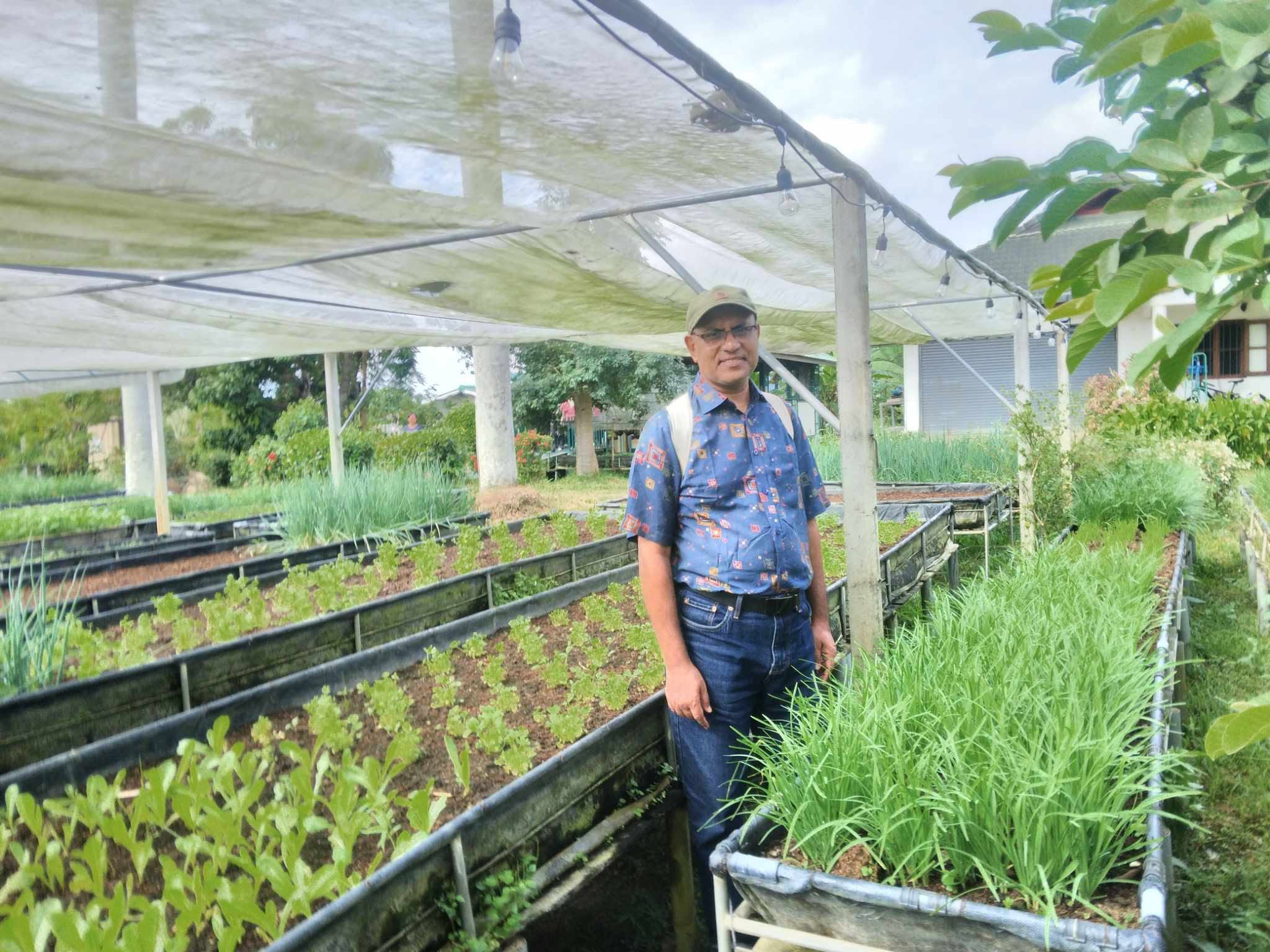
Another important component focused on plant and seed systems. Topics included seed systems in agricultural development, seed saving, seed production, pest and disease identification, and natural approaches to pest management. These sessions highlighted the importance of conserving native seeds and promoting locally appropriate solutions for sustainable crop production.
Appropriate Technologies and Livestock Management
The training also introduced participants to appropriate technologies that can support smallholder farmers. Topics included solar dryers and bio-sand water filtration systems, including a 300-litre-per-day filtration system. Participants also explored neglected and underutilized species (NUS), including their potential contributions to food diversity and nutrition. An NUS survey and cooking session were included in the programme.
Livestock development was another key learning area. Sessions covered livestock nutrition, locally available feed options, planning and initiating animal-rearing projects, and appropriate animal housing. These topics provided insights into practical approaches to improving small-scale livestock management.
Practical Learning through Farm Visits
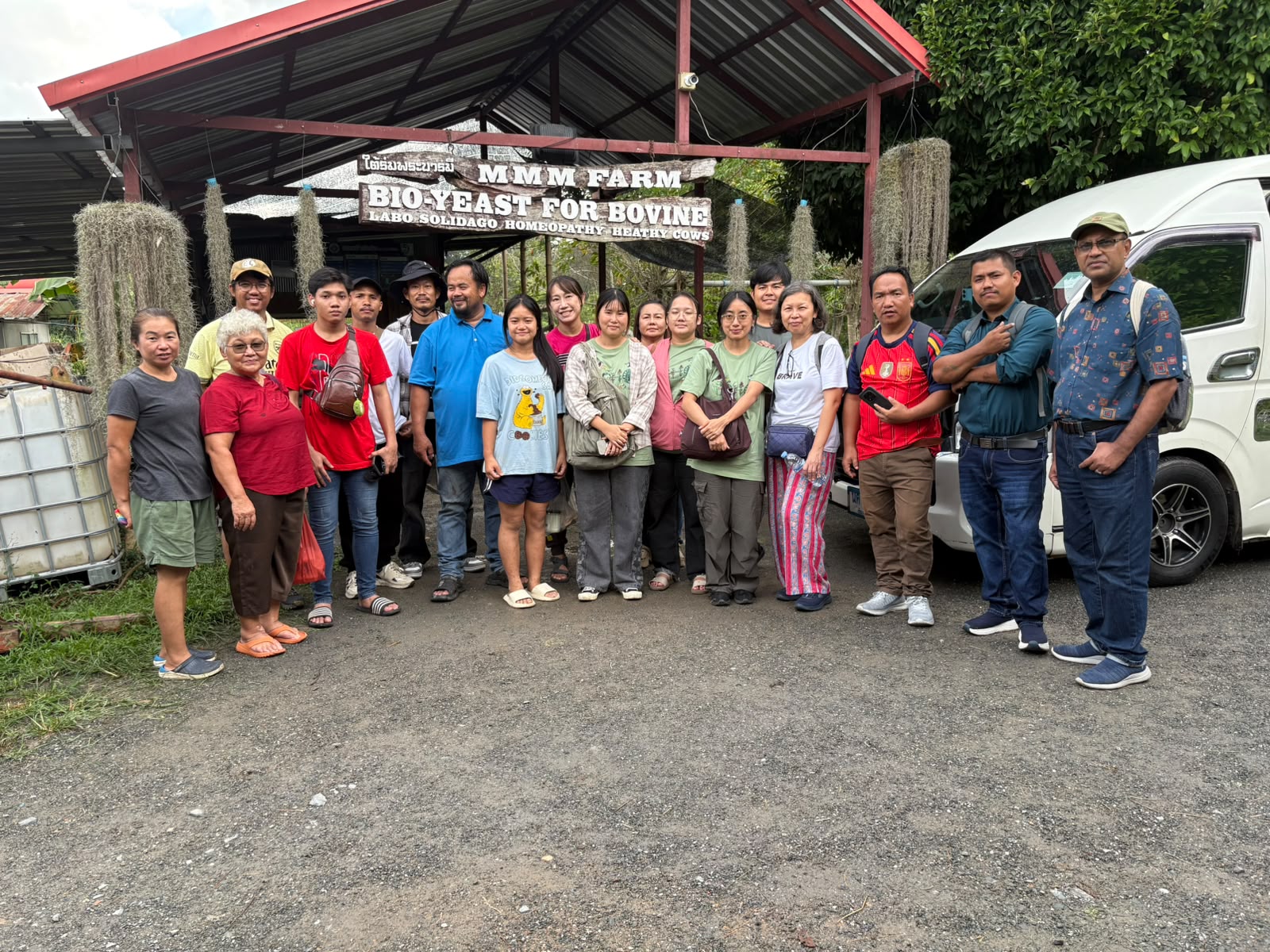
The final day of the training included visits to two local farm sites, P’Lawan and MMM Dairy. These visits were designed to complement the training sessions by providing opportunities to observe local farming practices and gain practical insights into agricultural and livestock-related activities.
Sharing Knowledge and Building Connections
The training provided an opportunity for participants from different countries and professional backgrounds to exchange experiences, share knowledge and learn about practical approaches to sustainable agriculture and community development.
As part of a gesture of solidarity and knowledge-sharing, each participant received a free set of 10 native seed species. Certificates were also awarded to participants in recognition of their participation in the training.
The knowledge and experiences gained from the programme offer useful learning opportunities for strengthening agroecological practices, supporting smallholder farmers and promoting sustainable agricultural development. These lessons are also relevant to BARCIK’s ongoing work on agroecology, biodiversity conservation, farmers’ knowledge and climate-resilient livelihoods in Bangladesh.