
By Suparna Mitra from Satkhira
Staff members of the Environmental Human Rights for a Just Transition: Strengthened Local CSOs Transforming Climate Hotspots into Resilient Communities (ENGAGE) project, implemented with financial support from the European Union and NETZ Partnership for Development and Justice Bangladesh, conducted a field visit and a day Steering Meeting in Rajshahi on 15-16 June 2026. The activities took place in the working areas of DASCOH, one of the project’s partner organizations.
As part of the programme, a field visit was organized on the first day. Staff members from BARCIK, CODEC and DASCOH were divided into three teams and visited project-supported Civil Society Organizations (CSOs) and Student Forums in three upazilas.
At Kadamshahar Higher Secondary School in Deopara Union of Godagari Upazila, Rajshahi, team members interacted with Student Forum and CSO representatives to learn how environmental human rights activities are being implemented at the school level. Through songs, poetry, drama on local water issues, and information stalls set up on the school premises, students showcased a range of awareness-raising initiatives aimed at protecting environmental rights. They also shared their achievements, challenges, and experiences in conducting awareness campaigns within their communities.
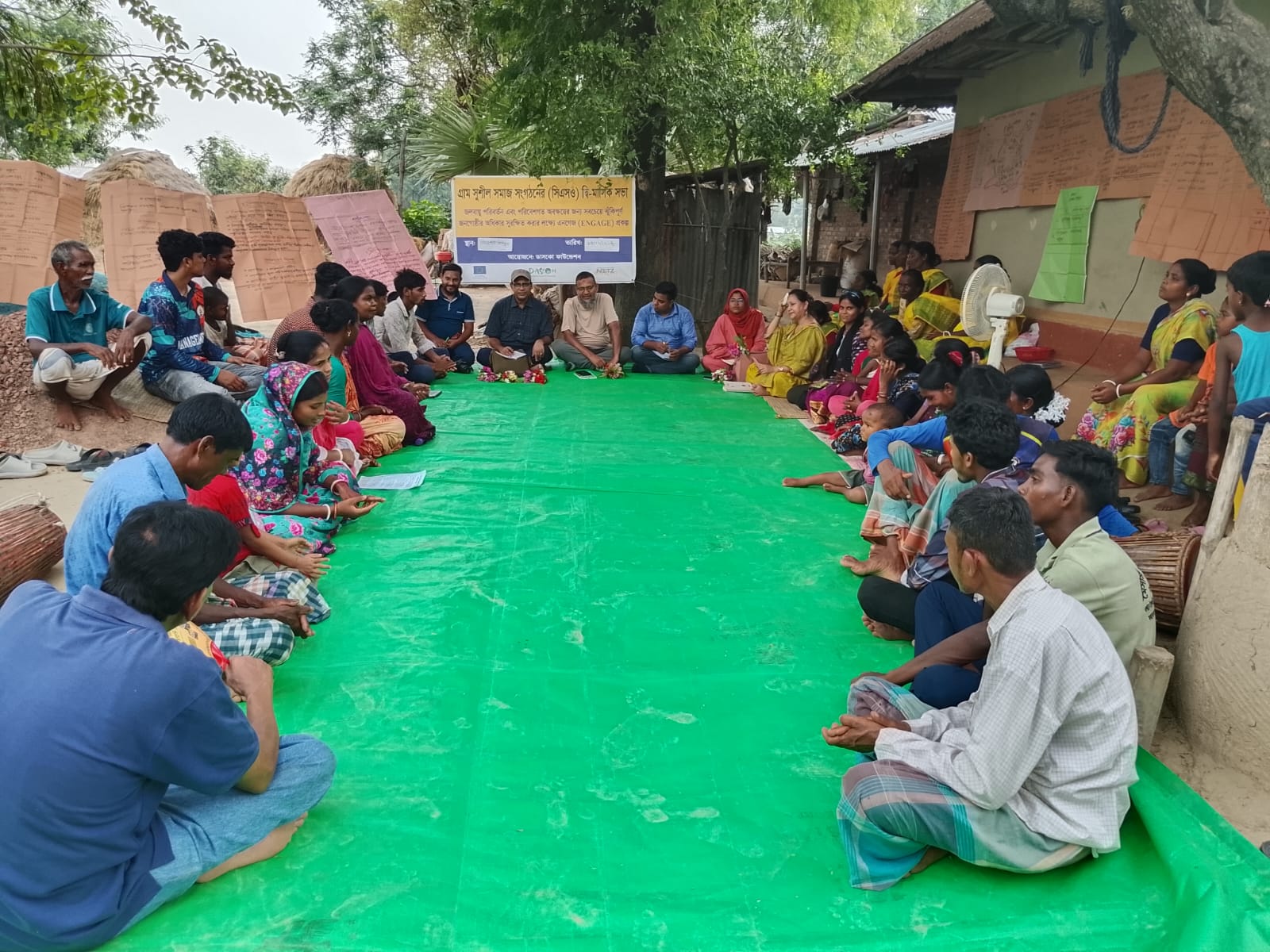
In another field visit, team members met Indigenous women from Adarpora village in Rishikul Union of Godagari Upazila of Rajshai District. The women highlighted local challenges related to sanitation and drainage, their initiatives to reduce the use of polythene, and various social issues affecting their daily lives. They also spoke about the discrimination and deprivation faced by minority communities.
On the second day, the Steering Committee Meeting was held at the DASCOH auditorium. Sara Khatun, Programme Manager of the ENGAGE Project at NETZ Bangladesh, presented the decisions of the previous Steering Meeting. As no amendments were proposed by the participants, the decisions were unanimously endorsed.
The meeting focused on reviewing the overall progress of the project, assessing the current status of implementation, identifying achievements and challenges, and discussing future plans. Participants evaluated progress towards project objectives and expected outcomes, while also considering strategies to address emerging challenges and risks. Discussions further covered financial and technical management, stakeholder engagement, and measures to ensure the quality and effectiveness of project activities.
Key agenda items included reflections from the field visits, a review of the implementation status of previous decisions, project progress presentations, financial updates, and planning for the next six months.
The Steering Committee Meeting was conducted using a participatory approach following adult learning principles. Participants actively shared their knowledge and experiences, with particular emphasis on climate change-induced human rights violations and the impacts of environmental degradation on vulnerable communities.
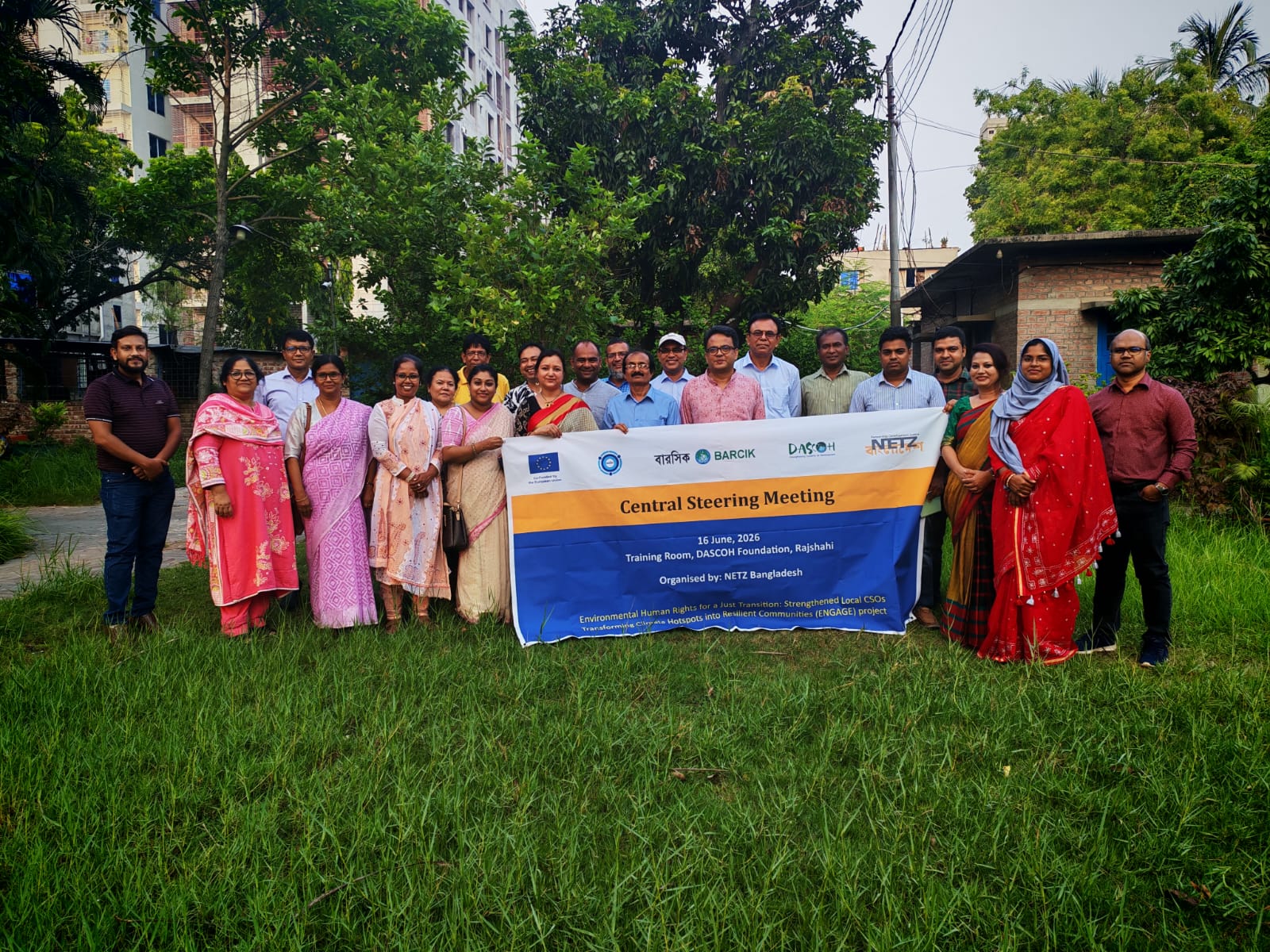
During the field visit reflection session, participants observed that while the project effectively addresses human rights issues, climate-related human rights violations are not yet being adequately documented and highlighted. Members of each visiting team then presented their observations, experiences, and recommendations.
Representatives from DASCOH, BARCIK and CODEC delivered separate presentations highlighting project activities, achievements, challenges, and lessons learned over the past six months. Following the presentations, participants provided feedback and engaged in detailed discussions on various aspects of project implementation.
Finance and accounts officers from DASCOH, BARCIK and CODEC presented financial progress reports. In addition, the Technical Officer of NETZ Bangladesh facilitated discussions on several important project-related issues, with special attention to the Financial Support to Third Parties (FSTP) component.
The entire Steering Committee Meeting was facilitated by Sara Khatun, Programme Manager of NETZ Bangladesh. Alongside reviewing project progress, she provided valuable guidance to enhance the effectiveness and impact of future activities. The meeting was attended by executives Directors and programme directors, project coordinators, technical officers, area officers, and representatives of the ENGAGE project implementing organizations, namely BARCIK, CODEC and DASCOH, as well as representatives from NETZ Bangladesh.