
By Sultana Khatun, from Rajshahi
Dighipara is a village in Darshanpara Union of Paba Upazila, Rajshahi, in Bangladesh’s Barind region. It has around 75 households, with nearly 80% of rural community engaged in agriculture. Since 2021, BARCIK has been working with the community to promote sustainable livelihoods and environment friendly farming.
In 2026, BARCIK and the Dighipara Women’s Organization established the Dighipara Agroecological Learning Centre (ALC) in Ward 7 of Darshanpara Union. More than 800 farmers, women, men and young people are connected with the centre, while around 40 regularly participate in its activities. The centre promotes agroecology, food sovereignty, indigenous seed conservation and local knowledge through practical learning and experience-sharing.
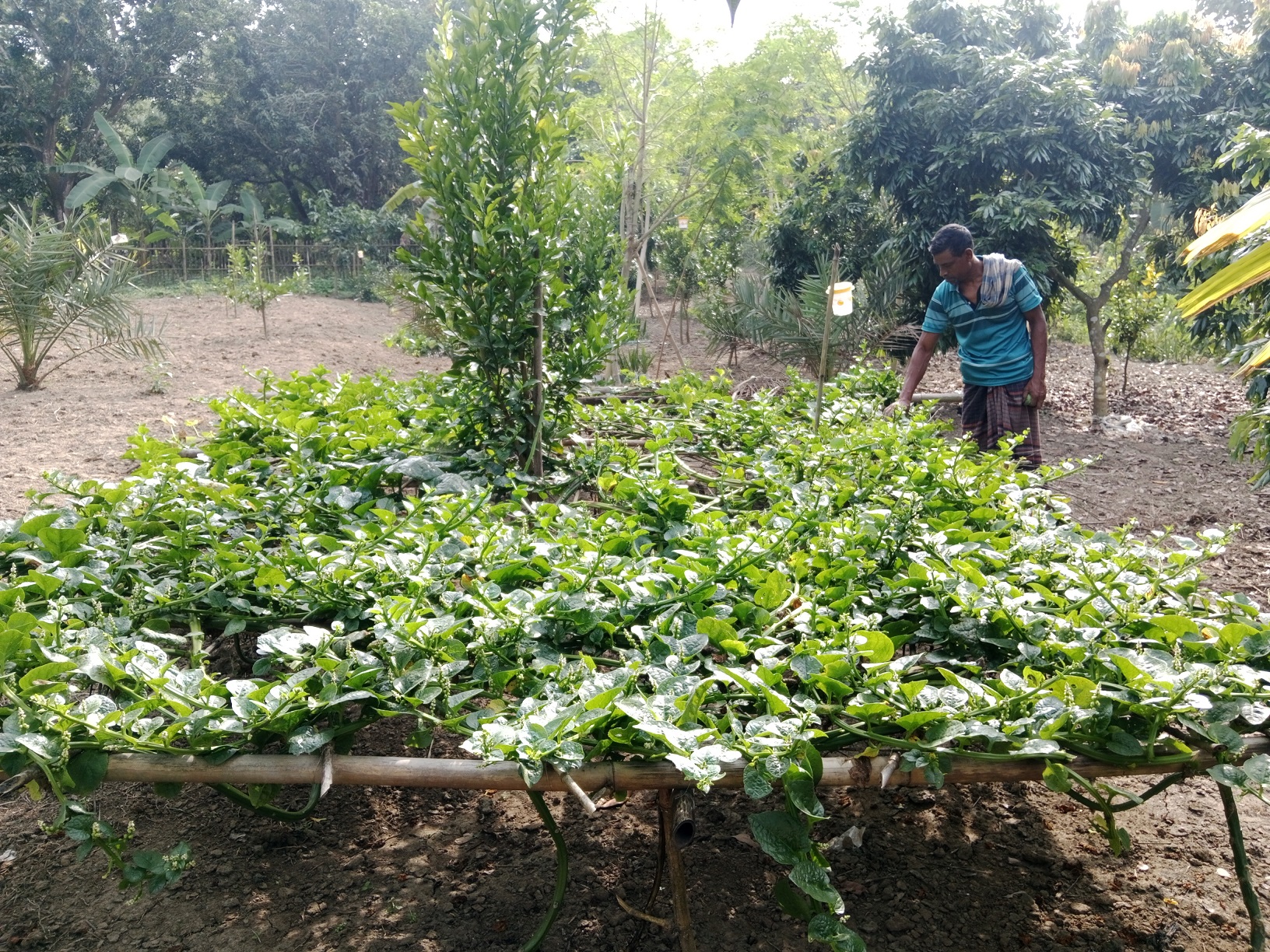
Seed conservation and exchange are among its major activities. The community currently conserves around 40 varieties of vegetable, winter-crop and medicinal seeds. Farmers produce and conserve these seeds themselves, with women playing an important role. Each year, approximately 300 farmers from Dighipara and neighbouring communities exchange seeds according to seasonal needs, reducing dependence on commercial seeds.
The ALC also promotes traditional agricultural knowledge and low-cost practices. Farmers prepare bio pesticides using neem, nishinda, henna, mahogany and papaya leaves. They use wood ash and light or sticky traps to control pests. Compost made from livestock manure, dry leaves and household organic waste, along with green manure and crop rotation, helps maintain soil fertility. Traditional seed-storage methods using neem leaves and dried chillies protect seeds from pests. Farmers also observe soil characteristics, cloud patterns and insect behavior to understand weather conditions.
Climate adaptation is another priority. Increasing drought, erratic rainfall and water scarcity threaten agricultural production in the Barind region. The centre encourages farmers to use local crop varieties, diversify production, reduce chemical inputs and improve soil health. Training has introduced climate-resilient techniques such as sack and crate gardening, vertical cultivation, recycling plastic containers and growing spices in shaded spaces. Consequently, several households have started producing vegetables in previously unused spaces around their homes.
Women and young people are also becoming more engaged in agriculture. Although male farmers currently lead the centre, women actively participate in its activities. Doli Begum, a local farmer, has gradually shifted from chemical-based farming to environment friendly vegetable production through the ALC’s experience-sharing activities. She now encourages other farmers to adopt similar practices.
The centre is also creating wider social change. Women’s contributions to seed conservation and homestead gardening are gaining greater recognition, strengthening their confidence and participation in household and community decisions. Farmers, students, traditional practitioners and older people use the centre to exchange seeds, seedlings and knowledge. Discussions also raise awareness of land rights, seed sovereignty and access to public agricultural services.
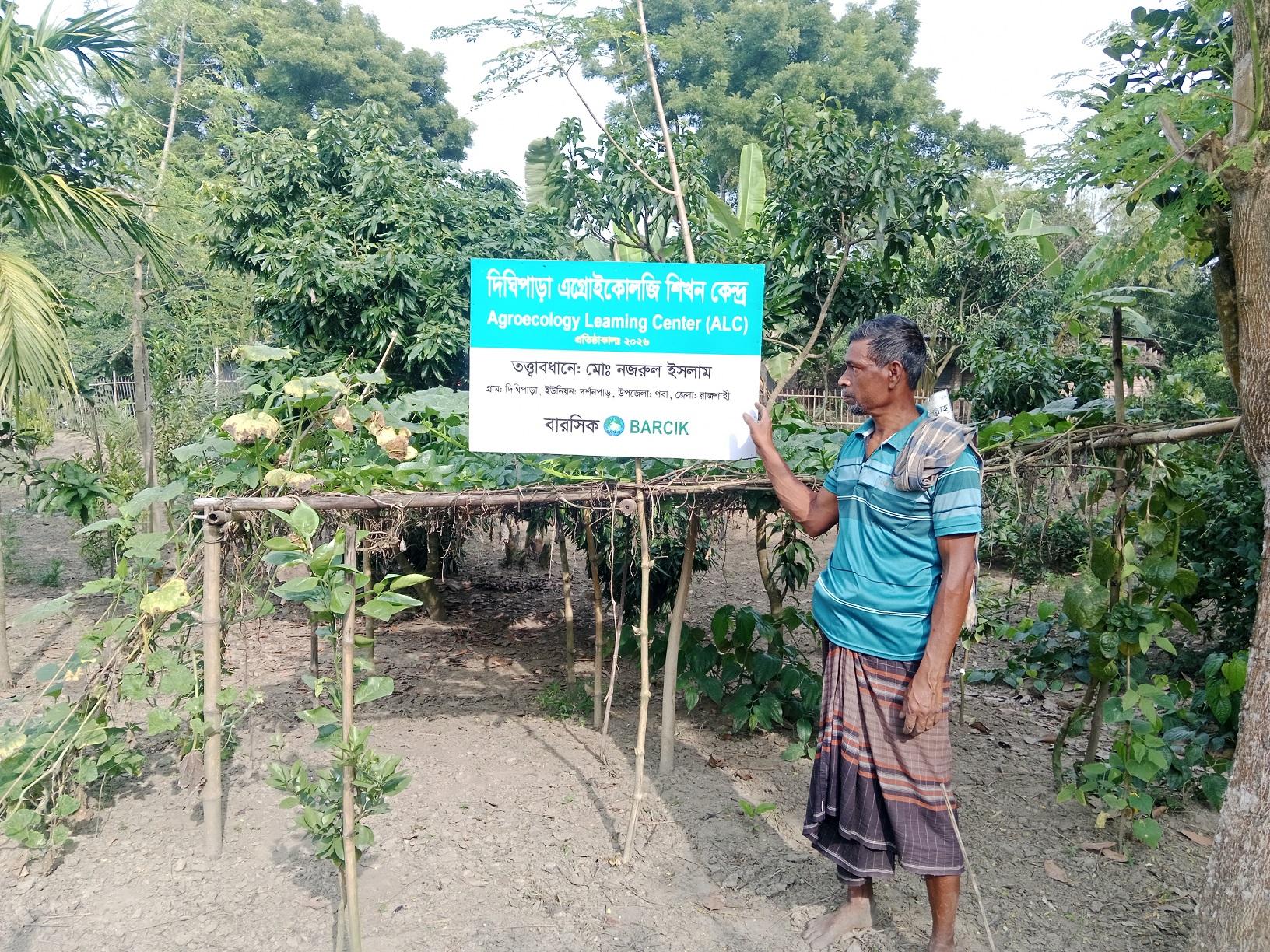
A community committee involving BARCIK representatives, farmers, women, youth and respected local people oversees the centre. However, challenges remain, including farmers’ dependence on chemical inputs, limited technical expertise, inadequate markets for agroecological products and competition from commercial hybrid seeds.
To ensure sustainability beyond project support, the community needs stronger local management, an expanded seed bank, farmer-led research on climate-resilient varieties and better market connections. School-based seed libraries and student visits could also encourage young people to value agroecology.
Dighipara ALC demonstrates how collective learning, indigenous knowledge and community initiatives can transform farming practices while strengthening seed sovereignty, women’s participation and environmental awareness. With continued community ownership and institutional support, it can become a model for agroecological transformation in the Barind region.