
By Shahinur Rahman, from Manikganj
Transforming society and defending people’s rights is never easy, particularly for women facing social and family barriers. Hosne Ara, 42, from Char-Magra village in Baldhara Union, Singair Upazila, Manikganj, is an inspiring example of a woman who has overcome such challenges to become a farmer organiser, agricultural leader and elected representative. Married at an early age, Hosne Ara faced difficulties in her family life. She is now a mother of two daughters. With only 35 decimals of cultivable land of her own, she also leases four bighas to pursue farming. Her direct experience as a farmer has helped her understand farmers’ challenges and rights, motivating her to work for agricultural development and community welfare. As an elected woman member of Baldhara Union Parishad, she has been organizing women and men into farmers’ groups for the past four years. Through these groups, she promotes farmers’ rights, safe food production, women’s empowerment and social development. She believes meaningful change requires the collective participation of farmers, women, men and the wider community. Leadership has not come easily to her as a rural woman. Despite family and social barriers, she has actively engaged in community development initiatives. Her experience with farmers’ organizations has shown her how collective action can help farmers discuss their problems, exchange experiences and explore opportunities for cooperation in agriculture, environmental protection and livelihoods.
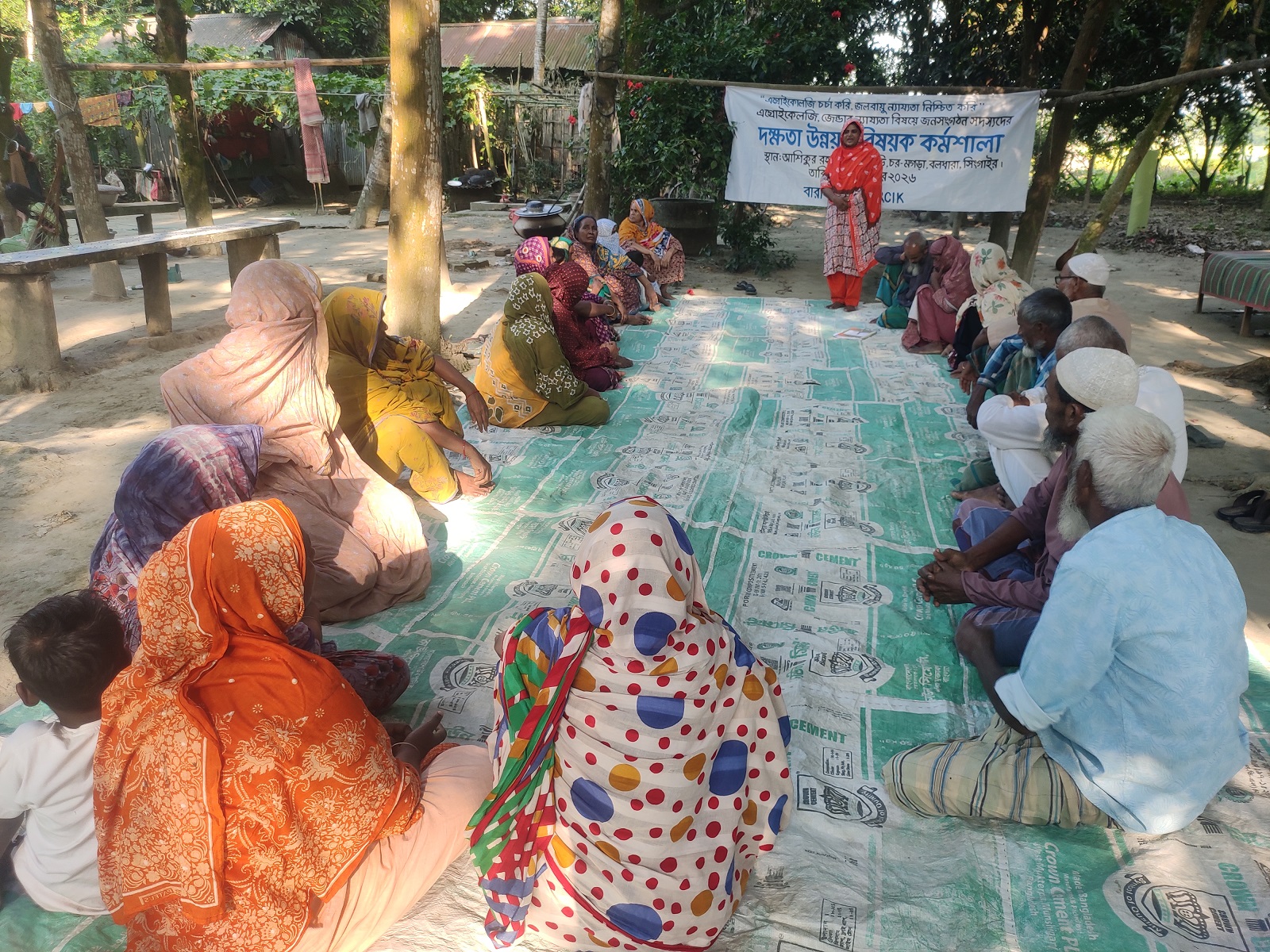
With support from BARCIK, Hosne Ara has received training in organic fertilizer production, preparation and application of bio-pesticides, seed conservation, leadership development and community organization. These experiences have strengthened her knowledge and skills in safe and agroecology. She encourages farmers to use local resources, produce organic fertilizers, conserve suitable local seeds and manage crop pests through environmentally responsible methods. She understands that organic fertilizers improve soil organic matter and help maintain soil health. She said, “I want farmers to become organized, understand their rights and produce safe food. I also want to see a society free from child marriage. Protecting agriculture and the environment requires our own initiatives. Women and men working together can bring greater development to our villages,” she says.
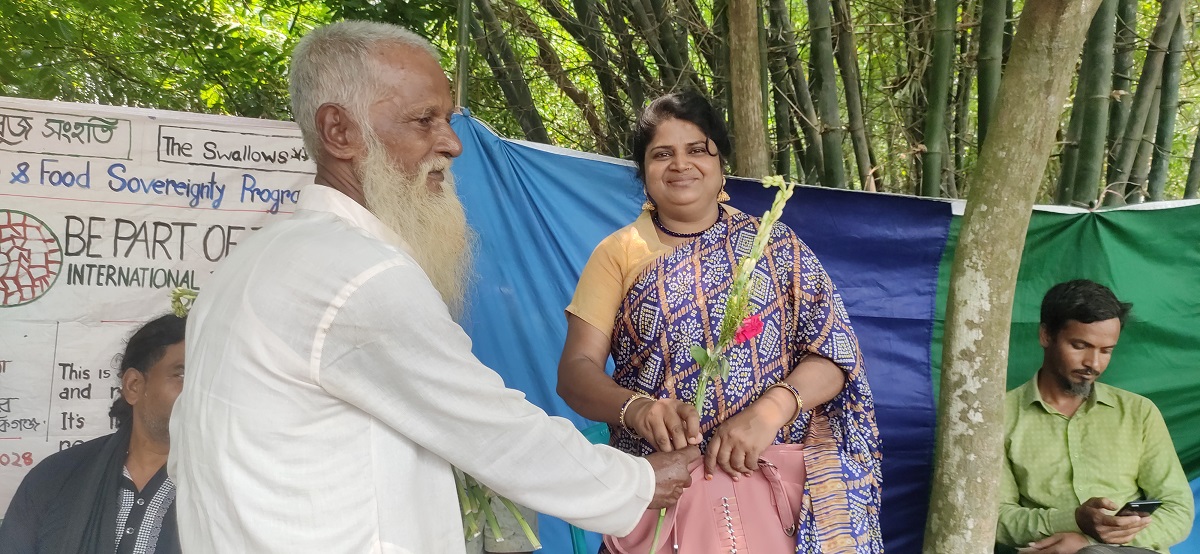
Connecting community leadership with public representation
Hosne Ara believes that the responsibility of an elected representative goes beyond listening to people’s problems. It also involves raising their concerns with relevant authorities, seeking solutions and ensuring community participation in development initiatives. She considers agriculture, food security, women’s empowerment, environmental protection and rural well-being interconnected issues that require coordinated action. Linking farmers’ organizations with local government representation can help ensure that people’s experiences and priorities receive attention in development planning. She also believes women’s participation in leadership expands opportunities for other women to express their opinions, participate in decisions and take leadership roles in their families and communities.
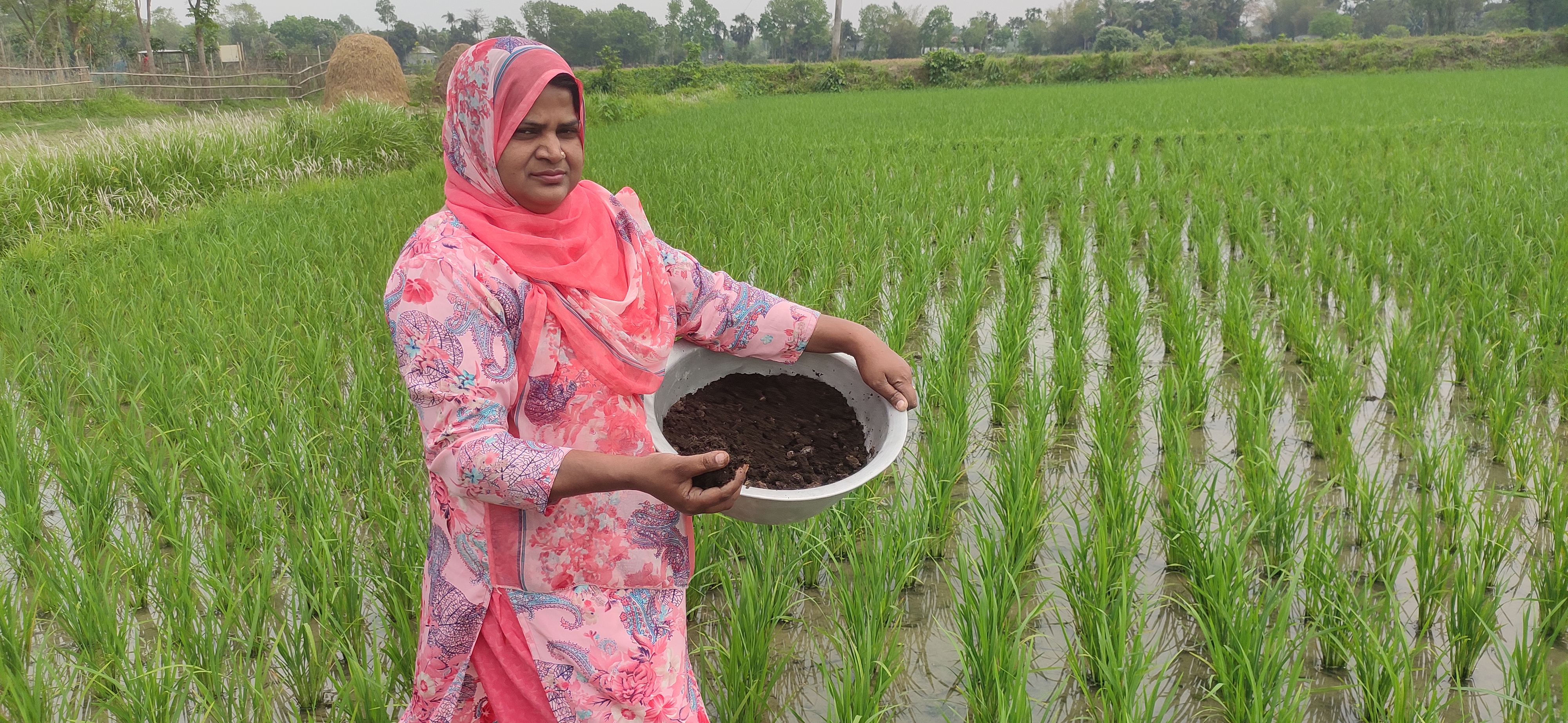
Recognition and future vision
In recognition of her community organizing efforts, Hosne Ara has received the National Youth Award and the government’s Joyeeta Award from the Department of Women Affairs for her achievements and resilience as a woman. Looking ahead, she wants to build a greener village by increasing community participation in environmental protection. She emphasizes reducing dependence on chemical inputs, using local resources, maintaining soil health and promoting safe food production through farmers’ organizations and collective initiatives. As an elected representative, she remains committed to supporting farmers and local communities. Her dream is to establish farmers’ rights, strengthen women’s leadership and build a safe, prosperous and environmentally sustainable village.