
By Subir Kumar Sarker from Ghior, Manikganj
In the low-lying areas of south-eastern Manikganj, farmers traditionally cultivate Buna Aman rice during the monsoon. The rice grows with rising floodwater, and several locally adapted varieties including Bhawaillya, Digha, Dud Bhawaillya, Modhushail, Amshail, Chhoto and Boro Bhawaillya, Molla Digha and Digha are cultivated in these wetlands.
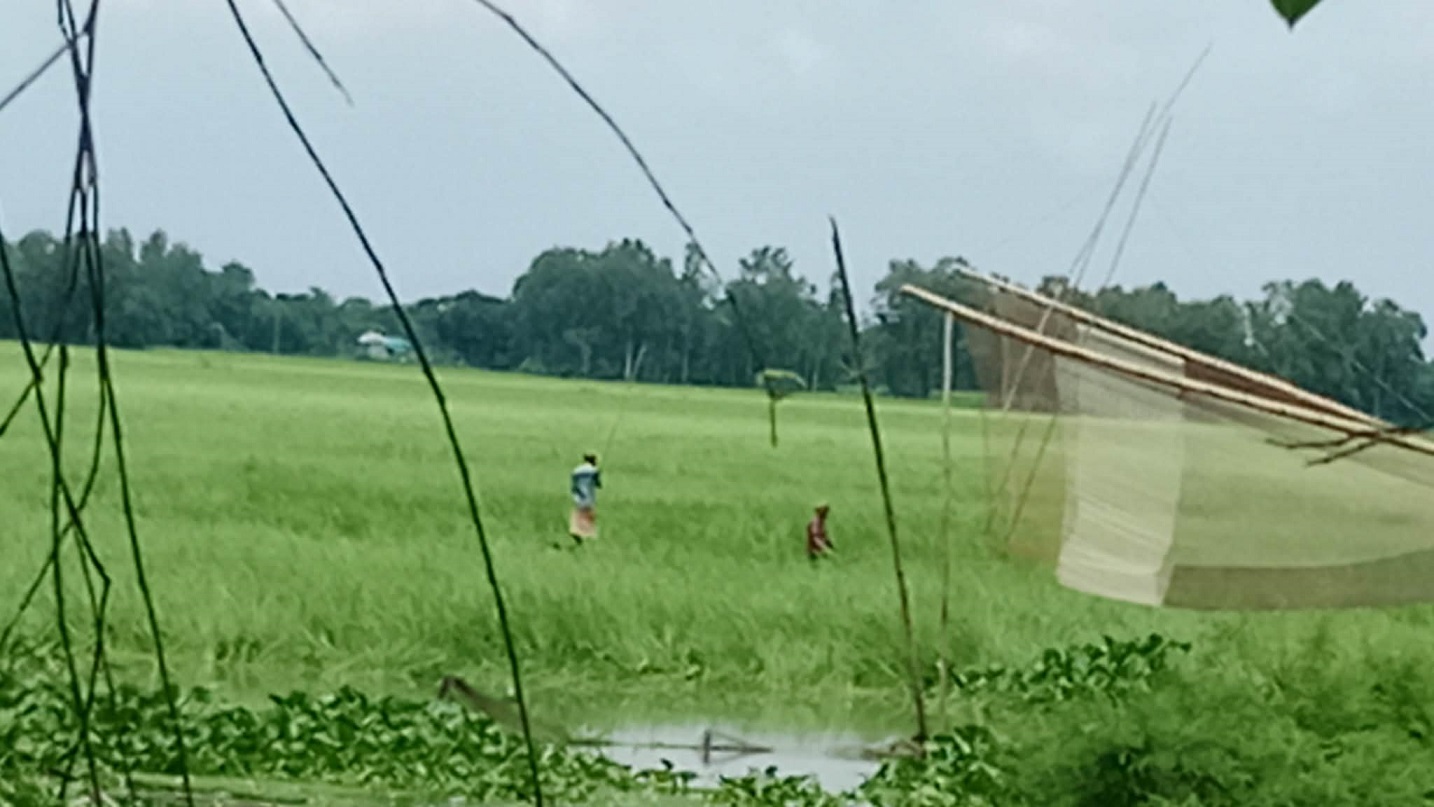
Farmers say Buna Aman helps to maintain soil health and supports aquatic biodiversity. Fish, aquatic plants, birds, insects and livestock thrive alongside rice cultivation. The rice is also used to prepare traditional foods such as puffed rice, flattened rice, pitha and payesh, linking the crop closely with local culture.
Farmers in Ghior, Manikganj Sadar and Harirampur have traditionally depended on wetlands such as Shulakarar, Bhatchhala, Diyarar, Kailaduhir, Kurir, Dharr, Shailkura and Adashari Beels. These wetlands once supported abundant native fish and seasonal boat and fishing activities. However, upstream dams and bridges have reduced water flow from the Padma and Jamuna, limiting water entry into the wetlands and contributing to a decline in Buna Aman cultivation and aquatic biodiversity.
Farmers continue to conserve local seeds and use organic inputs such as silt, cow dung, oilcake and decomposed water hyacinth. They say these practices reduce production costs and dependence on chemical fertilizers and pesticides.
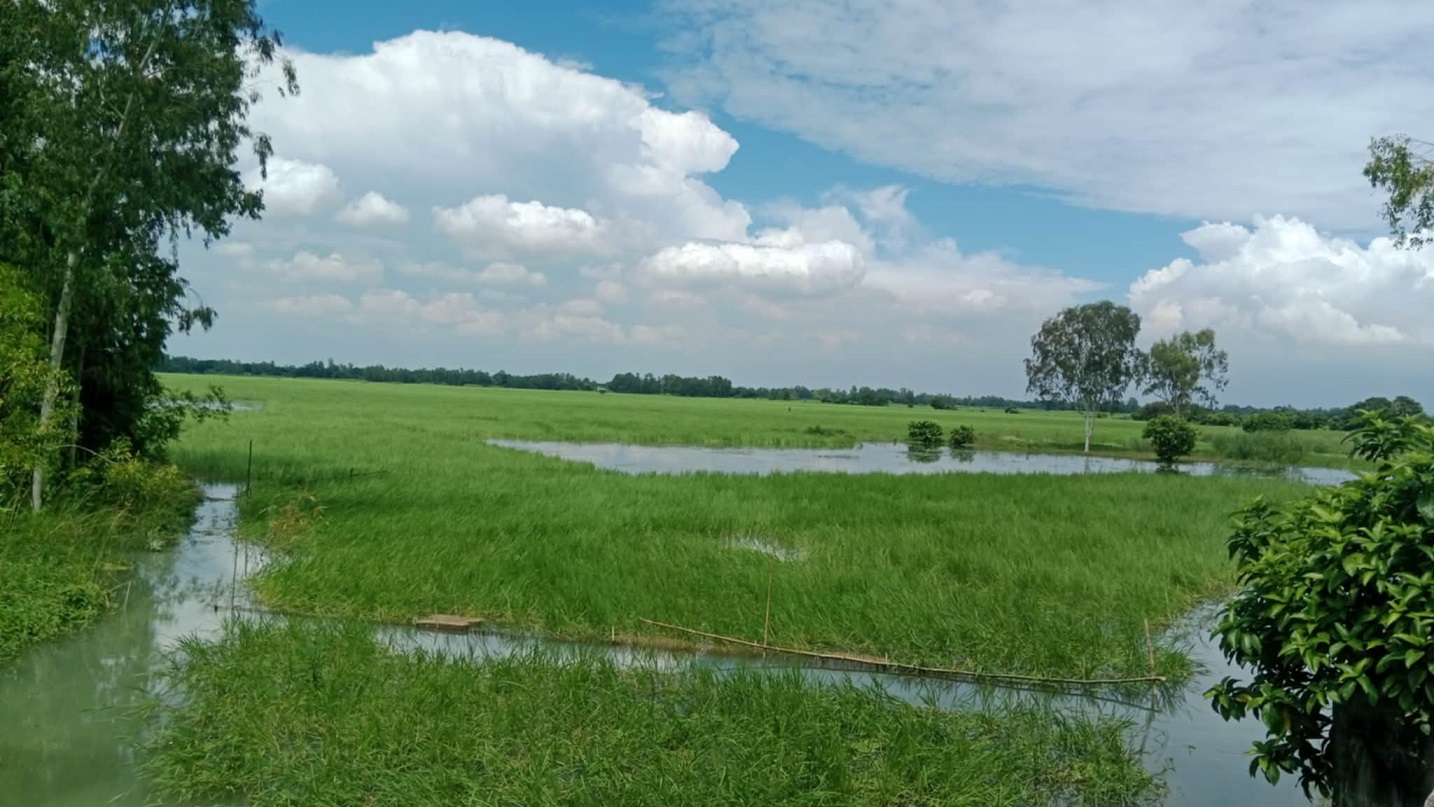
Paritosh and Subodh, elderly farmers from Begumnagar, said agroecological practices are helping to enrich their knowledge and sustain local farming traditions. Farmer Kanika Sarkar, 59, said that agriculture should remain compatible with soil, water and environmental health.
Parveen Akter, 39, of Helachia Agroecology, recalled that Buna Aman plants once grew 11–13 cubits high when monsoon water was abundant. She said reduced water levels now prevent the rice from reaching its former height. Farmers harvest the rice in Kartik–Agrahayan and celebrate the harvest through Nabanna. Around 7–8 maunds of rice are produced per 30 decimals of land.
Farmers believe that protecting wetlands and aquatic plants is essential for sustaining biodiversity, livelihoods and traditional agricultural knowledge.