
By A.B.M. Touhidul Alam from Dhaka
BARCIK organized Environmental Human Rights Week at high schools and colleges in Koyra, Paikgacha, In Khulna district, Assasuni and Shyamnagar in Sathira district to raise awareness among young people about the integral relationship between environmental human rights and human rights. The week-long initiative was organized under the “Environmental Human Rights for a Just Transition: Strengthened Local CSOs Transforming Climate Hotspots into Resilient Communities (ENGAGE)” project and co-funded by the European Union and NETZ-Bangladesh. A total of 28 events were planned, of which 21 have been completed, four are continuing and seven are scheduled for next month.
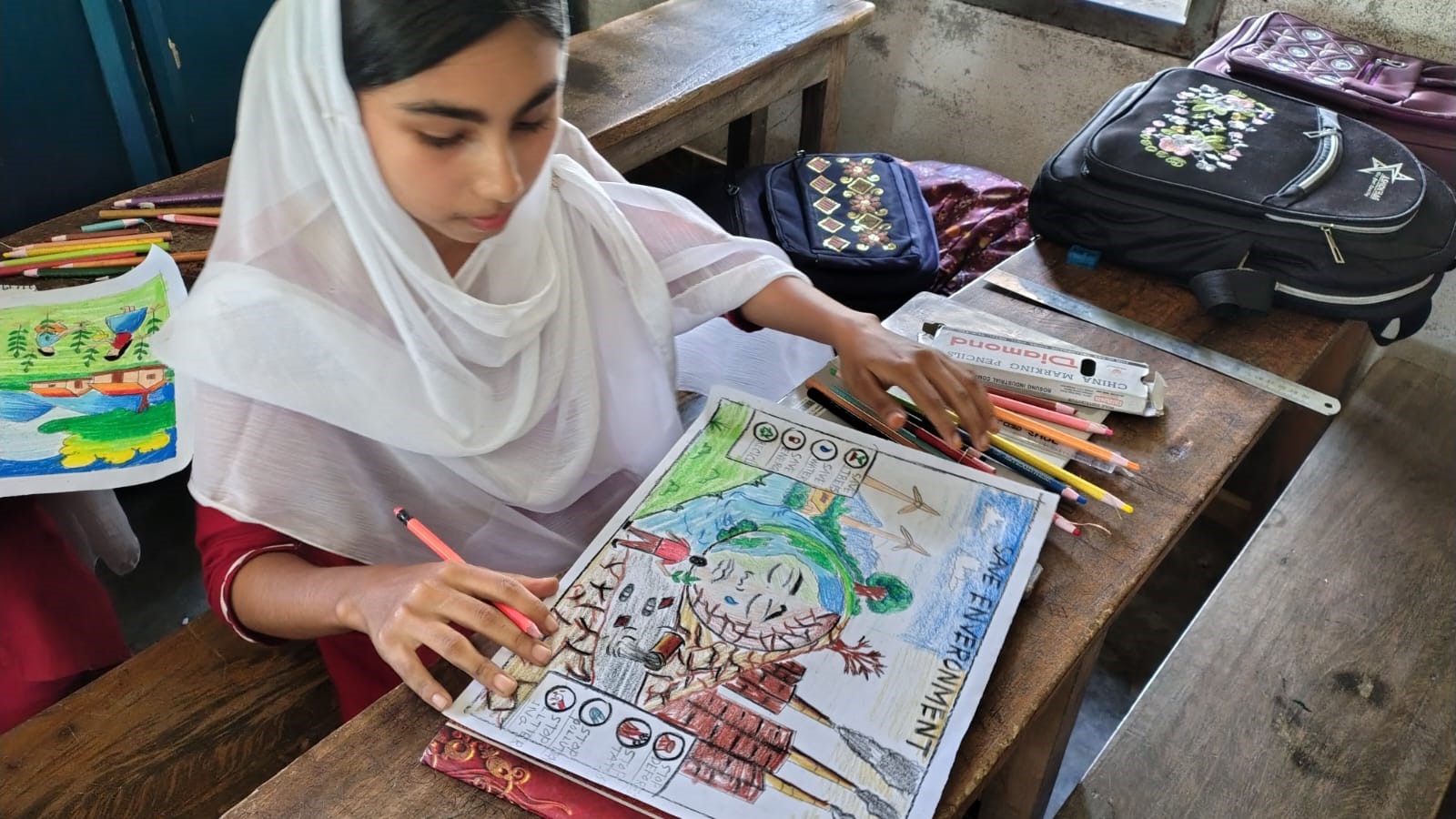
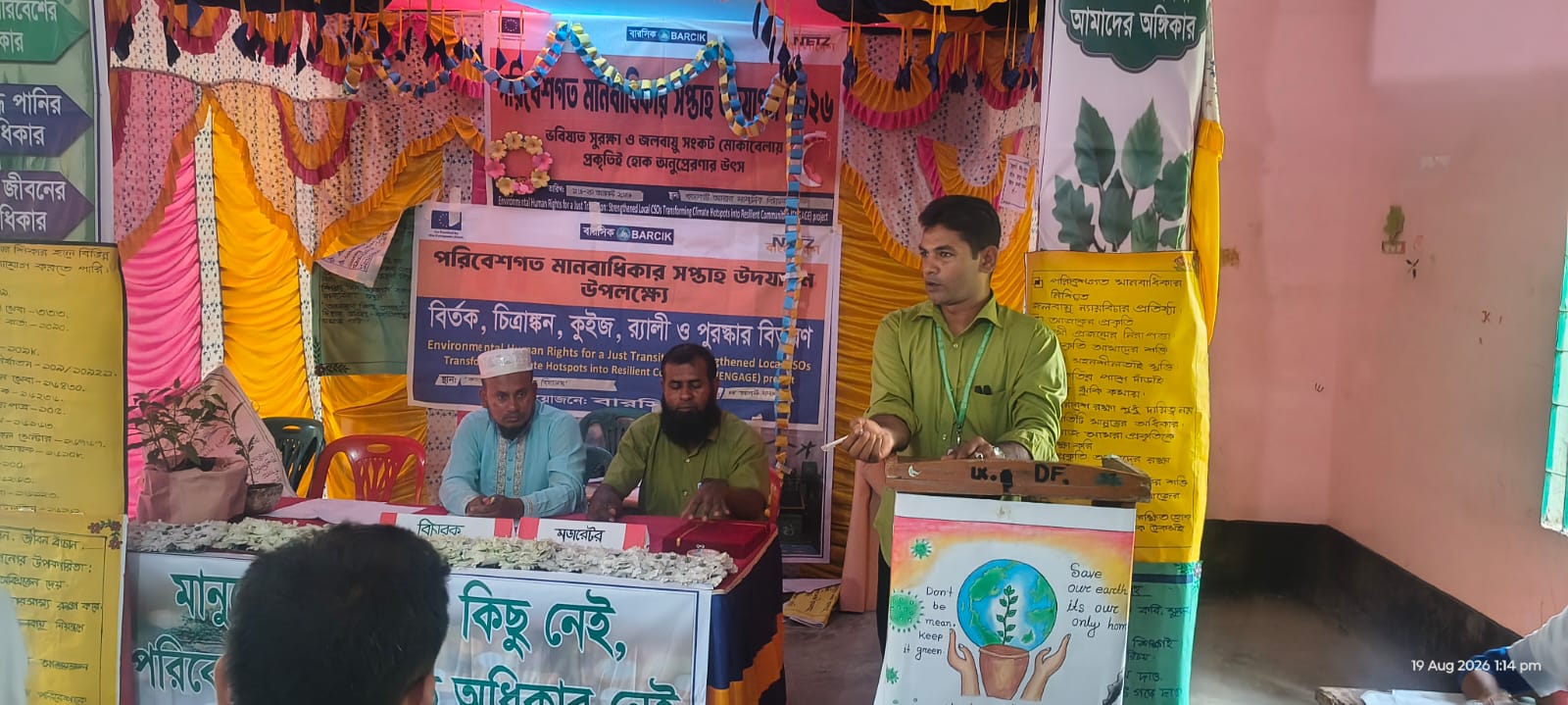
The initiative was designed to help students understand why a clean, healthy and safe environment is essential for enjoying fundamental human rights, including the rights to life, health, food, water, shelter and education. Throughout the week, students took part in a range of educational, creative, cultural and participatory activities. The program began with an inauguration ceremony attended by teachers, students, organizers and invited guests. Awareness stalls displayed posters, photographs and educational materials on climate change, environmental protection, human rights, disaster preparedness and sustainable practices.
The activities continued throughout the week with issue-based discussions on environment and human rights, where students explored how pollution, climate change, deforestation, fresh water scarcity and natural disasters can affect people’s fundamental rights. A debate competition was organized on the theme “The Role of Youth is the Most Important in Achieving Climate Justice.” Students presented arguments from different social, economic, environmental and human-rights perspectives. Drama performances also highlighted the impacts of environmental degradation, irresponsible use of natural resources and climate-related risks.
Students further expressed their ideas through drawing competitions on themes including “A Green Planet, a Safe Future” and “Our Environment, Our Rights.” A quiz competition covered climate change, disaster management, human rights, environmental conservation, environmental protection laws, sustainable development and environmental responsibility. The final day also featured an awareness rally in which students and teachers carried posters and placards and took a pledge to protect the environment and uphold human rights. Winners and outstanding participants of the debate, drawing and quiz competitions received prizes and certificates.
According to the school-wise participant data, the 21 completed events involved 1,487 boys and 1,508 girls, along with 303 teachers, representing participation from schools and colleges across the four upazilas. The activities helped increase students’ understanding of climate change, disaster management, climate justice, environmental conservation and human rights while creating opportunities to strengthen their creativity, communication, leadership, teamwork and critical-thinking skills.
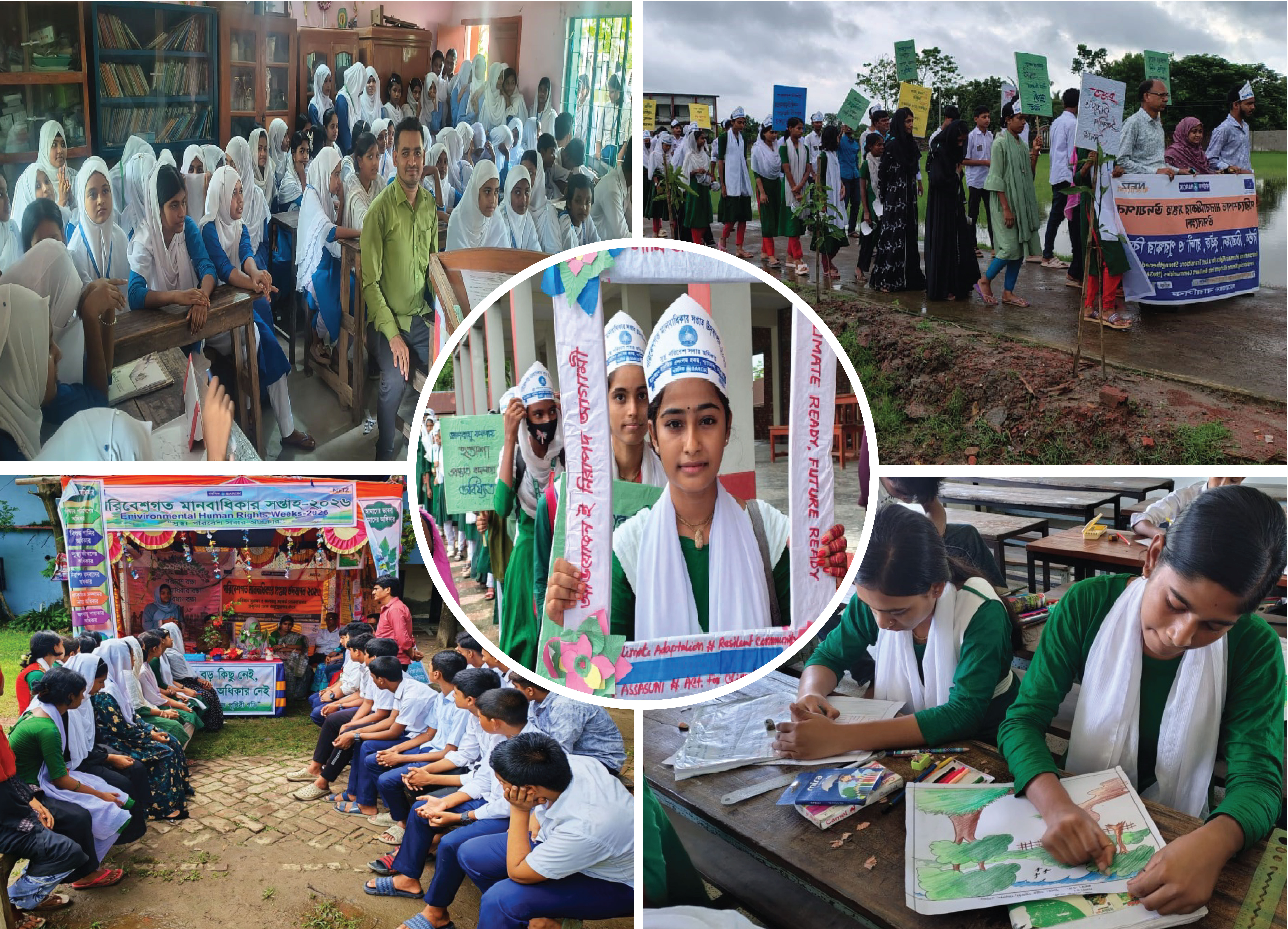
Speaking about the initiative, school and community representatives emphasized the importance of continuing such activities. They highlighted that today’s aware students can become tomorrow’s guardians of the environment and that young people need to carry environmental and human-rights messages from schools to their families and communities.
The Environmental Human Rights Week demonstrated that environmental protection is not only an ecological responsibility but also a human-rights responsibility. BARCIK hopes that the knowledge, confidence and sense of responsibility developed through these activities will encourage students to take practical action in their daily lives and inspire others around them. By nurturing environmentally conscious and rights-aware young people, schools and colleges can contribute to building a green, climate-resilient, safe and just future for all.