
By Shahinur Rahman, from Manikganj
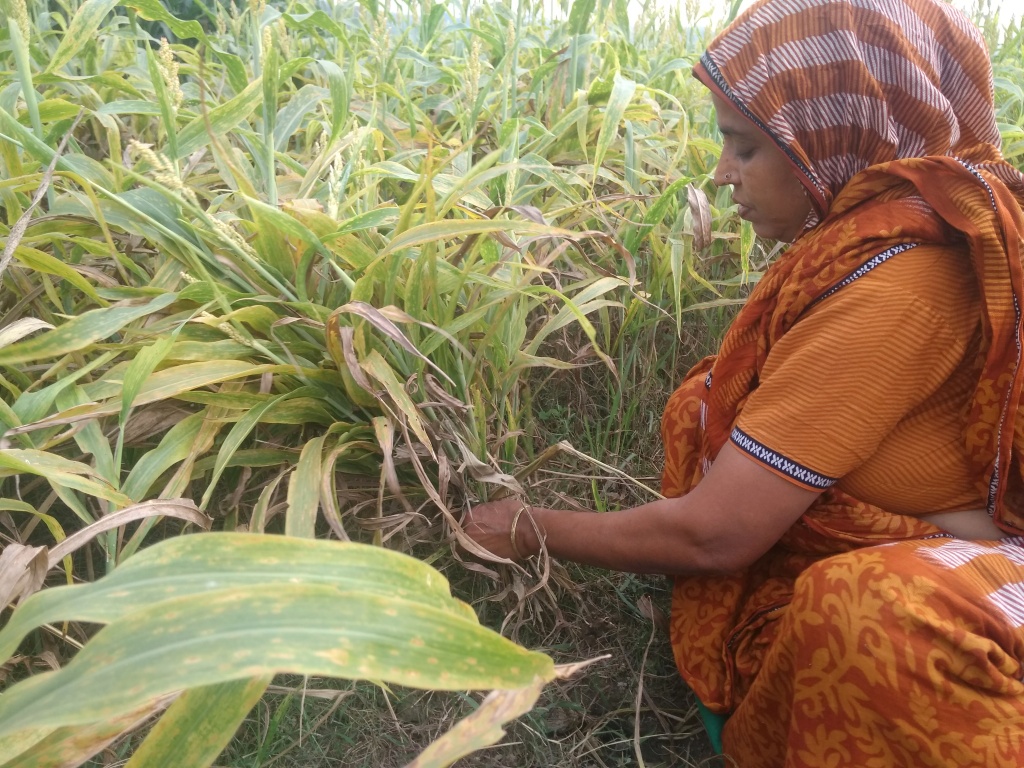
Life has never been easy for Selina Begum of Bangala village in Baldhara Union, Singair Upazila, Manikganj. Married at just 11, she could not continue her education. Despite marital disagreements and financial hardships, she gradually took responsibility for raising her children, managing the household and earning a livelihood. These experiences eventually inspired her to become self-reliant. Today, Selina is not only a woman farmer but also an active community organizer and elected representative. As a reserved woman member representing Wards 7, 8 and 9 of Baldhara Union Parishad, she works to address local people’s concerns. She has also formed a farmers’ organization involving women and men to promote sustainable agriculture, women’s rights and the prevention of child marriage.
Turning personal experiences into advocacy
Her experience of losing educational opportunities due to child marriage continues to motivate her. She believes education enables girls to make independent decisions, plan their futures and become self-reliant. Through community meetings and farmers’ organization activities, she raises awareness about the harmful consequences of child marriage. She encourages parents to ensure their daughters continue their education, express their opinions and marry only at an appropriate age. Whenever she learns about plans to marry off an underage girl, she approaches the family and discusses the consequences. She believes preventing child marriage requires collective efforts from families, neighbours, elected representatives and community organizations.
Economic independence
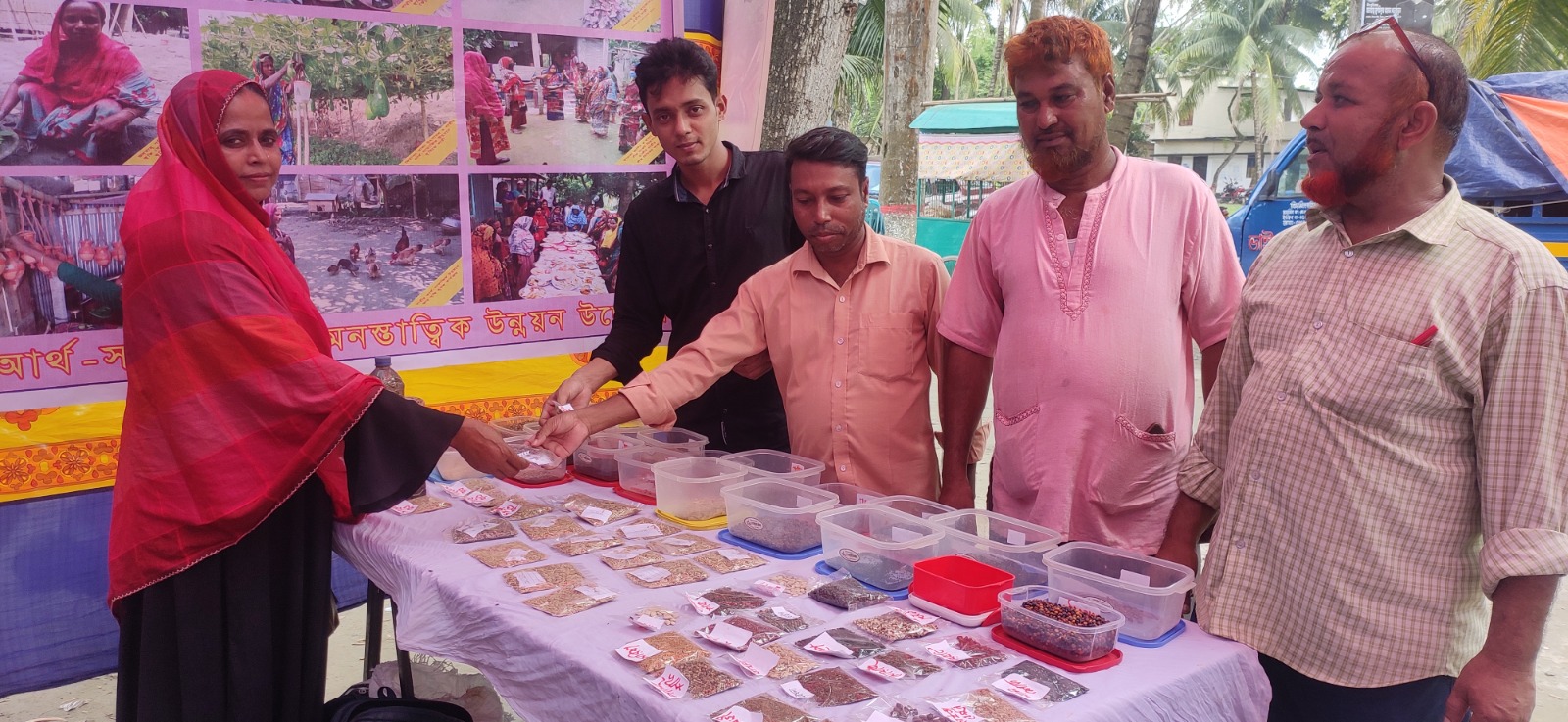
With limited financial support from her family, Selina had to create her own livelihood opportunities. Agriculture became her pathway to independence. After becoming involved with BARCIK, she received training on agroecology, vermicomposting, organic fertilizers, bio pesticides and government agricultural services. Initially, she cultivated around two bighas of land, harvesting approximately eight maunds of mustard in her first year. Later, she cultivated Boro rice, personally participating in every stage of farming, from land preparation to harvesting.
Instead of spending all her earnings on household expenses, she invested in livestock. She first purchased a cow for BDT 52,000, which gave birth to a calf within a year. Later, her mustard production increased to around 15 maunds. She sold the calf for BDT 34,000 and mustard for BDT 24,000. Combining the proceeds with her savings, she purchased another cow for BDT 58,000. By integrating crop cultivation with livestock rearing, she gradually expanded her income. According to Selina, her current monthly income from agriculture and related activities is approximately BDT 20,000.
Promoting agroecology and leadership
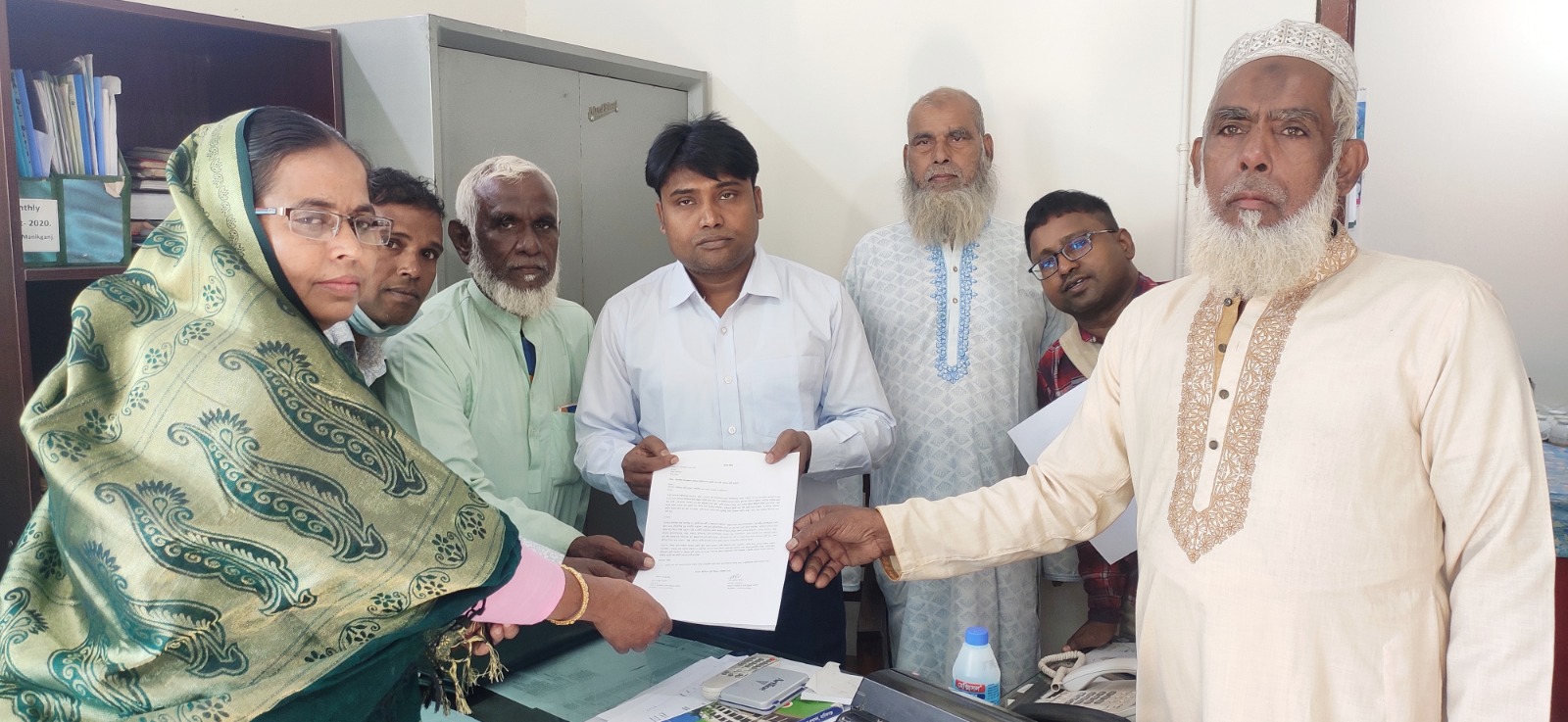
Selina views agroecology as more than crop production. She considers it an integrated system connecting food security, livelihoods, livestock, the environment and community well-being. She applies her knowledge of organic fertilizers, compost and bio pesticides in her fields and shares her experiences with other farmers. Through the farmers’ organization, she creates opportunities for women and men to discuss agricultural challenges, agroecology and social issues. Her efforts encourage knowledge sharing and agroecological practices. Selina’s commitment to helping others has earned her respect in the community. Local people approach her for assistance with land disputes, hospital services and communication with the Union Parishad. As an elected representative, she also listens to the concerns of women and adolescent girls and encourages them to speak up about their rights and needs.
Turning challenges into strengths
The most remarkable aspect of Selina’s journey is how she has transformed personal struggles into strengths. Child marriage interrupted her education but inspired her to advocate for girls’ education. Financial hardship led her to agriculture, which became the foundation of her economic independence and decision-making capacity. Selina wants women to speak for themselves, girls to continue their education and farmers to adopt environmentally friendly practices. She believes rural women have important roles not only in managing households but also in food production, natural resource conservation and social transformation.