
By Rukhsana Rumi, from Netrokona
History tells us that women played a pioneering role in the origins of agriculture. This tradition of understanding the soil, growing crops from seeds and conserving agricultural biodiversity continues to be upheld by rural women in Bangladesh. From preparing land and planting seeds to preserving and exchanging them, women have made invaluable contributions to agriculture. Kajol Akter (35), a woman farmer from Mouzebali village in Kailati Union of Netrokona Sadar Upazila, is an inspiring example. Kajol lives with her husband and daughter. Her family owns only 40 decimals of land, including their homestead. However, limited land has never discouraged her. By leasing additional land, she cultivates rice, vegetables and other crops, demonstrating determination and entrepreneurial spirit. Like many rural women, Kajol initially depended on conventional farming methods, using chemical fertilizers and commercially available hybrid seeds. However, her involvement with BARCIK and its regular training and guidance transformed her agricultural practices. She learned to produce environment friendly organic fertilizer using earthworms and water hyacinth. She also gained practical experience in improved compost-making techniques by visiting Kobita Agroecology Learning Centre in Kandapara, Atpara Upazila. Kajol has become an enthusiastic collector and conserver of local seeds. She displayed nearly 10 varieties of rice, vegetables and other crops, including seven local chilli varieties, at a seed fair in Kailati Union. BARCIK’s support helped her move beyond conventional farming practices. Her ability to grow pesticide-free crops and conserve seeds has significantly strengthened her confidence.
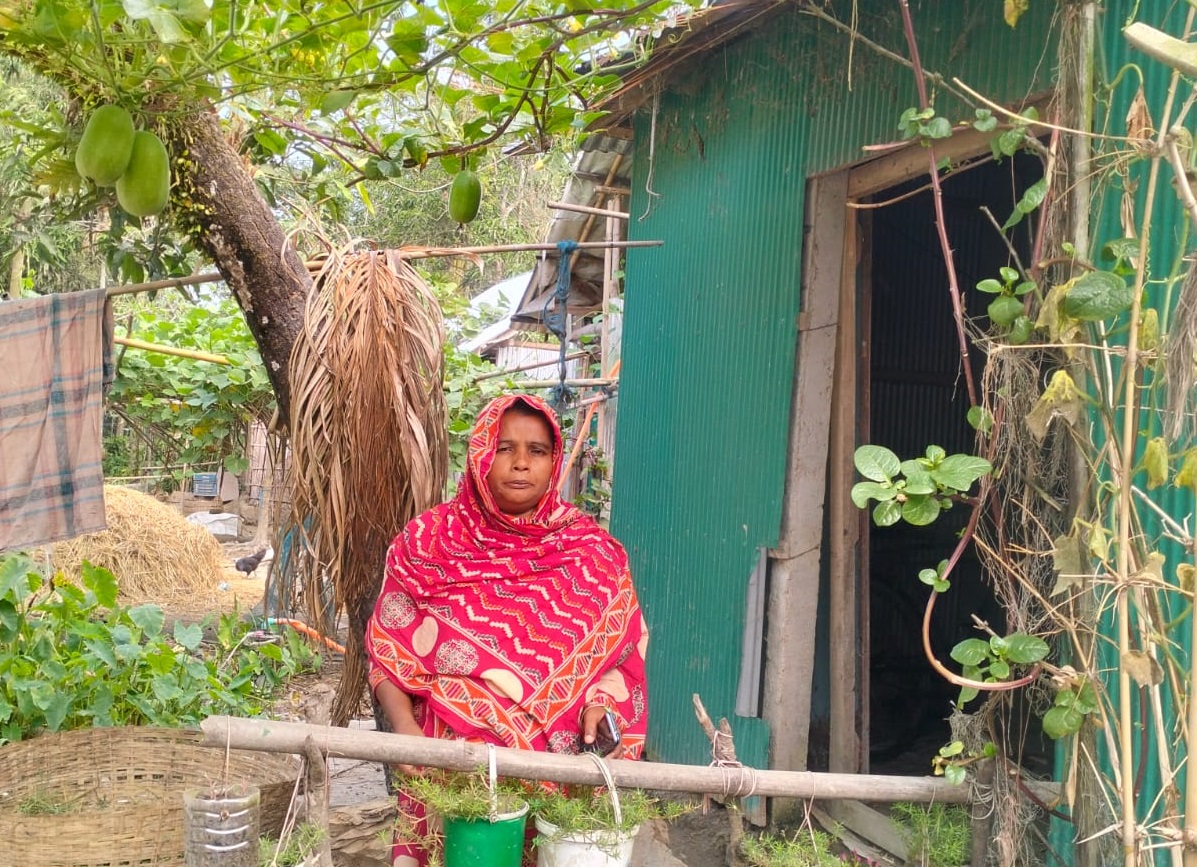
Agroecology for nutrition and economic well-being
Agroecological farming has brought a new chapter of nutritional and economic well-being to Kajol’s family. Every season, she grows pesticide-free vegetables to meet her family’s nutritional needs and shares surplus produce with neighbours. During the current season, she earned approximately BDT 45,000 by selling bottle gourds, red amaranth, beans, okra, sweet pumpkins, chillies and coriander leaves. Her production costs have decreased because she no longer needs to spend extra money on chemical fertilizers and commercial seeds. With a regular supply of safe food from her own garden, her family’s dependence on market purchases has also declined. Previously, Kajol depended on male family members or the market for decisions about farming and seed selection. Today, she independently decides which crops to cultivate, which land to lease and which seeds to preserve. She has also taken the initiative to distribute seeds of important local varieties, including bottle gourd, beans, black gram, peas, sweet pumpkin, cucumber, black pepper and Mukta rice, across approximately 13 villages, including Mouzebali and neighbouring communities. Her initiative to revive and distribute disappearing local seeds while encouraging other women to cultivate vegetables and preserve seeds demonstrates her growing leadership. Her decision to deposit BDT 100,000 in a bank account for her daughter’s future security further reflects her influence in family financial decisions.
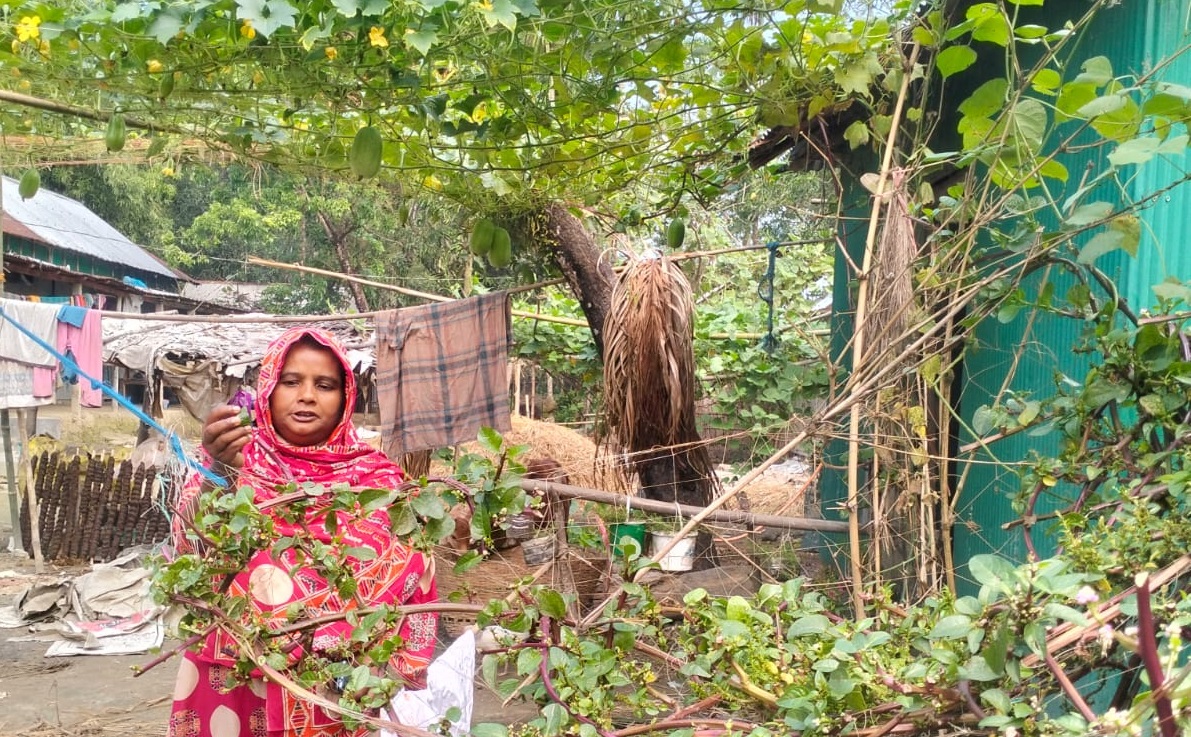
Recognition of women’s work and leadership
Initially, Kajol’s contributions to farming and cottage industries received little recognition from her family. Today, however, her agricultural labor, knowledge and financial contributions are highly respected by her husband and other family members. She also leads cottage industry activities, including nakshi kantha embroidery and bamboo and cane crafts. Her family now actively supports her work and shares responsibilities in poultry rearing and fish preservation. Through her knowledge and practical experience in agroecology, Kajol has become a successful and respected farmer in her locality. Farmers from Mouzebali and neighbouring villages regularly visit her to collect seeds and learn about pesticide-free vegetable cultivation and organic fertilizer production. Her experience is highly valued, and she is increasingly invited to participate in local social events and discussions. At the beginning of each agricultural season, Kajol organizes discussions with women farmers on land preparation, seed sowing, crop management and seed conservation. Through seed fairs, where she has displayed up to 90 varieties of seeds, and by guiding other women, she has emerged as a promoter of women’s leadership and collective initiatives. Inspired by her work, local women such as Jahanara, Diljura and Jamela say, “Since we started conserving seeds following Kajol’s advice, we no longer need to buy seeds from the market. We now have everything at home.” Despite limited land and initial capital, Kajol has sustained and expanded her farming activities by leasing additional land. Her ability to overcome challenges demonstrates her resourcefulness and resilience. During disasters and seasonal difficulties, she uses her experience and locally available resources, such as water hyacinth and vermicompost, to find practical solutions. She has also gained the confidence to continue her cottage industry, fish preservation and poultry-rearing activities through her own initiative.
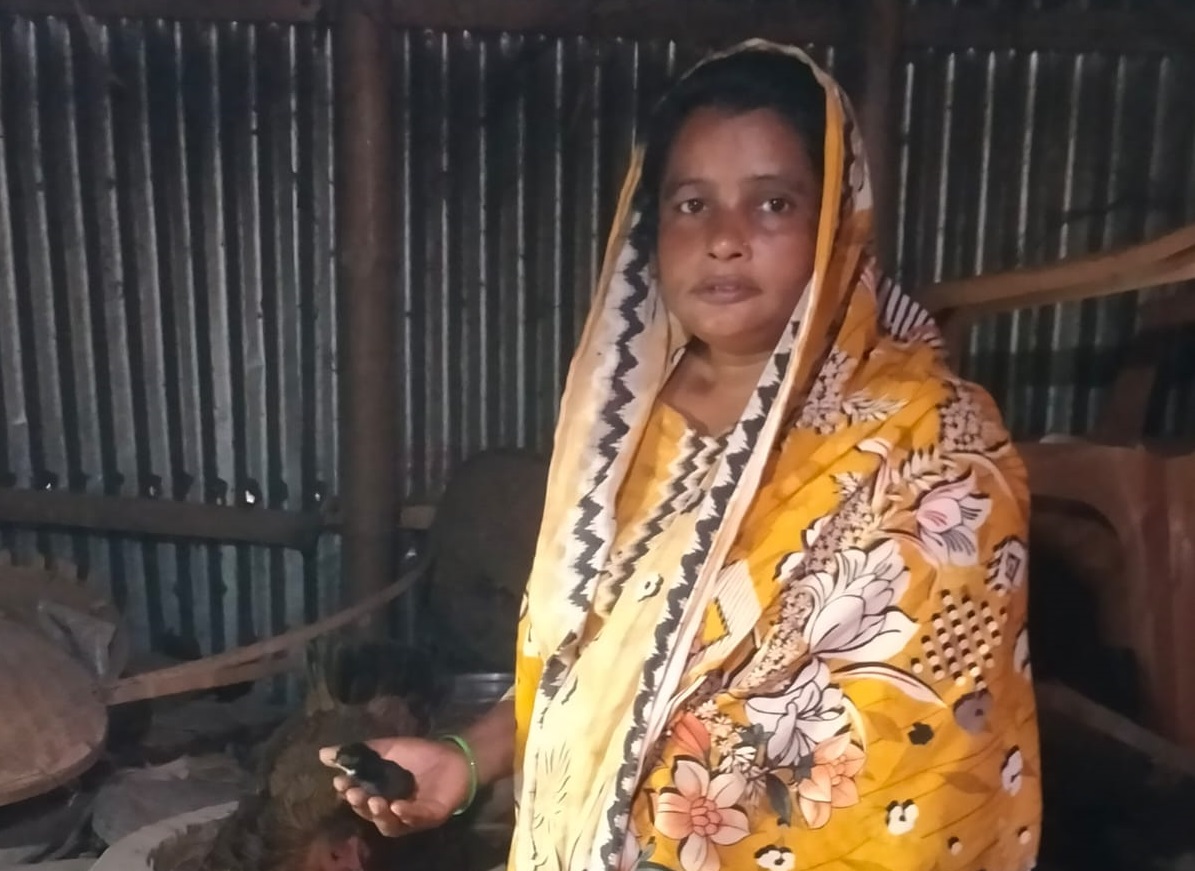
Self-reliance and aspiration
BARCIK’s continuous guidance and Kajol’s determination have been the main driving forces behind this transformation. Although limited access to land and social barriers initially created challenges, family support and growing recognition of her contributions have helped her overcome them. Kajol dreams of conserving hundreds of disappearing indigenous seed varieties and leaving behind a pesticide-free, sustainable agricultural society for future generations of women. Her success in agroecological practices and seed conservation has strengthened her self-confidence and enhanced her status within her family and community. Her economic contributions and personal savings have also increased her influence in household decisions. Through her seed conservation initiatives, participation in seed fairs and regular discussions with women farmers, Kajol continues to demonstrate the importance of women’s knowledge and leadership in agriculture. Protecting indigenous seeds and building a sustainable agricultural foundation through agroecology for future generations remain central to her aspirations.